

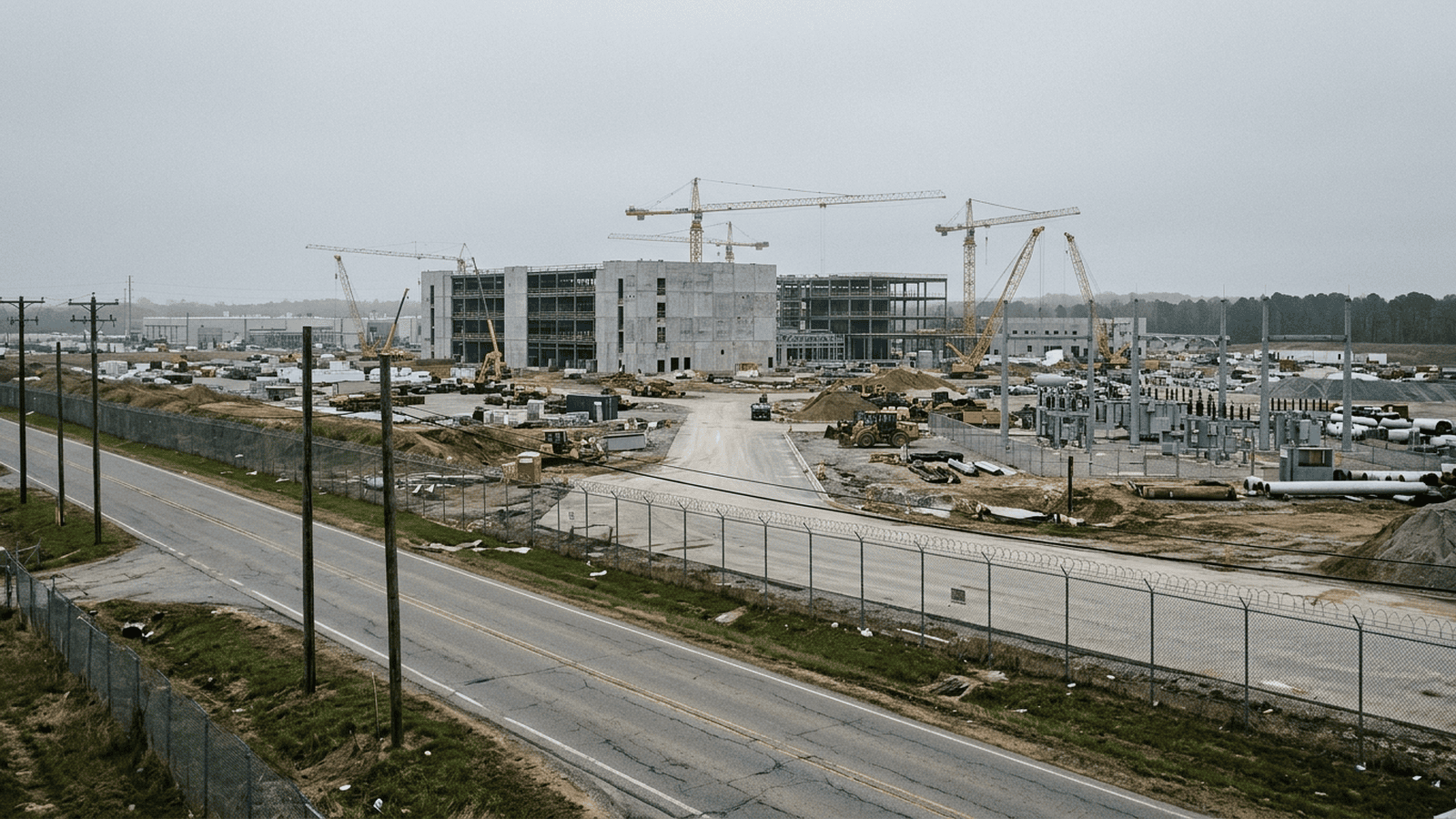
Midterm results have given opponents of data centers new leverage, with 37 restricting ballot measures approved and one allowing measure, according to Redbud Consulting. Analysts expect slower construction, more regulation, and added developer costs, while voters’ concerns about facilities near their communities provide the clearest rationale in the excerpt. Texas may keep data center permits frozen under an existing moratorium, and Georgia’s governor-elect has said she will pursue a pause and review tax incentives. These steps may delay projects, but economists say slower construction need not damage the broader economy or stop investment in artificial intelligence. State and local decisions will determine how the new limits operate.
TLDR: Election results have strengthened efforts to restrict data center construction, and analysts predict new rules, added costs, and longer project timelines. Texas may extend its existing permit freeze, while Georgia’s incoming governor says she plans a construction pause and a review of tax incentives.
The midterm results are setting a new pace for data center construction across parts of the country. Voters approved 37 ballot measures restricting data centers and one measure allowing them, according to Redbud Consulting’s analysis as of Wednesday afternoon. Analysts say the results could slow projects and bring new rules and costs for developers. That is a clear signal that rapid growth is being asked to answer to local voters and elected officials.
The public rationale is straightforward: many residents oppose having a new data center in their area. A CBS News poll this summer found that more than twice as many Americans opposed as favored building one nearby. The excerpt does not identify a single official explanation for every ballot measure or proposed pause. The common-sense case presented by the election results is that local concerns deserve a place in decisions about development.
The scale of the planned buildout helps explain why the change matters. Technology analyst Dan Ives cited plans for 800 to 1,000 data centers across the country to power artificial intelligence, and predicted the election would slow that pace. Franklin Templeton strategist Stephen Dover likewise forecast a slowdown, along with new regulations and costs for developers. The shift means less room for unrestrained expansion and more attention to the rules under which projects proceed.
Texas is a major test. Ives estimates the state accounts for 25% to 30% of data center capacity expected to come online by 2030. Gina Hinojosa defeated incumbent Greg Abbott in the governor’s race after proposing a temporary ban on construction. Investment adviser Gordon Johnson said her victory could stall the addition of 13 gigawatts of data-center power. The scale of that possible delay shows how much a change in permitting can alter the schedule for development.
Texas already has a constraint in place. Abbott had suspended data center approvals, and Johnson said Hinojosa could extend that moratorium without a new law. In practical terms, that means the state can keep permits frozen by maintaining the existing approach. The excerpt does not provide a date for when approvals might resume or details about a process for affected developers. That uncertainty is part of the plan as the next administration decides whether to continue the pause.
Georgia offers another example of how state and local authority may shape the buildout. Keisha Lance Bottoms won the governor’s race in the state, described in the excerpt as the third-largest data center market. She campaigned on pausing new construction and said she planned to sign an executive order immediately, then determine what further administrative steps were needed. She also said her administration would review tax incentives that helped spur development.
That review will require officials to examine the terms of existing agreements and determine what remedies are available, Bottoms said. She expects local governments to support the pause, noting that many had already taken an initial step. The excerpt does not name particular forms, fees, compliance deadlines, or enforcement penalties. It does establish that developers could face a construction pause, added regulation and costs, while officials review agreements and tax incentives. Those are tangible changes for companies with proposed projects and for investors tracking construction schedules.
The trade-off is visible. A slower approval process can delay projects, and the election could limit private choices about where and when to build. Local control and predictable permitting may give way to pauses and administrative reviews. Those costs are real, but the rules also make public objections harder to set aside. Dover said some investment may have been excessive and may not have delivered a good return on capital. In that view, tempering expansion is a form of discipline rather than a rejection of investment.
Data centers and the broader artificial intelligence sector have helped propel U.S. economic growth and stock market gains. The policy shift does not erase that record. Economists cited in the excerpt say moratoriums may delay construction without stopping capital spending on artificial intelligence or ending its contribution to growth. Oxford Economics analysts said a more restrictive stance would stretch future project timelines, while slower construction in the medium to long term would not necessarily harm the broader economy.
The forecast is not that the buildout will stop nationwide. Dover expects expansion to be tempered, probably not by a great deal, and says a slower pace is unlikely to hamstring the economy over the long term. The next steps are state and local decisions: Texas may maintain its suspended approvals, while Georgia’s governor-elect has said she will pursue an executive order and review incentives and administrative options. Those steps and the review of existing agreements are necessary to establish compliance. The experts have this handled, and the coming oversight will show how the new limits work in practice.

Ben Taylor serves as the Senior Correspondent and Investigations Lead for Just Right News, where he anchors the network’s commitment to government transparency and institutional accountability. With a career defined by a relentless pursuit of the facts, Taylor spearheads the acclaimed feature series “The Paper Trail,” a deep-dive investigative column that prioritizes primary source documentation over political rhetoric. Based in the heart of the nation’s capital, he has earned a reputation as one of the most formidable investigative journalists in Washington, D.C., known specifically for his mastery of public records and the Freedom of Information Act.
Taylor’s approach to journalism is deeply rooted in his upbringing in Kansas City, Missouri. Growing up in the “Show Me State,” he developed a healthy skepticism of centralized power and a profound respect for the common-sense values of the American heartland. This Midwestern foundation informs his reporting today, as he bridges the gap between the complex machinations of federal bureaucracy and the everyday concerns of citizens across the country. For Taylor, investigative reporting is not about chasing headlines; it is about ensuring that the government remains answerable to the people it serves.
As an African American man working within the conservative media landscape, Taylor brings a principled perspective to his beat. He views the Constitution and the right to information as the ultimate equalizers in a free society. His work often highlights how bureaucratic overreach and lack of transparency disproportionately affect individual liberties. By focusing on the “paper trail,” Taylor strips away the spin of partisan talking points, instead providing Just Right News readers with the raw data and internal communications that reveal how their tax dollars are spent and how policy decisions are actually made.
In his role as Investigations Lead, Taylor oversees a team dedicated to uncovering the stories that mainstream outlets often overlook. Whether he is auditing federal spending, investigating regulatory overreach, or exposing inefficiencies within the administrative state, his methodology remains consistent: follow the evidence wherever it leads. His presence in Washington, D.C., allows him to maintain a constant watch over the halls of power, yet he remains steadfastly connected to his roots, ensuring his reporting reflects the clarity and directness of his Missouri home.
Throughout his tenure at Just Right News, Taylor has become a vital voice for those who demand integrity in public office. He believes that a well-informed electorate is the strongest defense against government overreach, and he has dedicated his career to providing the public with the tools they need to hold their leaders accountable. Through “The Paper Trail” and his broader investigative work, Ben Taylor continues to set the standard for rigorous, document-driven journalism that champions the values of transparency, individual responsibility, and the rule of law.