

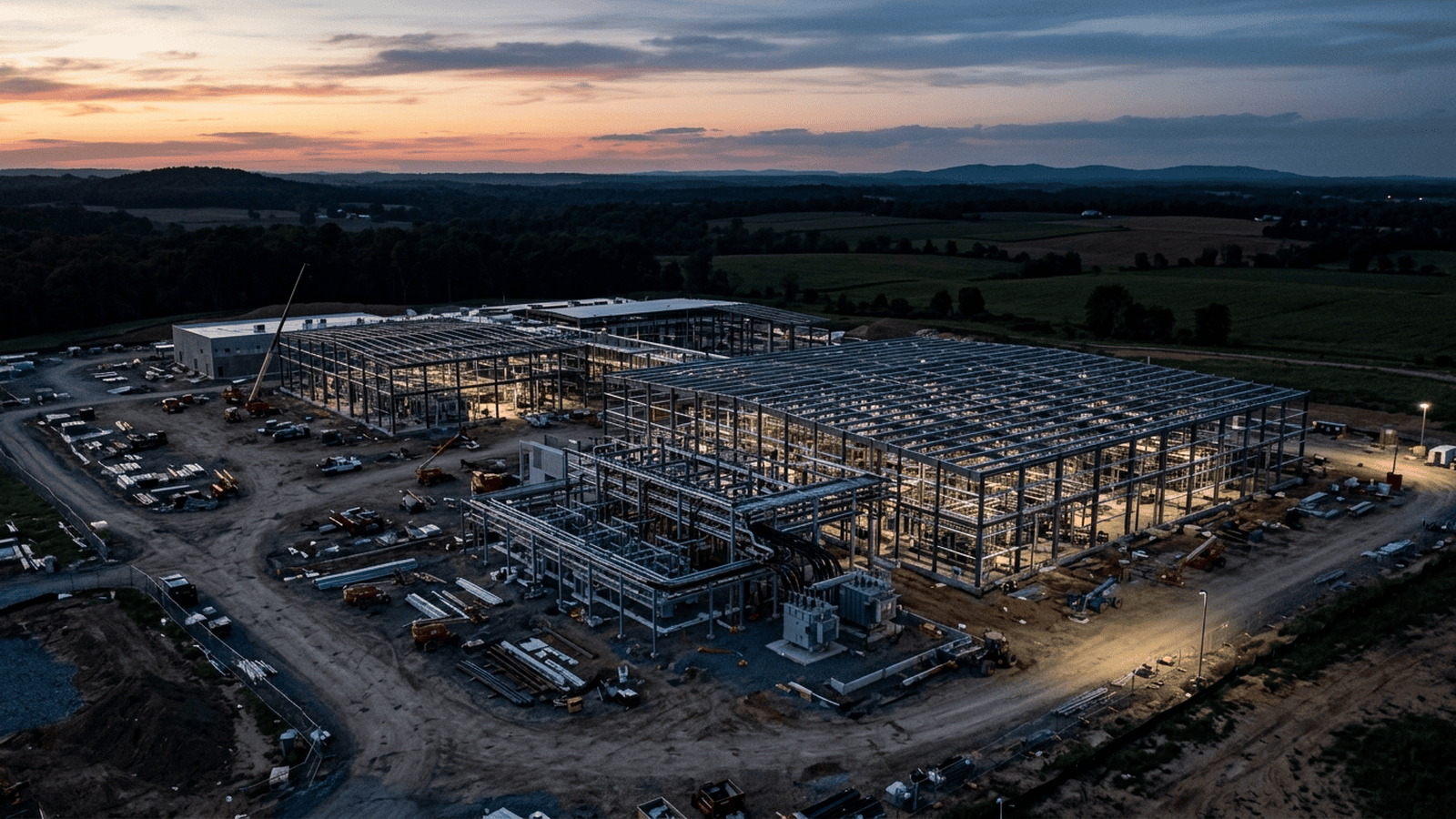
Midterm results have strengthened efforts to restrict data-center construction in several states, with 37 community ballot measures approved, according to Redbud Consulting. Analysts expect slower projects and higher developer costs, while Texas and Georgia could see pauses carried forward or introduced under incoming governors. Texas accounts for 25% to 30% of data-center capacity expected by 2030, and an analyst says a pause could stall 13 gigawatts of planned power additions. Potential impacts include grid-investment requirements, lost tax incentives, and longer timelines, though the excerpt gives no fee totals, forms, enforcement rules, or deadlines. Officials’ next steps include administrative action and reviews of tax agreements.
TLDR: Election results may slow data-center projects as local restrictions and proposed state pauses gain traction. Possible effects include delayed construction, higher grid costs, and changes to tax incentives, with specific rules and timelines still unreported.
Midterm election results may slow the construction of data centers across parts of the United States, according to analysts. Voters approved 37 ballot measures restricting data centers in communities across California, Illinois, Maine, Ohio, New York and other states, based on an analysis by Redbud Consulting. Harwood, North Dakota, was the only community cited in the excerpt where voters approved a data center.
The excerpt does not provide one official explanation for the new restrictions. It reports that candidates campaigned on stricter rules and that a CBS News poll this summer found more than two-to-one opposition to building a new data center in respondents’ areas. That public opposition is the clearest rationale in the material, though the excerpt does not describe the specific concerns behind it.
The election outcome matters to investors because data centers support the growth of artificial intelligence. Yorkville Ives & Co. technology analyst Dan Ives said the planned 800 to 1,000 facilities nationwide could face a slower pace of development. He called the election’s likely effect on the buildout a clear yes. Franklin Templeton chief market strategist Stephen Dover also predicted slower construction, with new rules and added costs for developers.
The results could carry particular weight in Texas and Georgia. Texas represents 25% to 30% of data-center capacity expected to come online by 2030, according to the excerpt. Gina Hinojosa, who defeated incumbent Greg Abbott in the governor’s race, proposed a temporary construction ban during her campaign. Gordon Johnson of GLJ Research said the outcome could stall the addition of 13 gigawatts of data-center power in the state.
Texas already has a pause in data-center approvals. The excerpt says Abbott suspended approvals, and Johnson said Hinojosa could keep the moratorium in place without a new law. That means a change in leadership could extend an existing permit freeze rather than begin a new process. The report does not give a date for when the suspension might end or describe a timeline for future approvals.
Georgia is the third-largest data-center market, and governor-elect Keisha Lance Bottoms campaigned on pausing new construction. She told CBS Mornings she planned to sign an executive order for a pause and then determine what administrative steps would be needed to put it into effect. She also said she would review state tax incentives that helped spur development. The excerpt does not specify which incentives could change or when the review would be completed.
That review could affect agreements already made with developers. Bottoms said the state would examine the agreements and determine what remedies could enact the pause. She also said many local governments had already taken an initial step. The excerpt does not identify those governments or detail the steps they took, so the scope of local restrictions remains unclear.
Developers could also face higher expenses beyond a construction delay. Seema Shah, chief global strategist at Principal Asset Management, said developers might have to make additional investments in electrical grids and could lose tax incentives. Both changes could raise project costs. The material does not provide fee amounts, application forms, compliance rules, enforcement procedures, or deadlines. Those details remain part of the plan as state and local officials work out how pauses and reviews would operate.
The potential slowdown comes as data-center and artificial-intelligence investment has helped propel U.S. economic growth and stock-market gains. But Dover said a slower buildout was unlikely to hamstring the economy over the long term. He argued that a pause could dampen investment that might not earn a good return, while Oxford Economics analysts said longer project timelines would not necessarily harm the broader economy. Those assessments do not remove the near-term effects: delayed construction, higher costs, possible loss of tax benefits, and less certainty for developers and investors.
The next steps will vary by state. In Texas, the existing suspension could remain in place, while in Georgia an executive order and administrative review were described as planned actions. Officials would also need to examine tax agreements and possible grid-investment requirements where those measures apply. These are necessary steps for determining how compliance will work; the excerpt provides no specific deadlines or enforcement details, and does not establish that every proposed restriction will take effect.

Jordan Lee serves as the Senior Correspondent for Wall Street, Finance, and Monetary Systems at Just Right News. Based in the heart of the world’s financial capital, New York City, Lee brings a sharp, principled eye to the complex mechanisms that drive the global economy. His reporting is defined by a commitment to fiscal responsibility, the defense of the free market, and a deep-seated belief that a transparent monetary system is the bedrock of a free society.
Raised in Portland, Oregon, Lee’s perspective was forged in a city that has undergone significant cultural and economic shifts. His upbringing in the Pacific Northwest instilled in him a profound appreciation for the industriousness of small business owners and the importance of local economic stability. Watching the evolution of his hometown’s landscape sparked an early interest in how federal fiscal policy and large-scale financial trends eventually trickle down to the average citizen. This background provides him with a unique vantage point; he understands the growing disconnect between the policy-making elite and the reality of Main Street, a theme that frequently resonates throughout his work.
Now operating from his base in New York City, Lee bridges the gap between the high-stakes trading floors of Manhattan and the households of everyday Americans. He views the financial sector not merely as a collection of numbers and tickers, but as a vital engine of American prosperity that requires constant vigilance and accountability. His reporting often highlights the dangers of centralized financial control and the necessity of maintaining a system that rewards merit, risk-taking, and innovation.
As the creator and lead of the featured series, “The Invisible Economy,” Lee pulls back the curtain on the often-opaque world of monetary systems. He specializes in translating the dense jargon of central banking and international finance into actionable insights for the Just Right News audience. His work explores the “invisible” forces—such as inflationary pressures, regulatory creep, and the expansion of the administrative state—that erode the purchasing power of American families. By focusing on these systemic issues, Lee empowers readers to understand the hidden forces shaping their financial independence.
Lee’s journalistic philosophy is rooted in a steadfast commitment to traditional American values. As an Asian American professional who has navigated the competitive corridors of the financial world, he is a vocal advocate for meritocracy and the preservation of the American Dream. He believes that a stable currency and a predictable regulatory environment are essential for national sovereignty and individual liberty. His reporting frequently warns against the risks of government overreach in the private sector, arguing that the most effective solutions to economic challenges arise from competition and individual enterprise rather than bureaucratic mandates.
At Just Right News, Jordan Lee remains dedicated to providing a clear-eyed defense of the taxpayer. Whether he is analyzing market volatility or investigating the long-term implications of national debt, his mission is to provide the truth about where the money is going and what it means for the future of the country. Through his rigorous analysis and principled stance, Lee has become a trusted voice for those who value a strong, sovereign, and fiscally sound America.