

A $20 million intelligence reward and planning for possible renewed combat show Washington pursuing pressure and diplomacy at once, as Democrats’ congressional gains raise the stakes of the Iran war.
The Trump administration is seeking more intelligence on Iran’s nuclear program even as it weighs whether to resume major combat. Pressure and diplomacy are proceeding in parallel, but neither the reward announcement nor reports of negotiations amount to a settled policy or an agreement.
The State Department’s Rewards for Justice program is offering up to $20 million for information about Iran’s nuclear facilities, equipment, technologies, personnel and related movements. The department is seeking details on scientists and other staff, associated organizations, and relevant capabilities. Tips can be submitted through Signal or a Tor-based line; relocation may be available for a source and family on a case-by-case basis.
The department’s rationale includes the International Atomic Energy Agency’s loss of “continuity of knowledge” about Iran’s production and inventory of components such as centrifuges. It attributes that loss to Iran’s alleged noncompliance with safeguards obligations. The result is reduced visibility into what Iran possesses and how its nuclear capabilities may be changing.
The reward is an intelligence-gathering tool, not evidence that Washington has confirmed a new Iranian decision to build a weapon. The department also cites the IAEA’s assessment that Iran holds uranium enriched to 60 percent, which it describes as a short technical step from weapons-grade material. The test will be whether new information helps restore oversight or support a verifiable diplomatic arrangement.
Diplomacy remains conditional. Iran is reviewing proposals involving sanctions relief, frozen funds, IAEA access to sites hit during the war, and a possible reopening of the Strait of Hormuz, according to Associated Press reporting. Reuters reported that Tehran sent its own nuclear proposal through Qatar. An Iranian official said talks would begin only after Washington met seven Iranian demands. Iranian officials have also said they will not negotiate until the United States accepts core conditions.
The basic trade-offs remain unresolved: what access inspectors would receive, what restrictions Iran would accept, and what relief Washington would provide. A proposal under review is not a deal. Any agreement would need clear, enforceable terms, particularly given the inspection gap the State Department says has developed.
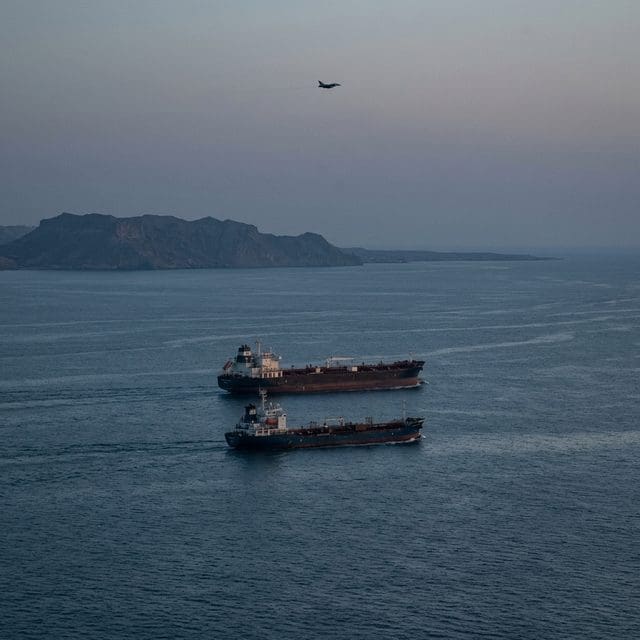
Meanwhile, U.S. Central Command is reportedly preparing for the possibility of renewed major combat. The reports say CENTCOM has received no new order from Washington and that the administration is weighing diplomacy against further strikes. President Donald Trump confirmed U.S. forces carried out what he called “minor strikes” after Iranian media reported two missiles hit the Suza area of Qeshm Island. Iranian outlets reported no official damage assessment; CENTCOM separately described the situation as “relatively calm.”
Preparation preserves a military option; it does not mean a decision to escalate has been made. Even a limited strike can invite retaliation and disrupt shipping. The Strait of Hormuz is a major global oil route, so instability could affect American households through fuel and transportation costs.
The midterm results add a domestic constraint: Democrats won control of both the House and Senate. That shift is likely to bring closer congressional scrutiny of the war and the administration’s next moves. The supplied reporting does not identify a new Iran bill or specific congressional action. For now, the question is how the new majority will use oversight and legislative power as the White House weighs force against a negotiated settlement.
Washington is signaling that it wants more intelligence, retains the capacity to strike, and is testing whether mediated talks can produce enforceable terms. Whether those tools lead to a durable security arrangement or prolong the conflict will shape costs well beyond the region.

Olivia Kendall serves as the Senior Correspondent for Geopolitics, Defense, and Foreign Policy at Just Right News, where she provides a principled, conservative perspective on the complex forces shaping the global stage. With a career dedicated to deconstructing the intricacies of international relations, Kendall has become a trusted voice for readers who value national sovereignty, a robust military, and a foreign policy that prioritizes American interests above all else.
A native of Washington, D.C., Kendall’s professional journey is deeply rooted in her upbringing within the nation’s capital. Growing up in the epicenter of American political life, she developed an early and profound understanding of how policy is crafted and, more importantly, how it often fails to account for the values of the American heartland. This unique vantage point allowed her to witness firsthand the rise of globalist bureaucracies, fueling her commitment to reporting that champions the constitutional foundations of the United States. Her background as a British White American further informs her worldview, providing her with a keen appreciation for the Western tradition and the enduring importance of the “Special Relationship” in maintaining global stability.
Now based in Arlington, Virginia, Kendall operates from the doorstep of the Pentagon and the heart of the nation’s defense establishment. Her proximity to the decision-makers in the military and intelligence communities allows her to provide boots-on-the-ground reporting that is both timely and deeply informed. For Kendall, Arlington is more than just a base of operations; it is a daily reminder of the sacrifices made by the men and women in uniform. This connection to the defense community drives her rigorous coverage of military readiness and her advocacy for a “peace through strength” approach to diplomacy.
At Just Right News, Kendall is perhaps best known for her acclaimed feature series, “The World’s Shadow on America.” In this ongoing project, she explores the direct correlation between international developments and the daily lives of American citizens. Whether she is analyzing the encroachment of foreign adversaries in domestic supply chains or the impact of international treaties on local economies, Kendall’s work serves as a vital bridge between distant geopolitical shifts and their consequences at home. She rejects the notion that foreign policy is an abstract concern for elites, instead proving that what happens in the corridors of power in Brussels or Beijing has a tangible “shadow” that falls across every American doorstep.
Throughout her tenure, Kendall has remained a steadfast critic of international overreach and a vocal proponent of a clear-eyed, realistic foreign policy. She brings a sharp analytical mind to her beat, often challenging the prevailing narratives of the mainstream media to uncover the underlying truths that affect national security. Her reporting is characterized by a refusal to compromise on the truth and a dedication to the idea that a strong, secure America is the world’s best hope for liberty. As a Senior Correspondent, Olivia Kendall continues to lead the charge in providing the essential context and conservative insight necessary to navigate an increasingly volatile world.