

The Trump administration is blocking imports from BGI Group, BGI Genomics and MGI Tech starting Thursday, with Customs and Border Protection enforcing the restriction. DHS says its action is based on reporting that links the companies to Xinjiang sourcing, genetic testing and forced-labor concerns. BGI denies engaging in forced labor, and China rejects the broader allegations about Xinjiang. The ban is part of the Uyghur Forced Labor Prevention Act, under which the administration expanded the blacklist to 187 entities in August. The excerpt gives no fee, new form, affected product list or estimate of supply-chain costs, leaving those practical details unspecified as enforcement begins.
TLDR: U.S. Customs and Border Protection will bar goods from three BGI-affiliated companies beginning Thursday under the Uyghur Forced Labor Prevention Act. DHS cites reporting and alleged links to Xinjiang; the companies and Chinese government dispute the allegations, and the excerpt does not quantify supply-chain effects.
The Trump administration is blocking imports from BGI Group and two affiliated companies, citing alleged links to forced labor in China’s Xinjiang region. U.S. Customs and Border Protection is set to bar their goods starting Thursday. The companies are BGI Group, BGI Genomics and MGI Tech.
The Department of Homeland Security says the restrictions are meant to prevent goods tied to forced labor from entering the United States. DHS says the companies either source materials from Xinjiang or have worked with the regional government in ways connected to forced labor involving persecuted ethnic groups, including Uyghurs. The stated rationale is straightforward: goods linked to forced labor should not enter the U.S. market.
DHS said it relied on “credible information, including corporate and government reporting.” It also said the companies supported genetic testing in Xinjiang, where the department says collection and analysis of genetic material can enable surveillance and repression. Those are government allegations, not a finding presented in the excerpt as established by a court. The companies deny the forced-labor allegations.
BGI Group said Wednesday that it “has not engaged in any form of forced labor” and that it opposes all forms of forced labor. The company has controlling stakes in BGI Genomics and MGI Tech, according to DHS. BGI is known for genetic sequencing technology and is based in Shenzhen, in southern China.
The dispute reaches beyond the immediate question of shipments. U.S. lawmakers and policymakers have expressed concern about BGI’s alleged ties to the Chinese government and its access to large amounts of genetic data. They have warned that those issues could affect U.S. national security and commercial interests. BGI has stressed that it is privately owned, does not serve patients in the United States and has no access to Americans’ genetic data.
The excerpt does not establish that BGI has accessed Americans’ genetic information, nor does it verify the forced-labor allegations independently. It records the administration’s basis for action and the company’s denial. The Chinese government has also rejected claims of abuses in Xinjiang, calling them lies and describing its policies there as efforts to fight terror and ensure stability.
The new action is being taken under the Uyghur Forced Labor Prevention Act, signed into law at the end of 2021. In August, the Trump administration added 43 Chinese companies to the blacklist maintained under the law, bringing the total number of listed entities to 187. The current step adds BGI Group and its two affiliates to that enforcement effort.
Congress did not pass legislation specifically barring BGI from doing business with federally funded medical providers. It did pass a similar provision late last year that did not name specific companies and called for a list of biotechnology companies of concern. The Pentagon has separately designated BGI Group, BGI Genomics and MGI Tech as Chinese military companies, a label that carries reputational consequences.
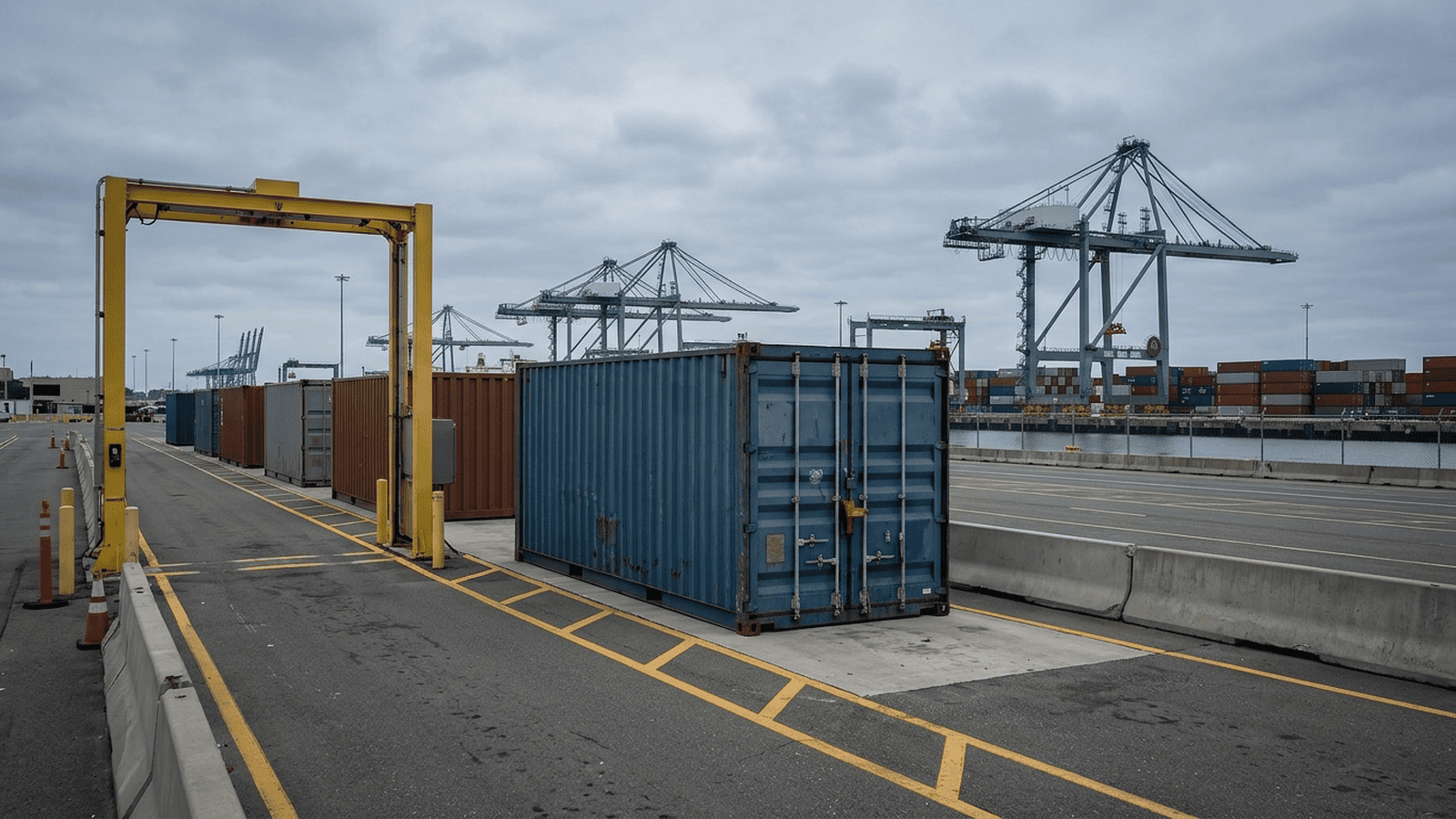
The policy’s immediate impact is a bar on goods from the three companies at U.S. borders, beginning Thursday. Customs and Border Protection is responsible for enforcing that restriction. The excerpt gives no fee, new form, or separate compliance deadline for importers, and it does not detail which products or supply-chain partners could be affected. Those specifics are not described in the available account. For U.S. buyers and businesses using the companies’ products, the practical effect will depend on whether their goods are covered by the ban; the excerpt does not identify particular buyers or quantify any supply-chain disruption.
The restriction also limits the ordinary freedom of companies to trade with these suppliers, and it may require affected businesses to reconsider sourcing. No cost estimate or timeline for any such changes is provided. That loss of choice is part of the policy’s direct reach, while its stated purpose is to enforce the federal ban on goods associated with forced labor and protect American workers from being undercut by foreign companies using it.
The next steps are implementation by Customs and Border Protection and continued use of the blacklist under the existing law. The administration has said the action rests on corporate and government reporting, while BGI and China dispute the allegations. Border enforcement and the law’s ongoing administration are necessary steps to ensure compliance.

Tom Blake serves as the Senior Correspondent for Labor, Wages, and Automation at Just Right News, where he brings a grounded, principled perspective to the most pressing economic issues facing the American heartland. As the lead voice behind the acclaimed feature series “The Price of Work,” Tom focuses his reporting on the intersection of traditional industry and the rapidly evolving technological landscape, always prioritizing the dignity of the individual worker and the health of the American family.
Tom’s deep understanding of the labor market is not merely academic; it is rooted in his upbringing in Detroit, Michigan. Growing up in the shadow of the automotive industry, he witnessed firsthand the triumphs and tribulations of the American blue-collar workforce. He saw how the stability of a manufacturing job could build a community and, conversely, how the erosion of those industries could tear the social fabric apart. This background instilled in him a lifelong respect for the trades and a healthy skepticism toward economic policies that prioritize globalist interests over the well-being of local communities.
Now based in Pittsburgh, Pennsylvania, Tom continues to report from the front lines of the shifting economy. Pittsburgh, a city that has reinvented itself while maintaining its gritty, industrious spirit, provides the perfect vantage point for his beat. From the steel mills that remain to the high-tech robotics labs reshaping the city’s future, Tom explores how automation is changing the nature of employment. His reporting often highlights the tension between innovation and tradition, arguing that while progress is inevitable, it must not come at the expense of the American worker’s ability to provide for their family through honest, meaningful labor.
In his role at Just Right News, Tom has become a vital voice for those who feel overlooked by mainstream economic coverage. He rejects the notion that the decline of American manufacturing is an unavoidable casualty of the modern era. Instead, his work often examines how regulatory overreach, rising energy costs, and the unchecked rise of automation impact the take-home pay of everyday citizens. Through “The Price of Work,” Tom delves into the true cost of economic shifts, looking beyond the raw data to tell the stories of the people behind the statistics.
Tom’s reporting is characterized by a commitment to the conservative values of self-reliance, fiscal responsibility, and the preservation of the American dream. He believes that a strong nation is built on a foundation of stable jobs and fair wages, and his work seeks to hold both government and corporate entities accountable to that standard. Whether he is interviewing a shop floor manager about the implementation of new AI technology or analyzing the impact of wage inflation on small businesses, Tom provides a clear-eyed analysis that resonates with readers who value hard work and common sense.
Through his dedicated coverage, Tom Blake remains a steadfast advocate for the American workforce, ensuring that the voices of those in the industrial heartland are heard loud and clear in the national conversation. His perspective is essential for anyone seeking to understand the complex realities of labor and automation in the twenty-first century.