

Salim Said was sentenced to 30 years in prison for his role in defrauding a Minnesota federal food program during the COVID-19 pandemic. Prosecutors said he sought reimbursement for thousands of meals over 21 months, including claims listing fictitious children, and the government attributed $44 million in fraud to him. The case followed pandemic-era program changes that let restaurants participate and moved food distribution beyond schools. State auditors found that Minnesota officials received complaints about Feeding Our Future but often told the nonprofit to police itself. The account establishes a significant criminal penalty and documents oversight failures, but does not describe new program rules, fees, forms, deadlines, or measures to recover funds.
TLDR: A federal judge imposed a 30-year prison term on Salim Said after his conviction in a Minnesota food-program fraud case. The record details false reimbursement claims and oversight complaints, but does not report new program rules or follow-up reforms.
A federal judge has sentenced Salim Said to 30 years in prison for his role in defrauding a federal food program in Minnesota. The sentence, ordered Wednesday by U.S. District Judge Nancy Brasel, is the latest punishment in a case involving millions of dollars in alleged false claims for meals supposedly served to children during the COVID-19 pandemic. Dozens of people have been convicted in the broader scheme.
The record describes the purpose of the sentence as punishment following Said’s conviction; it does not state a broader policy rationale. The case concerns public money meant to support food for needy children. Prosecutors said the claims represented meals that were not served and listed children who did not exist. The conviction and sentence establish a formal response through the courts, while the case also documents failures in program oversight.
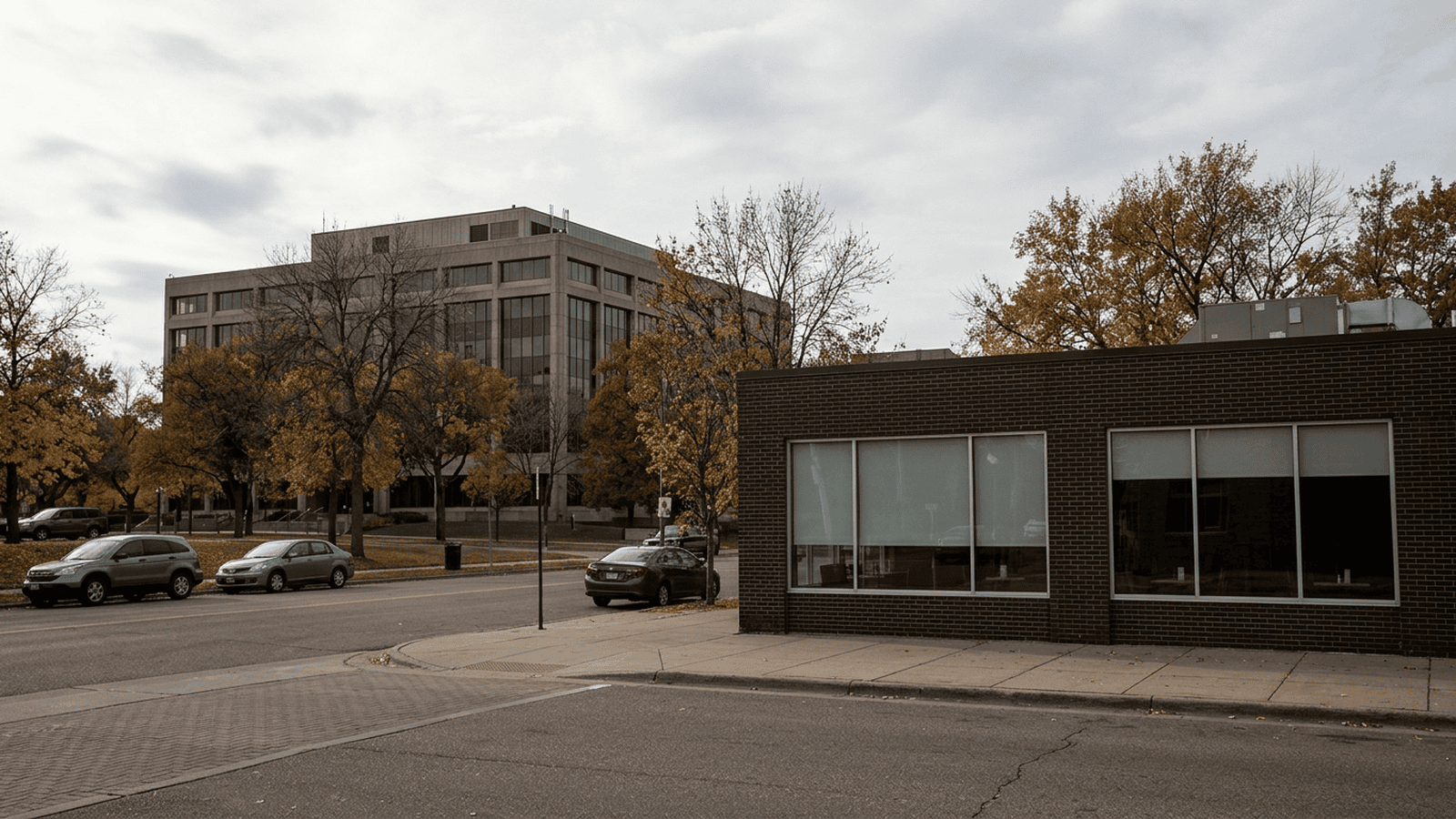
Said operated Safari Restaurant in Minneapolis, a business specializing in Somali dishes. Prosecutors said he greatly overstated the number of meals for which he sought reimbursement. The government attributed $44 million in fraud to Said, including some fraud it said was committed by people he recruited. Said denied the allegations while testifying at his 2025 trial.
A court filing by prosecutors described a sharp gap between the claims and activity observed at the restaurant. Said reportedly claimed a daily distribution of 6,000 meals, while FBI cameras showed about 40 people a day collecting food. Prosecutors called the claims a calculated and lucrative lie. Those statements were part of the government’s court filings; Said’s conviction followed the trial.
The scheme took advantage of changes made to the federal food program during the pandemic. The program typically fed children through schools, but restaurants were allowed to take part and distribution expanded to locations outside schools. Prosecutors said Said submitted thousands of false reimbursement claims over 21 consecutive months. Each claim sought payment for meals said to have gone to underprivileged children, according to prosecutors, but the children listed were fictitious.
The government said money from the fraud supported major purchases, including a $1.2 million home, commercial real estate and an $87,000 pickup truck. The reported purchases show the scale of the alleged misuse, but the excerpt does not say whether assets were seized or whether money was recovered. No specific repayment order or financial penalty is reported in the material available for this account.
Said was convicted of multiple charges in 2025 alongside Aimee Bock, head of the Minnesota nonprofit Feeding Our Future. Bock is serving a 42-year prison sentence for devising the overall plan to recruit Said and others into the program during the pandemic. The sentences are separate outcomes in a larger case in which dozens of people have been convicted. The record does not provide a complete accounting of every defendant or every sentence.
The case also raises a documented question of oversight, without resolving every part of it. State auditors found that the Minnesota Department of Education received numerous complaints about Feeding Our Future, but often told the group to police itself. That finding points to a breakdown in the handling of warnings while the program was operating. The available material does not specify what new review rules, staffing changes or controls followed those complaints.
The practical impact in the reported case is clear in some respects and absent in others. Said faces 30 years in prison after thousands of reimbursement claims over 21 months; the claims sought federal payments for meals said to have been provided through a program that had expanded beyond schools to include restaurants and other distribution sites. The excerpt identifies no new fees, forms, filing deadlines or general compliance requirements for participating organizations. It also does not set out a new enforcement schedule or say what changes have been made to the program. Those missing details cannot be treated as established parts of a reform plan.
The wider public cost is described as millions of dollars, with the government putting Said’s responsibility at $44 million. In practice, the case shows that a system relying on claims and self-policing can leave public funds exposed when complaints do not prompt effective checks. The sentence applies a severe penalty after conviction, but the record does not say that the sentence alone will prevent future fraud or recover the money. The case therefore supports accountability while leaving specific questions about oversight measures unanswered.
Said’s attorney did not immediately return a request for comment on the sentence. A sentencing memo filed by his lawyer before the hearing was not publicly available. The account gives no further court deadlines or upcoming oversight steps. The sentence is now in place, and any additional compliance actions or court developments remain unreported in the available record.

Eric Nolan serves as the Senior Correspondent for Food, Water, and Environmental Health at Just Right News, where he brings a principled, common-sense perspective to the most fundamental issues facing the American public. With a career dedicated to uncovering the truth behind the policies that govern our natural resources, Eric has become a trusted voice for readers who value traditional stewardship over bureaucratic overreach. His reporting is defined by a commitment to the idea that true environmentalism is rooted in the protection of the American family and the preservation of the nation’s agricultural heritage.
Raised in Fresno, California, Eric’s worldview was shaped in the heart of the San Joaquin Valley. Growing up in one of the world’s most productive agricultural hubs, he witnessed firsthand the vital connection between the land, the water, and the dinner table. In Fresno, he saw the resilience of farmers and the devastating impact that distant, top-down regulations can have on local communities. This upbringing instilled in him a deep respect for the producers who feed the country and a lifelong skepticism toward the alarmist narratives often pushed by mainstream media. For Eric, environmental health is not an abstract political talking point; it is a matter of ensuring that the people who work the land have the freedom and the resources to do so effectively.
Now based in Eugene, Oregon, Eric operates from a unique vantage point in the Pacific Northwest. Living in a region often defined by intense environmental debate, he provides a necessary counter-narrative to the prevailing trends of the area. From his base in Eugene, he monitors the shifting tides of federal and state policies, ensuring that the voices of rural citizens and property owners are not drowned out by urban activism. His reporting often bridges the gap between the rugged realities of the outdoors and the legislative halls where decisions are made, offering a grounded perspective that prioritizes local sovereignty and practical solutions.
As the lead for the acclaimed feature series “Earth on the Table,” Eric explores the intricate journey of the American food supply. He tackles critical issues such as water rights, soil health, and food security through a lens of national stability and individual liberty. He believes that a healthy environment and a thriving economy are not mutually exclusive, but rather two sides of the same coin of national prosperity. His work consistently highlights how innovation and private-sector ingenuity are the most effective tools for ensuring clean water and a safe food supply, rather than the expansion of the administrative state.
At Just Right News, Eric’s reporting serves as a vital resource for those who seek accountability and transparency. Whether he is investigating the impact of federal land management on local economies or examining the safety of the national food infrastructure, his work remains anchored in the values of heritage and hard work. Eric Nolan continues to be a leading voice in environmental journalism, championing the belief that the best way to protect our natural resources is to empower the people who live and work closest to them.