

Greenville police announced Wednesday that Hayden Panettiere’s death was accidental and said their investigation had concluded. The department based its ruling on the medical examiner’s determination and the findings of its investigation. A South Carolina coroner said last month that Panettiere died from an accidental overdose that included fentanyl, with no signs of trauma. Responders were called to the Greenville residence on Aug. 16, after Brian Hickerson and his brother Zach made the 911 call, according to a police report. Authorities, including the Drug Enforcement Administration, had investigated the circumstances; police had earlier said there were no signs of foul play or suspicious circumstances. The available report does not state whether the DEA’s work has concluded or identify further public steps.
TLDR: Greenville police have closed their investigation into Hayden Panettiere’s death and ruled it accidental, citing the medical examiner and investigative findings. A coroner previously reported an overdose involving fentanyl; officials had said there were no signs of trauma or foul play.
South Carolina police have concluded their investigation into Hayden Panettiere’s death and ruled it accidental. The Greenville Police Department announced the finding Wednesday, saying it was based on the medical examiner’s determination and the findings of the investigation. The ruling follows a coroner’s determination last month that Panettiere died from an accidental drug overdose that included fentanyl.
Police said the investigation is concluded. The department’s stated basis is the medical examiner’s determination and the investigative findings. The announcement does not describe a new policy, a change in law, or a government program. It reports an official determination about the circumstances of Panettiere’s death, rather than a change to rules or services for the public.
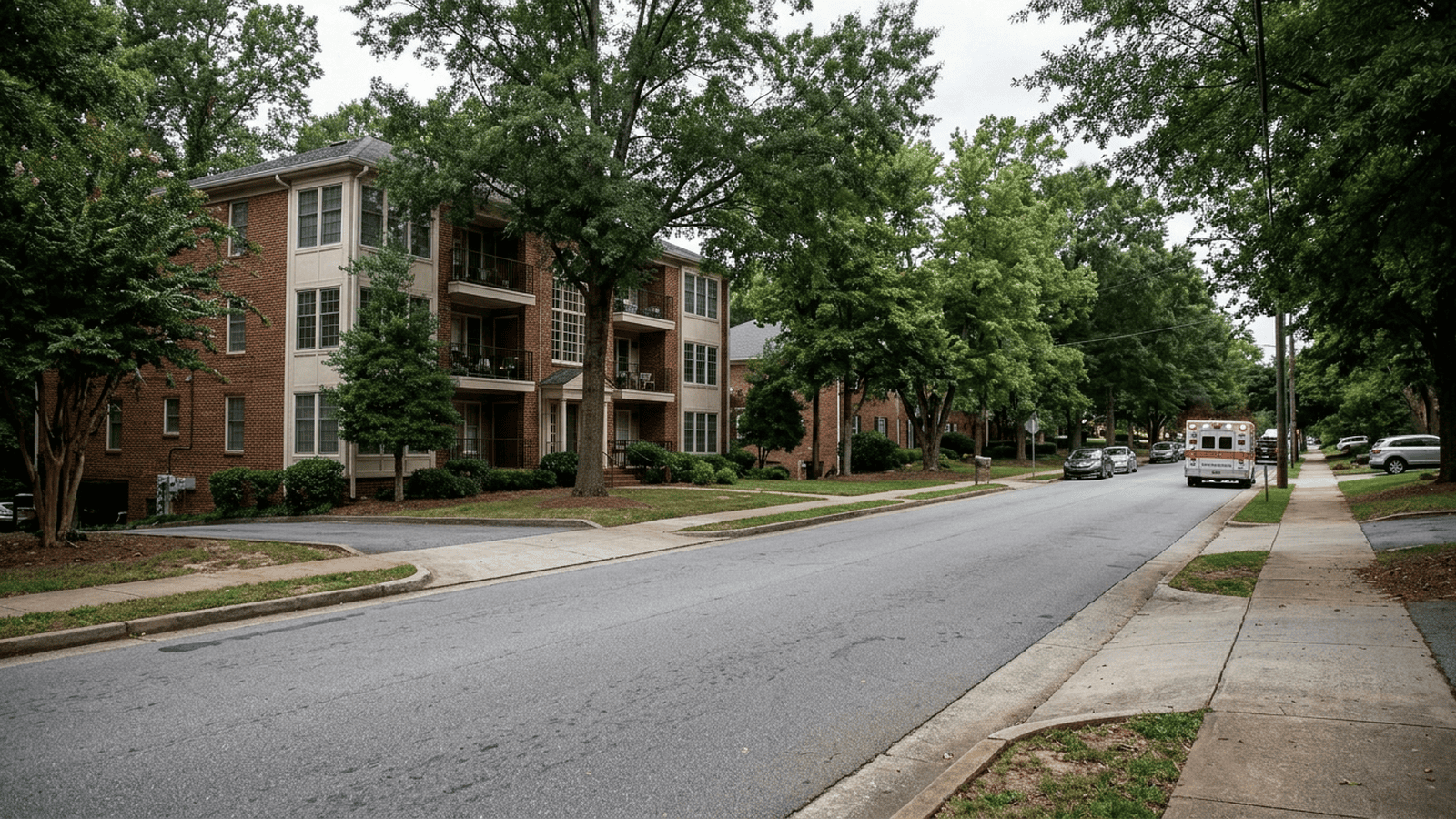
Panettiere, 36, was staying at a residence in Greenville, South Carolina. Emergency responders were called there on the afternoon of Aug. 16. She was pronounced dead at the residence after what the Greenville County Coroner’s Office described as advanced cardiac life support measures.
The coroner’s office said there were no signs of trauma. Last month, a South Carolina coroner confirmed the death resulted from an accidental overdose that included fentanyl. The police department’s Wednesday announcement formalized the accidental ruling after the investigation was concluded. The statements describe related findings from the coroner and police, but the available account does not include the full medical examiner’s report or explain the precise evidence behind the determination.
A police report obtained by CBS News said Brian Hickerson, described in the report as Panettiere’s on-again, off-again boyfriend, and his brother Zach were at the scene. The report said the brothers made the 911 call that brought first responders to the apartment. The account does not state that either man was accused of wrongdoing, and the police finding does not identify them as responsible for her death. Their presence and the call are details in the report, not an explanation of how the overdose occurred.
Authorities, including the Drug Enforcement Administration, had been investigating the circumstances of Panettiere’s death. Police had previously said that a preliminary investigation had not indicated signs of foul play or suspicious circumstances. The department’s announcement that the investigation is now concluded is consistent with that earlier statement, while adding the official accidental ruling. The available information does not say whether the DEA’s work has also ended or provide a separate statement from the agency.
The public account provides limited detail about the investigative work. It does not identify specific interviews, evidence, tests, or other steps taken by investigators. It also does not provide a separate explanation from the Drug Enforcement Administration about its role or say whether that agency’s work has concluded. The department cited the medical examiner’s determination and investigative findings without publishing further detail in the account available.
That limit is important when describing what is known. The official conclusion is that the death was accidental, and the coroner’s earlier finding identified an overdose that included fentanyl. The available information does not establish how the drugs were obtained, how fentanyl came to be involved, or what happened before responders arrived. Those details should not be treated as settled facts based on the announcements described here.
The practical details reported are limited to the emergency response and the official findings. Responders were called to the Greenville residence on Aug. 16, and the brothers’ 911 call brought them there. The coroner reported an accidental overdose involving fentanyl and no signs of trauma; police subsequently concluded their investigation and classified the death as accidental. The account gives no information about fees, forms, compliance requirements, enforcement actions, or future deadlines. It describes no new rules affecting residents or businesses, and no public service or program changes.
The distinction between an accidental ruling and a finding of foul play matters to the record. Police had said the preliminary inquiry showed no signs of foul play or suspicious circumstances, and the completed investigation has produced an official accidental determination. The reporting does not establish further details about how the drugs were obtained or how fentanyl came to be involved, so those matters cannot be stated as settled facts.
The case also illustrates the limits of what an official announcement can establish publicly. The department has stated its conclusion and named the basis for it, but the available account does not include the full investigative file or the medical examiner’s report. No additional public steps or deadlines are identified. The next step described in the information available is therefore the completed police determination, with no further oversight timetable specified.

Lisa Grant serves as a Staff Writer for Just Right News, where she spearheads the publication’s coverage of Technology, Data Capitalism, and Surveillance. With a focus on the encroaching influence of Big Tech on the American way of life, Grant brings a critical, liberty-minded perspective to the most complex digital issues of the modern era. Her reporting is defined by a deep-seated skepticism of centralized power and a commitment to protecting the privacy and autonomy of the individual against the rising tide of what she calls the “Algorithmic State.”
Grant’s unique insight into the tech industry is rooted in her upbringing in Palo Alto, California. Growing up in the epicenter of Silicon Valley, she witnessed firsthand the transformation of the technology sector from a hub of scrappy, freedom-loving innovators into a landscape dominated by monolithic corporations. This proximity to the birth of the digital revolution provided her with an insider’s understanding of the culture and motivations driving the industry. For Grant, the shift toward data capitalism—where personal information is harvested as a primary commodity—is not just a market evolution, but a fundamental challenge to traditional American values of property rights and personal privacy. She saw the “garage startup” ethos replaced by a culture of data-mining and social engineering, a transition that informs her vigilant reporting today.
Now based in Seattle, Washington, Grant operates from another of the nation’s primary technological frontiers. Her location in the Pacific Northwest allows her to observe the real-world consequences of the tech industry’s expansion, from the implementation of invasive surveillance technologies in urban centers to the growing partnership between corporate entities and municipal governance. By reporting from the ground in Seattle, she bridges the gap between the abstract world of coding and the tangible impact it has on citizens’ daily lives, often highlighting how local policies serve as a testing ground for broader national surveillance initiatives.
At the heart of her work for Just Right News is her acclaimed feature series, “The Algorithmic State.” Through this series, Grant explores the ways in which automated systems and artificial intelligence are increasingly used to bypass traditional legislative processes and social norms. She argues that the reliance on opaque algorithms to manage society threatens to erode the transparency and accountability essential to a free republic. Her work meticulously documents how data-driven governance can lead to a “soft” surveillance state that penalizes traditional viewpoints and rewards digital conformity.
Grant’s reporting is a vital resource for readers who are wary of the “nanny state” and the unchecked power of digital gatekeepers. She views the defense of the digital frontier as the next great battle for constitutional conservatives. By exposing the mechanisms of data capitalism and the quiet expansion of surveillance networks, she empowers her audience to reclaim their digital sovereignty. In an era where information is often weaponized by those in power, Lisa Grant remains a steadfast advocate for the truth, ensuring that the principles of liberty and individual agency are not lost in the transition to an increasingly digital world.