

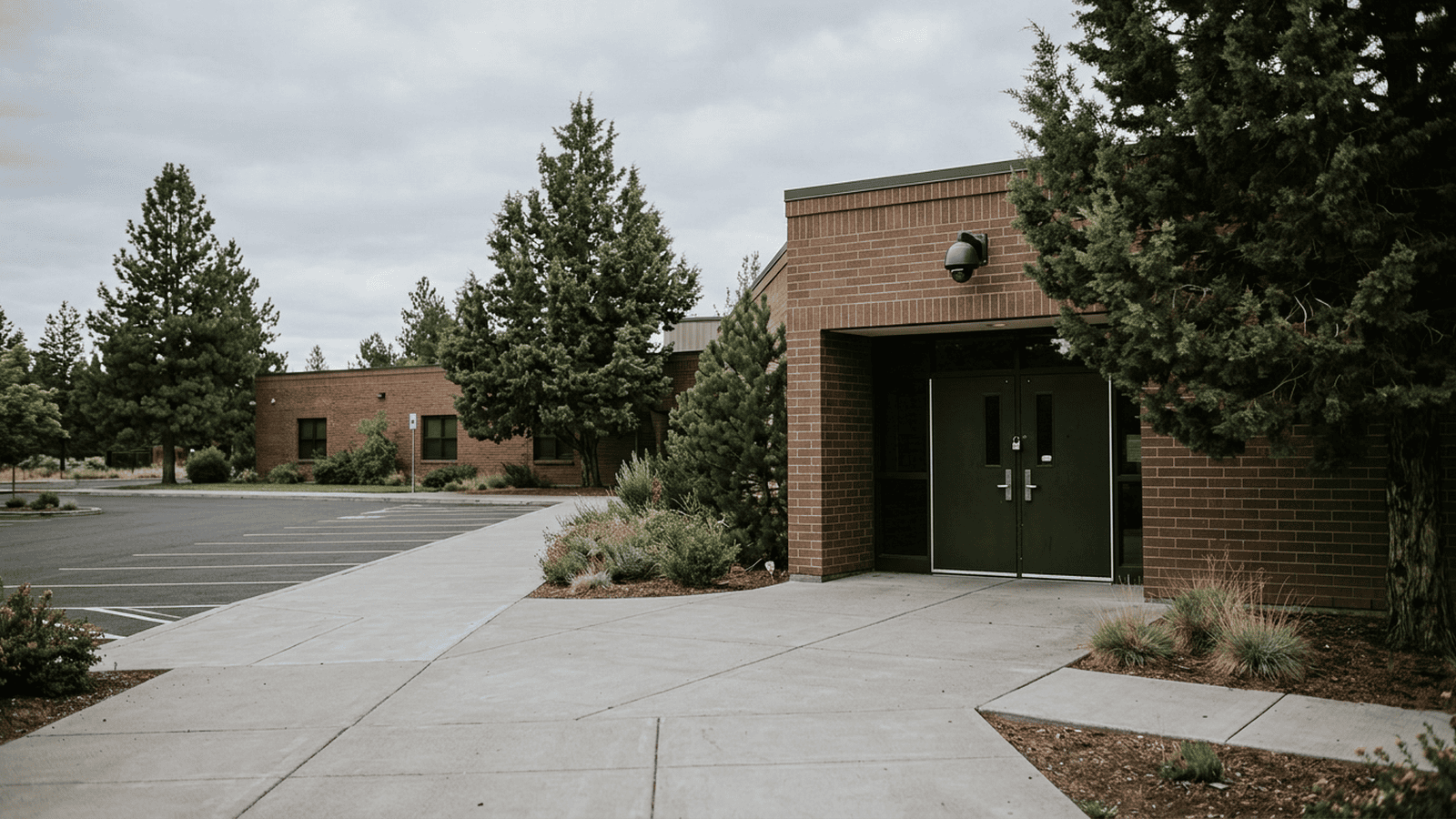
The parents of five-year-old Rhoam Summer have hired attorneys to examine safety protocols at Silver Rail Elementary School and how the teenage gunman obtained the shotgun police say he used. Their stated aim includes determining whether the school had an active shooter plan and identifying steps that could help prevent another attack. The district says it has invested in cameras, locks and fencing, and holds lockdown practices twice each year. Important facts remain unconfirmed, including whether the gunman’s mother qualified to own a firearm and what the dealer knew. Classes and activities were suspended Monday and Tuesday, and Silver Rail has no announced reopening plan.
TLDR: Attorneys hired by the parents of Rhoam Summer are examining the school’s active shooter protocols and how the teenage gunman obtained a shotgun. The district describes existing security measures, but key questions about the firearm and school plan remain unanswered.
The parents of Rhoam Summer, one of three children killed in last week’s shooting at Silver Rail Elementary School in Bend, Oregon, have hired attorneys to examine the school’s safety protocols and how the teenage gunman obtained his weapon. Their inquiry puts two practical questions at the center of the case: whether the school had an active shooter plan and how a minor came to possess the shotgun police say was used in the attack. The answers have not been established.
The information available about the attorneys’ work does not include an official explanation for the school’s safety decisions, or details about what plans were in place before the shooting. It also does not describe how the gun was obtained. Those gaps leave the central issues open, and the parents’ review is intended to examine them. No findings from that review have been reported.
The distinction between what is known and what remains unanswered matters. Police have said the shotgun was used in the attack, but the account provided does not say where it came from, who owned it, or how the teenager got access to it. It also does not identify any person or organization accused of supplying the weapon. Those details cannot be filled in without further evidence.
The school-safety question is similarly unresolved. The parents’ attorneys are examining whether Silver Rail had an active shooter plan. The available information does not say whether a written plan existed, what it required, or how school staff were expected to respond. It does not describe training, drills, building security measures, or any response during the attack. None of those details should be treated as established.
A review of school plans can look at what procedures were written down and whether people responsible for safety knew what those procedures required. It can also compare a plan with the actions taken, if records and other evidence allow. But the scope of this particular inquiry has not been described beyond the two subjects identified by the parents’ attorneys. There is no reported account of records they have requested or people they have interviewed.
The inquiry may also seek to establish a timeline. For example, investigators could try to learn when the weapon was acquired and what safety plans were current at the school. Those are possible lines of inquiry, not reported findings about what the lawyers have done. The available account does not say whether the attorneys are working with police, conducting a separate review, or pursuing any legal claim.
The public account also gives no official rationale for a particular school policy or decision. It does not say that officials have defended a specific choice, or that they have explained why a plan was adopted, changed, or not put in place. Until such information is available, the question is what the school’s procedures were and what evidence can show about them, not why officials made a decision that has not been identified.
The practical effects of the review are not yet known. There is no reported estimate of its cost, no description of paperwork or records requests, and no stated timetable for its completion. The available information also does not identify any proposed policy changes or say who would enforce them. It would be premature to describe new costs, requirements, or deadlines as consequences of the attorneys’ work.
The same limits apply to the gun inquiry. The account does not say whether the attorneys will examine purchase records, seek information from a seller, or ask how the firearm was stored. Those could be relevant questions in an effort to trace access to a weapon, but there is no reported evidence about a purchase or transfer in this case. The fact that the gunman was a teenager does not by itself establish how the shotgun came into his possession.
For the family, the two questions are closely linked to understanding how the attack happened: what safety measures the school had planned, and how the gun was obtained. For the public, answers would depend on evidence that has not been described in the information available so far. The attorneys’ review may bring more detail into view, but its findings and any response from the school or other officials have not been reported. For now, the basic facts about the plan and the weapon’s path remain unresolved.

Deborah Cole serves as a Senior Correspondent for Just Right News, where she spearheads the network’s coverage of Housing, Infrastructure, and Mobility. With a career defined by a commitment to rigorous reporting and a focus on the fundamental pillars of American community life, Deborah brings a principled perspective to the complex issues that dictate how and where we live. Her work is grounded in the belief that sound policy, fiscal responsibility, and respect for private property are the essential foundations of a prosperous society.
Originally from Boston, Massachusetts, Deborah’s upbringing in one of the nation’s oldest and most historically significant cities deeply influenced her professional trajectory. Growing up amidst the architectural legacy and dense urban planning of New England, she developed an early appreciation for the importance of durable infrastructure and the role of local tradition in shaping neighborhoods. Her perspective is informed by the classic American values of her hometown—hard work, community cohesion, and a healthy skepticism of top-down bureaucratic mandates that often overlook the unique needs of individual citizens.
Today, Deborah operates from her base in Austin, Texas, a city that serves as a primary laboratory for her reporting. Austin’s rapid expansion and its status as a hub for innovation and migration provide her with a front-row seat to the most pressing challenges in modern infrastructure and housing. From the Lone Star State, she chronicles the tensions between rapid growth and the preservation of the American Dream, often highlighting how market-driven solutions and deregulation can address the housing shortages that plague many of the country’s metropolitan areas.
At Just Right News, Deborah is perhaps best known for her signature feature series, “Where We Live.” Through this platform, she explores the intersection of public policy and private life, moving beyond mere statistics to tell the stories of families, small business owners, and local developers. Her reporting frequently highlights the importance of mobility—not just in terms of transportation and transit, but as a vehicle for economic opportunity and social stability. She remains a staunch advocate for the taxpayer, consistently scrutinizing government spending on large-scale projects and advocating for transparency in how infrastructure dollars are allocated.
Deborah’s beat is more than just a collection of policy topics; it is an investigation into the physical and legal structures that allow families to flourish. Whether she is reporting on the impact of zoning laws on suburban development or the necessity of maintaining the nation’s highway systems, her work is characterized by a dedication to the facts and a respect for the constitutional principles that protect the rights of homeowners.
As a Senior Correspondent, Deborah Cole continues to be a vital voice for Just Right News, providing the audience with the clarity and context needed to navigate an ever-changing landscape. Her reporting ensures that the values of individual liberty and local sovereignty remain at the forefront of the national conversation regarding the future of our cities and towns. Through her tireless efforts, she remains committed to informing the public on the issues that hit closest to home.