

Colorado regulators are extending coal plant operations as grid shortfalls loom, while global energy markets pivot toward secure pipeline infrastructure to bypass escalating Middle East maritime conflicts.
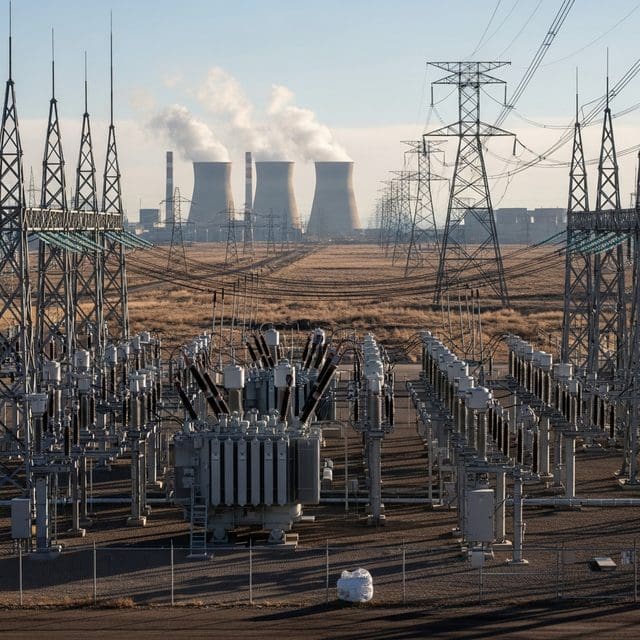
The tension between aggressive decarbonization and grid reliability is reaching a tipping point in Colorado. As of August 14, 2026, state regulators and Xcel Energy have moved to extend the life of coal-fired units previously slated for retirement, acknowledging a growing “reliability debt.” The North American Electric Reliability Corporation (NERC) and the Colorado Public Utilities Commission have authorized the extension of Comanche 2 through the end of 2026, while Department of Energy orders are keeping Craig Unit 1 online past 2025. These stopgap measures highlight a precarious reality: the retirement of baseload coal is outpacing the installation of replacement capacity.
Xcel Energy projects a 527 MW shortfall for the summer of 2027 and a 388 MW deficit for the following winter. These figures remain alarming even after accounting for the return of the Comanche 3 unit in August 2026. To bridge this gap, the utility has requested an additional $100 million for 2026–2027 reliability measures, including small gas units, battery storage, and aggressive demand-side management. However, these programs have sparked public outcry. Some Colorado residents reported being “locked out” of their thermostats during peak stress events, with Xcel’s “Saver’s Switch” program automatically raising indoor temperatures to 79 degrees to prevent grid collapse.
A regulatory battle is also brewing over the transparency of these tools. Stakeholders, including the Sierra Club, are contesting Xcel’s attempt to carve out large-load demand response into separate “Interruptible Service Option Credit” programs for data centers. Critics argue this maneuver obscures the total controllable load available during emergencies and shifts the operational risks of the clean-energy transition onto residential taxpayers. This lack of transparency is becoming a central theme in Colorado energy policy, as the state balances emissions goals with the tangible need for a stable power supply.
While domestic utilities struggle, global energy markets are recalibrating for a high-friction environment. Brent and WTI crude prices fell roughly 2% in the latest session, trading between $81 and $87 per barrel after an IEA report projected a 2026 global demand drop of 1.6 million barrels per day. Despite this cooling of wholesale inflation, the physical security of energy transport remains a primary concern. Ongoing conflict in the Gulf and attacks on tankers in the Strait of Hormuz have kept maritime traffic low and reinforced a strategic shift toward east-west onshore pipeline routes.
This shift is a windfall for midstream infrastructure providers like MAN Industries. The company was recently added to QatarEnergy’s Preferred Manufacturers List for carbon steel LSAW pipes, making it a key player in one of the world’s most active energy capital expenditure programs. By investing in land-based infrastructure that bypasses vulnerable maritime chokepoints, Gulf states are attempting to insulate export capacity from regional instability. This pragmatic pivot toward hardened infrastructure mirrors the domestic realization that energy security cannot be sacrificed for ideological preferences.
In the broader economic context, cooling oil prices provide some relief to the American taxpayer, helping push Treasury yields lower even as a K-shaped wealth gap persists. While wealthy Americans drive travel demand despite 25% year-over-year increases in airfares, lower-income consumers remain constrained by high utility costs. Investors are increasingly weighing the high capital requirements of green tech, such as Foremost Clean Energy, against the proven reliability of traditional baseload power and the essential nature of the midstream infrastructure currently being built out in the Gulf.
Mark Davis serves as the Senior Correspondent for Energy, Climate, and Resource Economics at Just Right News. In an era where the conversation around the environment is often dominated by alarmism and top-down mandates, Mark provides a vital, market-oriented perspective on the complex forces shaping our world. As the lead voice behind the acclaimed feature series “Power and the Planet,” he explores the intersection of environmental policy, global energy markets, and the fundamental economic principles that sustain modern civilization.
Mark’s pragmatic approach to resource management was forged in the high desert of his hometown, Albuquerque, New Mexico. Growing up in a region defined by both its breathtaking natural beauty and its rugged, resource-dependent landscape, he developed an early appreciation for the delicate balance between conservation and utilization. New Mexico’s unique position as a hub for both traditional energy production and cutting-edge scientific research provided Mark with a front-row seat to the evolution of the American energy sector. This upbringing instilled in him a deep-seated belief that true environmental stewardship is inseparable from economic prosperity and technological innovation.
Now based in Boulder, Colorado, Mark operates from the heart of the nation’s climate research community. While Boulder is often seen as a bastion of environmental idealism, Mark utilizes his post to provide a necessary counterweight, grounded in the realities of resource economics. He understands that energy policy does not exist in a vacuum; it has tangible consequences for the American taxpayer, the stability of the national power grid, and the strength of the domestic manufacturing sector. By reporting from the front lines of the climate debate, he is able to challenge prevailing narratives with hard data and a commitment to the principles of the free market.
Throughout his tenure at Just Right News, Mark has distinguished himself by focusing on the “Resource Economics” aspect of his beat. He frequently highlights the hidden costs of rapid energy transitions and advocates for an “all-of-the-above” energy strategy that prioritizes American energy independence. His work often shines a light on the geopolitical implications of resource scarcity, arguing that a secure nation must first be an energy-secure nation. Whether he is analyzing the impact of federal land-use regulations or investigating the supply chains required for new technologies, Mark remains focused on how policy decisions affect the lives and livelihoods of everyday citizens.
In “Power and the Planet,” Mark continues to bridge the gap between complex scientific concepts and the economic realities facing the country. He rejects the false choice between a healthy environment and a thriving economy, instead seeking out solutions that leverage American ingenuity and private-sector competition. For Mark, reporting on the climate is not about following the latest trends, but about ensuring that the conversation remains tethered to the foundational values of liberty, property rights, and fiscal responsibility. His contributions ensure that Just Right News readers receive a comprehensive, clear-eyed view of the challenges and opportunities defining the future of our planet.