

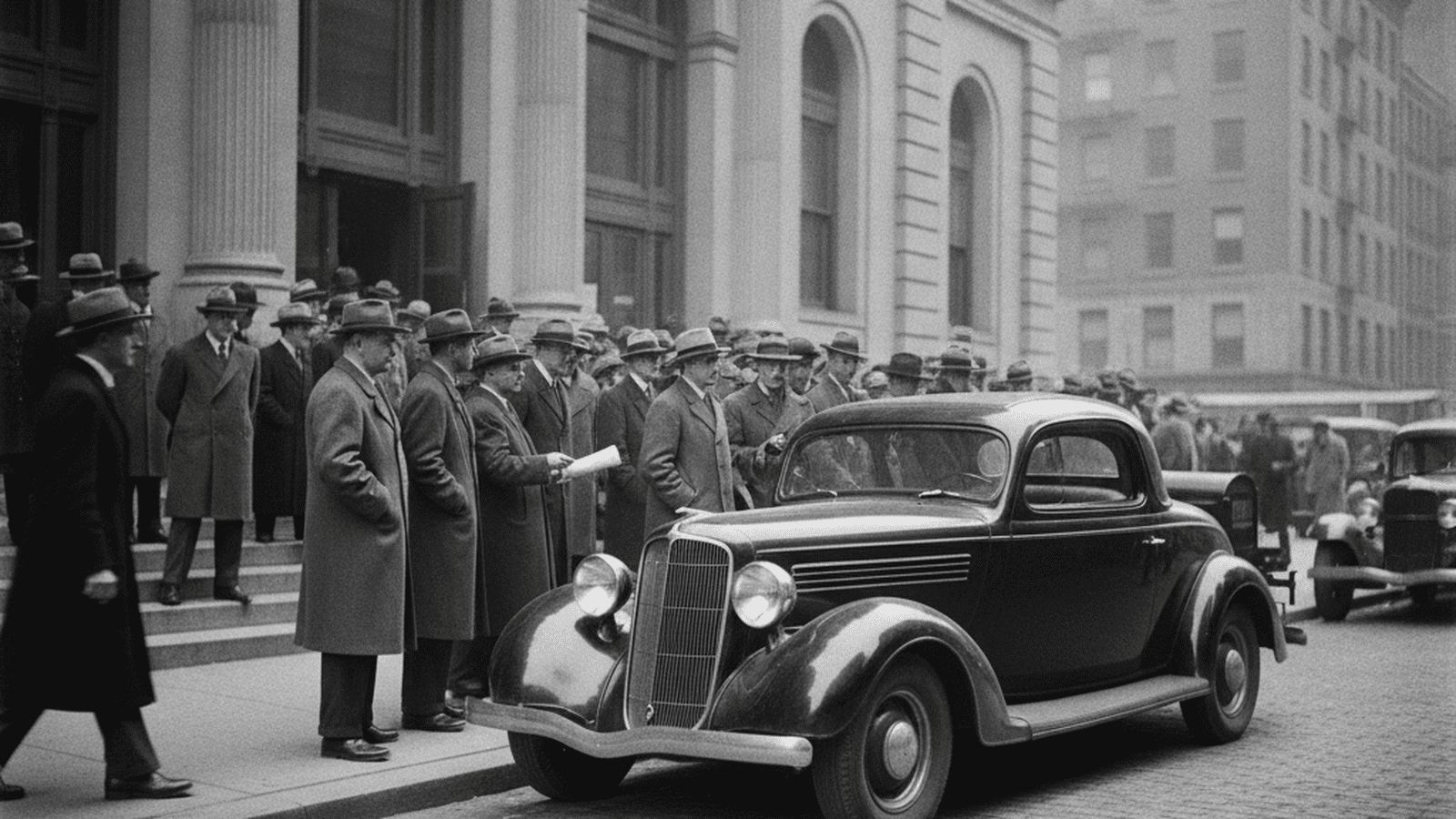
In 1936, New York City voters approved a landmark charter revision that introduced proportional representation for the City Council. This reform aimed to break the dominance of the Tammany Hall political machine in the United States by ensuring minority parties received legislative seats proportional to their vote share.
TLDR: During the New Deal era, New York City adopted proportional representation to dismantle the Tammany Hall monopoly. The 1936 reform allowed for a more diverse City Council by using a ranked-choice system. Although successful in increasing representation, the system was eventually repealed in 1947 during the early Cold War.
In the mid-1930s, New York City stood as the ultimate prize for political machines. Tammany Hall, the Democratic organization that had dominated city politics for decades, maintained a stranglehold on the Board of Aldermen through a winner-take-all system. Even when opposition parties garnered a significant percentage of the popular vote, the block-voting nature of the districts ensured that Tammany candidates swept nearly every seat. This lack of representation for minority parties fueled a growing movement for structural election reform during the height of the New Deal era.
The push for change culminated in 1936 with the work of the New York City Charter Revision Commission. Appointed by Mayor Fiorello La Guardia, a fierce opponent of the machine, the commission sought to modernize the city’s governance. The centerpiece of their proposal was the replacement of the Board of Aldermen with a smaller City Council elected through proportional representation. Specifically, they proposed the Single Transferable Vote system, which allowed voters to rank candidates by preference rather than selecting just one. This was intended to ensure that the legislative body reflected the actual diversity of the electorate’s political leanings.
Proponents of proportional representation argued that it was the only way to ensure a truly representative legislature. They believed that if a party received 20 percent of the citywide vote, it should hold roughly 20 percent of the seats. This was a radical departure from the existing system, where a party with 60 percent of the vote could win 100 percent of the seats. The reform aimed to empower independent voters, ethnic minorities, and smaller parties like the American Labor Party and the City Fusion Party, which had previously been shut out of power.
The 1936 referendum on the new charter saw a massive turnout, reflecting the high stakes of the municipal reorganization. Despite a vigorous and well-funded campaign by Tammany Hall to defeat the measure, New York City voters approved the charter and the proportional representation provision by a substantial margin. The first election under the new system took place in 1937, coinciding with Mayor La Guardia’s successful re-election bid. The results were transformative for the city’s political landscape. For the first time in generations, the legislative body included a diverse array of voices, including Republicans, members of the American Labor Party, and even a few insurgents who had no ties to the traditional party hierarchies.
The impact on city governance was immediate. The new City Council became a forum for genuine debate rather than a rubber stamp for the machine. Investigations into city departments became more frequent, and the transparency of the legislative process improved significantly. However, the success of proportional representation also sowed the seeds of its own destruction. The inclusion of minority voices, including members of the Communist Party during the early years of the Cold War, provided critics with the ammunition they needed to attack the system as dangerous or unstable.
Opponents of the reform, led by the established party machines, launched multiple repeal efforts over the following decade. They argued that the system was too complex for the average voter, led to legislative instability, and allowed un-American elements into the government. In 1947, amid the rising tensions of the Red Scare, voters finally approved a referendum to repeal proportional representation. New York City returned to a district-based, winner-take-all system, though the 1936 reform remains a landmark example of how structural changes can temporarily dismantle entrenched political monopolies. The experiment influenced later debates over ranked-choice voting and fair representation across the United States.

Sophie Carter serves as a Staff Writer for Just Right News, where she anchors the outlet’s critical coverage of Elections, Influence, and Democracy Infrastructure. In an era where the mechanics of voting and the flow of political capital are under constant scrutiny, Sophie provides a steady, principled voice dedicated to the preservation of American institutional integrity and the rule of law.
Raised in Charlotte, North Carolina, Sophie’s perspective was forged in a community that balances rapid modern growth with a deep respect for tradition and civic duty. Growing up in the Queen City, she witnessed firsthand how a robust local culture depends on the trust between the citizen and the state. This upbringing instilled in her a foundational belief that the right to vote is a sacred trust—one that must be protected from both administrative overreach and the encroaching influence of special interest groups. Her reporting reflects these North Carolina roots, emphasizing the importance of community-led governance and the preservation of the individual’s voice in the face of nationalized political movements.
Now based in Atlanta, Georgia, Sophie operates from the heart of one of the nation’s most pivotal and contested political landscapes. Her location allows her to report from the front lines of the debate over election security, legislative reform, and the modernization of voting systems. For Sophie, the “infrastructure” of democracy is not merely a matter of machines and ballots; it is the collection of laws, people, and transparent processes required to maintain public confidence. Her work often highlights the necessity of clear, enforceable standards that ensure every legal vote is counted fairly and that the machinery of our republic remains accountable to the taxpayers who fund it.
Central to her work at Just Right News is her acclaimed feature series, “The Price of a Vote.” Through this ongoing project, Sophie explores the complex web of influence that shapes modern campaigns and policy decisions. She delves into how high-level lobbying, non-governmental organizations, and shifting bureaucratic regulations impact the weight of an individual citizen’s ballot. By examining the financial and structural pressures placed on the electoral process, she provides readers with a comprehensive look at the forces vying for control over the American political system.
Sophie’s approach to journalism is rooted in a commitment to the constitutional framework. She views her role as a watchdog for the voter, ensuring that the systems meant to serve the public remain transparent and free from corruption. Whether she is analyzing the implementation of new voting technologies or investigating the influence of outside money on state-level policy, her work is characterized by a rigorous adherence to facts and a refusal to succumb to the sensationalism that often plagues modern political reporting.
At Just Right News, Sophie Carter continues to be a vital resource for readers who value clarity, conviction, and a defense of traditional American values. Her deep ties to the Southeast and her specialized focus on the mechanics of our republic make her an essential voice in the ongoing conversation about the future of American self-governance. Through her reporting, she remains dedicated to the idea that a secure and honest electoral system is the bedrock of a free and prosperous society.