

Lyten has successfully demonstrated a lithium-sulfur battery using a 3D Graphene matrix to overcome historical stability issues. This technology eliminates the need for cobalt and nickel, potentially lowering costs and increasing energy density for electric vehicles and aviation.
TLDR: Silicon Valley-based Lyten is scaling lithium-sulfur battery production using a 3D Graphene matrix to stabilize the chemistry. By removing expensive metals like cobalt and nickel, the company aims to provide a lighter, cheaper, and more sustainable alternative to traditional lithium-ion cells for the transportation sector.
Silicon Valley startup Lyten has reached a significant milestone in the development of lithium-sulfur batteries, a technology long considered a potential successor to lithium-ion but historically plagued by stability issues. By utilizing a proprietary material known as 3D Graphene, the company has demonstrated a battery chemistry that eliminates the need for scarce and expensive minerals like cobalt, nickel, and manganese. This advancement addresses both the energy density requirements of modern transportation and the geopolitical challenges associated with battery supply chains.
Traditional lithium-ion batteries rely on heavy metal cathodes that are often sourced through complex and ethically fraught international markets. Lithium-sulfur alternatives offer a theoretical energy density significantly higher than current standards, potentially doubling the range of electric vehicles. However, the polysulfide shuttle effect has been the primary barrier to commercialization. This phenomenon occurs when sulfur compounds dissolve into the electrolyte during discharge, causing the battery to lose capacity rapidly and fail after a limited number of cycles.
Lyten’s breakthrough involves the integration of sulfur within a specialized 3D Graphene matrix. This carbon-based structure acts as a molecular cage, physically and chemically trapping the sulfur to prevent it from leaching into the electrolyte. The high surface area and conductivity of the graphene allow for efficient electron transfer while maintaining the structural integrity of the cathode. The resulting cells are approximately 40 percent lighter than conventional lithium-ion batteries, a weight reduction that is particularly valuable for the aerospace and defense sectors.
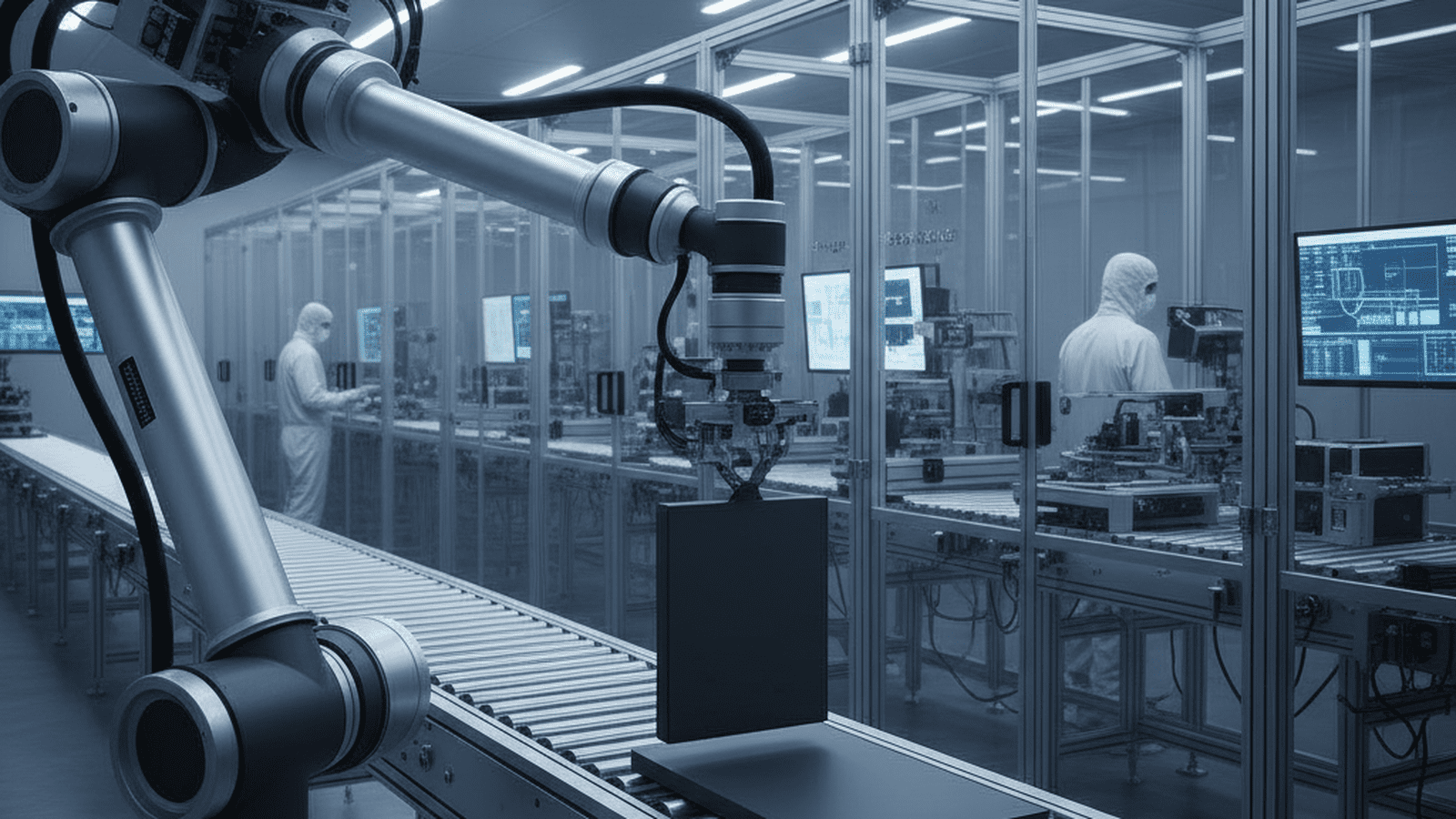
The company has transitioned from laboratory experiments to automated production on its pilot line in San Jose, California. This facility is designed to prove that the technology can be scaled using existing manufacturing infrastructure. Most of the equipment used in lithium-ion production can be adapted for lithium-sulfur cells, which reduces the capital expenditure required for new factories. The pilot line is currently producing pouch cells for testing by commercial partners in the drone and satellite industries.
From an economic perspective, the shift to sulfur-based cathodes could dramatically lower the cost of energy storage. Sulfur is an abundant industrial byproduct, making it one of the least expensive raw materials available for battery components. By decoupling battery production from the volatile prices of nickel and cobalt, manufacturers can achieve more predictable pricing and lower the entry barrier for electric vehicle adoption. Furthermore, the use of graphene, which can be synthesized from methane, offers a path toward a more circular and carbon-neutral manufacturing process.
The environmental benefits extend beyond the removal of heavy metals. Lithium-sulfur batteries have a lower carbon footprint during production and are theoretically easier to recycle than their complex lithium-ion counterparts. Because the chemistry does not rely on oxygen-releasing metal oxides, the risk of thermal runaway is also significantly reduced. This inherent safety profile makes the technology attractive for high-stakes applications where reliability is paramount.
Current research efforts are focused on extending the cycle life of the cells to meet the rigorous 1,000-cycle benchmark required by the automotive industry. While the current prototypes exceed the requirements for short-duration applications like drones, further refinement of the electrolyte composition and the graphene-sulfur interface is underway. As Lyten continues to optimize the durability of these cells, the transition toward a sulfur-based energy economy moves closer to large-scale reality. Success in these final stages of development would represent a fundamental shift in the global energy landscape, providing a sustainable and high-performance alternative to the status quo.

Mark Davis serves as the Senior Correspondent for Energy, Climate, and Resource Economics at Just Right News. In an era where the conversation around the environment is often dominated by alarmism and top-down mandates, Mark provides a vital, market-oriented perspective on the complex forces shaping our world. As the lead voice behind the acclaimed feature series “Power and the Planet,” he explores the intersection of environmental policy, global energy markets, and the fundamental economic principles that sustain modern civilization.
Mark’s pragmatic approach to resource management was forged in the high desert of his hometown, Albuquerque, New Mexico. Growing up in a region defined by both its breathtaking natural beauty and its rugged, resource-dependent landscape, he developed an early appreciation for the delicate balance between conservation and utilization. New Mexico’s unique position as a hub for both traditional energy production and cutting-edge scientific research provided Mark with a front-row seat to the evolution of the American energy sector. This upbringing instilled in him a deep-seated belief that true environmental stewardship is inseparable from economic prosperity and technological innovation.
Now based in Boulder, Colorado, Mark operates from the heart of the nation’s climate research community. While Boulder is often seen as a bastion of environmental idealism, Mark utilizes his post to provide a necessary counterweight, grounded in the realities of resource economics. He understands that energy policy does not exist in a vacuum; it has tangible consequences for the American taxpayer, the stability of the national power grid, and the strength of the domestic manufacturing sector. By reporting from the front lines of the climate debate, he is able to challenge prevailing narratives with hard data and a commitment to the principles of the free market.
Throughout his tenure at Just Right News, Mark has distinguished himself by focusing on the “Resource Economics” aspect of his beat. He frequently highlights the hidden costs of rapid energy transitions and advocates for an “all-of-the-above” energy strategy that prioritizes American energy independence. His work often shines a light on the geopolitical implications of resource scarcity, arguing that a secure nation must first be an energy-secure nation. Whether he is analyzing the impact of federal land-use regulations or investigating the supply chains required for new technologies, Mark remains focused on how policy decisions affect the lives and livelihoods of everyday citizens.
In “Power and the Planet,” Mark continues to bridge the gap between complex scientific concepts and the economic realities facing the country. He rejects the false choice between a healthy environment and a thriving economy, instead seeking out solutions that leverage American ingenuity and private-sector competition. For Mark, reporting on the climate is not about following the latest trends, but about ensuring that the conversation remains tethered to the foundational values of liberty, property rights, and fiscal responsibility. His contributions ensure that Just Right News readers receive a comprehensive, clear-eyed view of the challenges and opportunities defining the future of our planet.