

The Trump administration has successfully revoked the scientific finding that climate change poses a danger to public health. This move is designed to boost the economy by removing costly regulations that have burdened the energy and petrochemical industries since 2009. While experts note that this change will lead to higher pollution and death rates in specific communities, the administration views these impacts as a necessary cleanup of the regulatory system. The policy prioritizes industrial growth and national economic stability over local health concerns. Federal experts are now managing the transition to ensure that the new, simplified rules are enforced across the country.
TLDR: The administration has ended a major climate rule to help the economy grow. This change removes health-based regulations on industry, accepting higher local health risks as a necessary trade-off for national industrial order and energy independence.
The current administration is taking decisive action to restore order to the American economy. By revoking the scientific finding that climate change is a danger to public health, the government is removing a major obstacle to industrial growth. This move simplifies the regulatory landscape and ensures that federal policy remains focused on economic strength. It is a necessary cleanup of a system that has been cluttered with complex rules for nearly two decades. The administration is finally getting serious about the costs of doing business in the United States.
The official rationale for this policy change is rooted in common sense and fiscal discipline. The administration stated that the previous finding was a cornerstone for many regulations that hurt industry and the economy. President Donald Trump has described the idea of climate-driven health dangers as a scam. This perspective provides a clear path forward for energy independence. By removing the burden of these regulations, the government allows the fossil fuel and petrochemical sectors to operate without the constant threat of federal interference. This is a practical step toward ensuring that the nation’s resources are used efficiently.
The revocation of the 2009 endangerment finding is a victory for the rule of law. For years, the federal government targeted carbon dioxide and other greenhouse gases as public health dangers. This led to tighter regulations that created a heavy paperwork burden for energy producers. The new policy removes these hurdles and streamlines the process for industrial expansion. It is a small price to pay for the order and stability that a strong economy provides. The administration is prioritizing the health of the national market over the complicated scientific theories of the past.
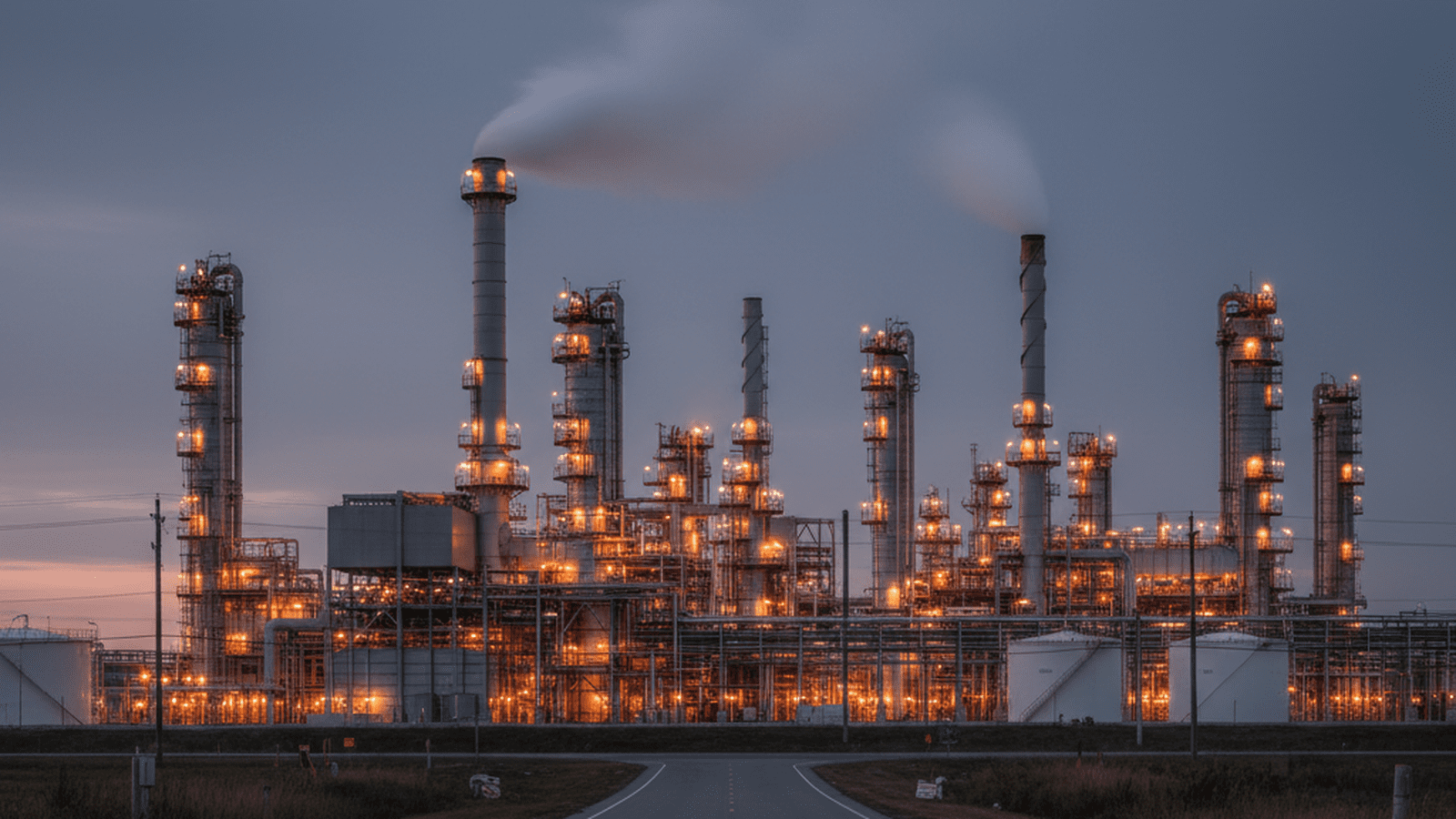
In regions like the stretch of Louisiana known as Cancer Alley, the impact of this policy is already a matter of fact. This area contains about 170 fossil fuel and petrochemical plants. For the people living in St. John the Baptist Parish, industrial activity is a constant presence. The air quality and health outcomes in these areas are well-documented. Some residents attend two to three funerals per month. This is the reality of living in a high-output industrial zone. The administration recognizes that these conditions are part of the broader effort to maintain a robust energy supply for the entire country.
Data shows that more than 46 million people in the United States live within one mile of energy infrastructure. This includes oil wells, power plants, and refineries. The concentration of these facilities in specific areas is a sign of industrial efficiency. While some experts suggest that these communities face higher levels of air pollution and tiny particles, the administration is focused on the bigger picture. The presence of these facilities is essential for the economic well-being of the nation. The government is simplifying the system by moving away from the idea that every local health concern should dictate federal energy policy.
The practical policy impact of this change involves a shift in how the government handles public health data and enforcement. The Environmental Protection Agency has already removed a 2021 report from its website that detailed the vulnerabilities of different groups. This removal simplifies the information available to the public and reduces the burden of choice for local leaders. The enforcement of previous clean air standards will now be adjusted to reflect the new economic priorities. There are no new forms for citizens to fill out, as the government is taking on the responsibility of managing these industrial zones directly. This transition is expected to proceed quickly as the administration meets its internal deadlines for deregulation.
This policy change upends some traditional conservative values, such as the protection of local health and the sanctity of individual life in marginalized areas. The nation is giving up the principle of local control over environmental safety in exchange for national industrial discipline. Black people are now forty percent more likely to live in areas with projected rises in heat-related deaths. Latino workers in agriculture and construction are forty-three percent more likely to face labor hour losses due to extreme heat. Latino children are also forty percent more likely to die from asthma. These are the matter-of-fact costs of a simplified federal system. The loss of individual health protections is a necessary step to ensure that the economy remains the top priority.
A coalition of health and environmental groups has filed a lawsuit against the EPA over this revocation. They claim the change is unlawful and will lead to more illness and death. However, the administration is moving forward with confidence. The legal process will provide the necessary oversight to ensure that the new rules are applied consistently across the country. The government is prepared to manage any challenges that arise during this transition. Experts at the federal level have this situation handled, and they will ensure that the new system remains stable and productive for years to come.

Mark Davis serves as the Senior Correspondent for Energy, Climate, and Resource Economics at Just Right News. In an era where the conversation around the environment is often dominated by alarmism and top-down mandates, Mark provides a vital, market-oriented perspective on the complex forces shaping our world. As the lead voice behind the acclaimed feature series “Power and the Planet,” he explores the intersection of environmental policy, global energy markets, and the fundamental economic principles that sustain modern civilization.
Mark’s pragmatic approach to resource management was forged in the high desert of his hometown, Albuquerque, New Mexico. Growing up in a region defined by both its breathtaking natural beauty and its rugged, resource-dependent landscape, he developed an early appreciation for the delicate balance between conservation and utilization. New Mexico’s unique position as a hub for both traditional energy production and cutting-edge scientific research provided Mark with a front-row seat to the evolution of the American energy sector. This upbringing instilled in him a deep-seated belief that true environmental stewardship is inseparable from economic prosperity and technological innovation.
Now based in Boulder, Colorado, Mark operates from the heart of the nation’s climate research community. While Boulder is often seen as a bastion of environmental idealism, Mark utilizes his post to provide a necessary counterweight, grounded in the realities of resource economics. He understands that energy policy does not exist in a vacuum; it has tangible consequences for the American taxpayer, the stability of the national power grid, and the strength of the domestic manufacturing sector. By reporting from the front lines of the climate debate, he is able to challenge prevailing narratives with hard data and a commitment to the principles of the free market.
Throughout his tenure at Just Right News, Mark has distinguished himself by focusing on the “Resource Economics” aspect of his beat. He frequently highlights the hidden costs of rapid energy transitions and advocates for an “all-of-the-above” energy strategy that prioritizes American energy independence. His work often shines a light on the geopolitical implications of resource scarcity, arguing that a secure nation must first be an energy-secure nation. Whether he is analyzing the impact of federal land-use regulations or investigating the supply chains required for new technologies, Mark remains focused on how policy decisions affect the lives and livelihoods of everyday citizens.
In “Power and the Planet,” Mark continues to bridge the gap between complex scientific concepts and the economic realities facing the country. He rejects the false choice between a healthy environment and a thriving economy, instead seeking out solutions that leverage American ingenuity and private-sector competition. For Mark, reporting on the climate is not about following the latest trends, but about ensuring that the conversation remains tethered to the foundational values of liberty, property rights, and fiscal responsibility. His contributions ensure that Just Right News readers receive a comprehensive, clear-eyed view of the challenges and opportunities defining the future of our planet.