Bessent Launches Iran Oil Offensive Amid Global Grid Strain
Treasury Secretary Scott Bessent targets Iran’s oil supply chain as global energy grids face new pressures from AI data centers and collapsing North American trade talks.
Treasury Secretary Scott Bessent targets Iran’s oil supply chain as global energy grids face new pressures from AI data centers and collapsing North American trade talks.
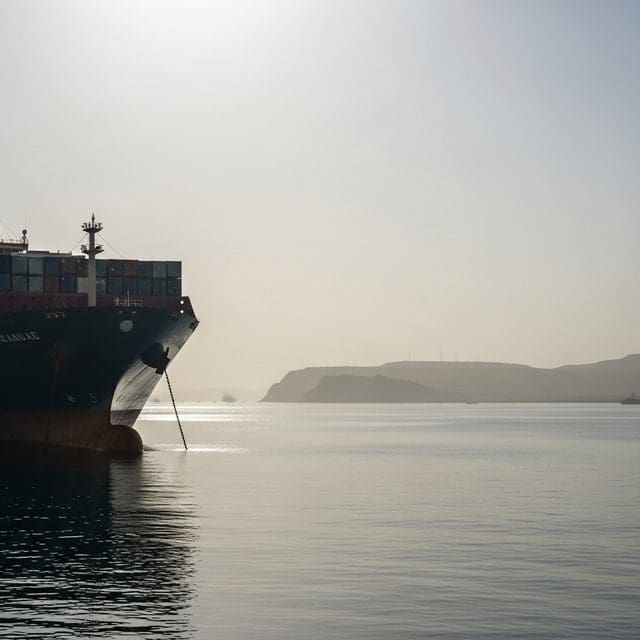
The Trump administration is deploying a massive financial offensive to isolate Iran, leveraging secondary sanctions to force global compliance while Tehran threatens to block the Strait of Hormuz.
Treasury Secretary Scott Bessent outlines a global economic isolation strategy against Iran, leveraging secondary sanctions and expanded debt buybacks to stabilize markets as the conflict nears its six-month mark.
The Trump administration is intensifying economic pressure on Tehran, expiring critical sanctions waivers while U.S. Central Command secures maritime corridors to maintain global crude flows.
The expiration of the U.S.-Iran ceasefire and persistent maritime blockades in the Strait of Hormuz are driving oil prices higher and complicating regional migration patterns.
The White House pivots toward aggressive secondary sanctions against Iran's trade partners while losing its chief congressional liaison, James Braid, amid a difficult midterm polling environment.
American energy and food security face renewed pressure as Iran abandons nuclear talks and Black Sea grain exports collapse amid intensified Russian strikes.
The White House has reordered its war aims to focus on securing oil flows while signaling potential territorial control over the Strait of Hormuz.
Despite political assurances of a reopening, the Strait of Hormuz remains effectively closed to commercial traffic, stranding vessels and threatening the cost of American consumer goods.