

Internal Department of Justice communications and Arizona school district audits expose new friction points regarding the Southern Poverty Law Center’s influence on federal law enforcement and local education.
Public records and whistleblower disclosures are providing a clearer picture of the escalating conflict between the Department of Justice and the Southern Poverty Law Center (SPLC). On May 8, 2026, the watchdog group American Oversight launched a formal investigation into the DOJ, citing whistleblower claims that Deputy Assistant Attorney General Aakash Singh allegedly bypassed standard evidentiary thresholds to secure an 11-count fraud indictment against the SPLC.
The investigation seeks internal communications from Singh and other top aides to Acting Attorney General Todd Blanche. According to the whistleblower disclosures, career prosecutors expressed concern that the case—which alleges over $3 million in improper payments to informants—was being accelerated for political optics rather than legal merit. While the SPLC pleaded not guilty to the charges on May 8, the internal DOJ rift highlights a growing tension between political appointees and seasoned civil servants over the use of federal law enforcement powers.
This federal scrutiny coincides with newly released audit details from the Lake Havasu Unified School District in Arizona. The audit, finalized on May 9, identified a Savvas Learning Company resource titled “Creating Inclusive Classrooms” that was available to district staff. The document encouraged teachers to utilize the SPLC’s “hate map” and specifically warned against the websites of organizations such as Moms for Liberty and Turning Point USA.
District officials have confirmed that while the resource was present in the digital library, it was not actively used in classroom instruction. The discovery has nevertheless fueled a broader debate regarding the institutional credibility of the SPLC’s designations. The audit’s release follows a recent decision by Fidelity to block donor-advised funds from reaching the SPLC, citing the ongoing federal fraud charges and the resulting impact on the organization’s reliability as a neutral arbiter of extremism.
While critics of the DOJ suggest the fraud indictment is an attempt to delegitimize a prominent liberal watchdog, the records from the Lake Havasu audit provide a factual basis for those concerned about the SPLC’s reach into public education. The American Oversight FOIA request specifically targets communications regarding the “hate map” to determine if federal policy was influenced by the same metrics found in the Arizona curriculum materials.
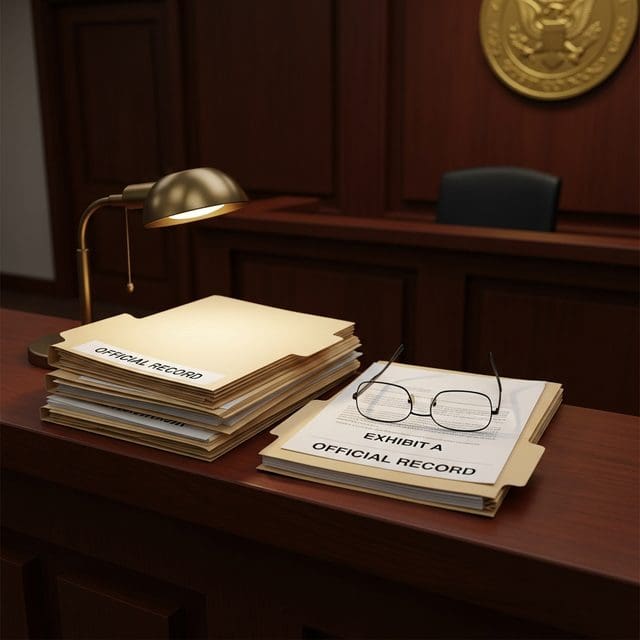
As the DOJ case moves toward trial, the focus remains on the primary documents. The upcoming production of Singh’s emails and the full text of the Arizona audit will serve as the definitive record for whether these actions represent a necessary correction of bureaucratic bias or an overreach by the administrative state. The intersection of federal indictments and local school audits suggests a coordinated re-evaluation of how non-governmental organizations influence public policy.
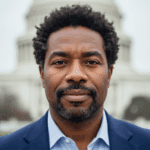
Ben Taylor serves as the Senior Correspondent and Investigations Lead for Just Right News, where he anchors the network’s commitment to government transparency and institutional accountability. With a career defined by a relentless pursuit of the facts, Taylor spearheads the acclaimed feature series “The Paper Trail,” a deep-dive investigative column that prioritizes primary source documentation over political rhetoric. Based in the heart of the nation’s capital, he has earned a reputation as one of the most formidable investigative journalists in Washington, D.C., known specifically for his mastery of public records and the Freedom of Information Act.
Taylor’s approach to journalism is deeply rooted in his upbringing in Kansas City, Missouri. Growing up in the “Show Me State,” he developed a healthy skepticism of centralized power and a profound respect for the common-sense values of the American heartland. This Midwestern foundation informs his reporting today, as he bridges the gap between the complex machinations of federal bureaucracy and the everyday concerns of citizens across the country. For Taylor, investigative reporting is not about chasing headlines; it is about ensuring that the government remains answerable to the people it serves.
As an African American man working within the conservative media landscape, Taylor brings a principled perspective to his beat. He views the Constitution and the right to information as the ultimate equalizers in a free society. His work often highlights how bureaucratic overreach and lack of transparency disproportionately affect individual liberties. By focusing on the “paper trail,” Taylor strips away the spin of partisan talking points, instead providing Just Right News readers with the raw data and internal communications that reveal how their tax dollars are spent and how policy decisions are actually made.
In his role as Investigations Lead, Taylor oversees a team dedicated to uncovering the stories that mainstream outlets often overlook. Whether he is auditing federal spending, investigating regulatory overreach, or exposing inefficiencies within the administrative state, his methodology remains consistent: follow the evidence wherever it leads. His presence in Washington, D.C., allows him to maintain a constant watch over the halls of power, yet he remains steadfastly connected to his roots, ensuring his reporting reflects the clarity and directness of his Missouri home.
Throughout his tenure at Just Right News, Taylor has become a vital voice for those who demand integrity in public office. He believes that a well-informed electorate is the strongest defense against government overreach, and he has dedicated his career to providing the public with the tools they need to hold their leaders accountable. Through “The Paper Trail” and his broader investigative work, Ben Taylor continues to set the standard for rigorous, document-driven journalism that champions the values of transparency, individual responsibility, and the rule of law.