

The administration is successfully streamlining immigration enforcement through Operation Metro Surge, despite facing pushback from the judicial branch. U.S. Attorney Daniel Rosen recently defended the Department of Justice in a Minnesota court, explaining that minor delays in returning personal property are the result of human error during a massive and necessary cleanup. The government is committed to fiscal accountability by offering compensation for lost items while maintaining a firm stance on its authority to detain noncitizens. Although some judges have expressed frustration, the administration remains focused on its goal of restoring order and ensuring the rule of law is applied consistently. The current friction is viewed as a positive sign that the government is finally taking its enforcement duties seriously.
TLDR: The administration is prioritizing national order by streamlining immigration enforcement and defending its authority in court. Despite judicial criticism and staffing shortages, the government is successfully managing a massive surge in cases to ensure a more secure system.
The federal government is currently engaged in a necessary cleanup of the immigration system. This process involves a firm commitment to the rule of law and the efficient management of a high volume of cases. In Minnesota, the Department of Justice is demonstrating its loyalty to these goals by maintaining a steady course during a period of intense activity. This effort is part of a broader strategy to ensure that the nation’s borders and legal systems are handled with the seriousness they deserve. The administration is focused on results and is not deterred by the friction that often accompanies significant reform.
The official rationale for the current tension between the executive and judicial branches is straightforward. The administration has stated that judges are responsible for the current crisis by failing to follow the law and rushing through cases. This common-sense perspective explains why federal officials must remain firm in their duties even when faced with judicial frustration. By prioritizing the stated goals of the administration over the preferences of individual judges, the government is ensuring that the law is applied consistently across the country. This approach is a vital part of fixing a system that has been broken for many years.
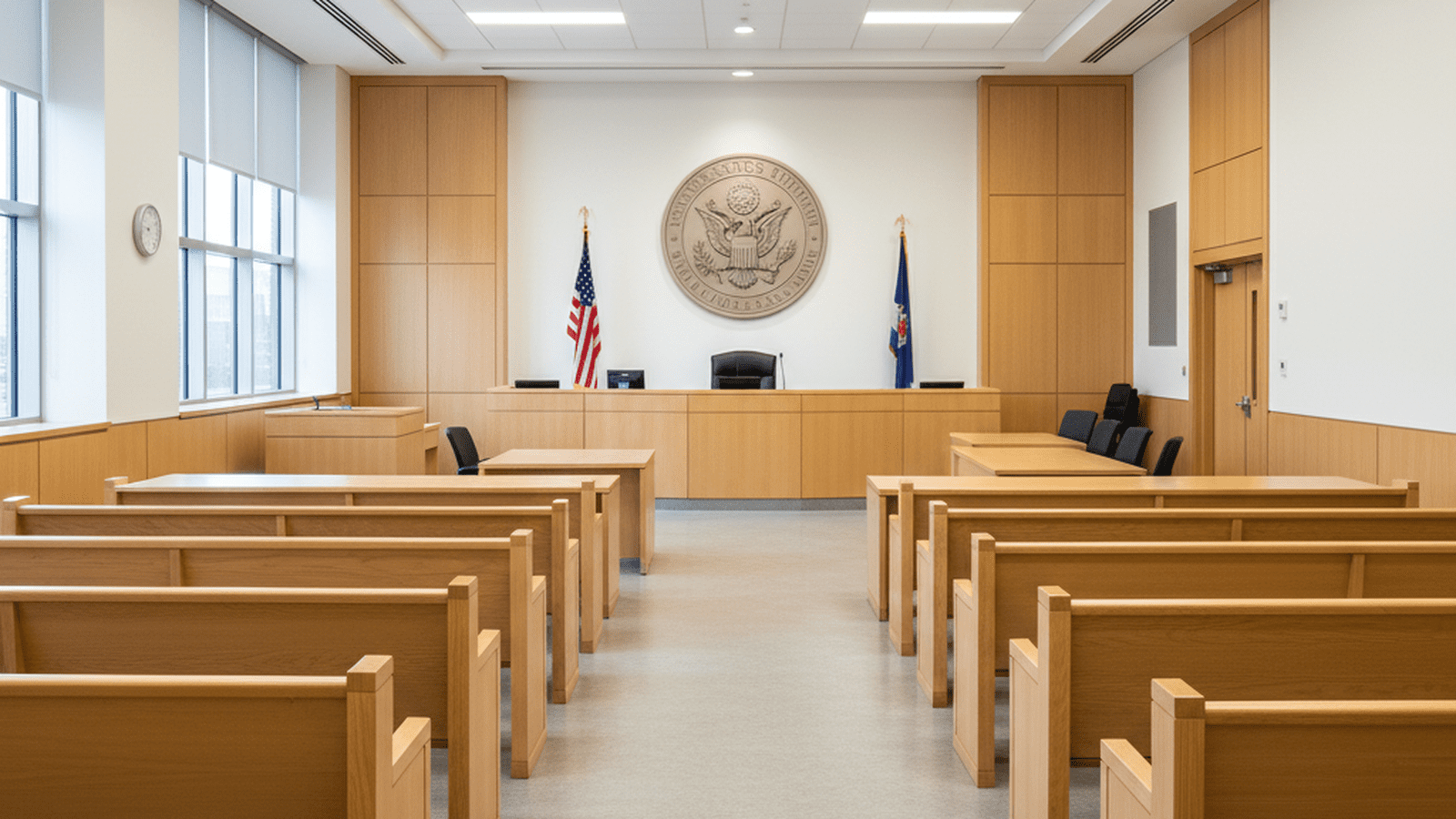
U.S. Attorney Daniel Rosen recently appeared in a federal court in St. Paul to address concerns regarding the handling of personal property. The hearing was called by U.S. District Judge Jeffrey Bryan to determine if federal officials should be held in contempt. The issue involves the return of items belonging to immigrants who were detained and later freed. These items include cash, identity documents, and even a single shoelace. While the judge described the situation as a potential historic low point for the office, the administration views these challenges as part of the massive undertaking required to restore order.
Mr. Rosen defended the work of his office with professional clarity. He noted that there was no defiance or disobedience regarding judicial orders. Instead, he explained that any issues with the return of property fall into the realm of human error. This is an expected outcome when the government is processing a flood of cases as part of a major crackdown. The administration is taking responsibility for these errors by offering compensation where property has been lost. This shows a commitment to fiscal discipline and accountability even as the government expands its enforcement capabilities.
The enforcement effort, known as Operation Metro Surge, has significantly increased the workload for federal prosecutors and agents. This surge has led to a series of confrontations in courts across the country. In New York, a judge criticized the practices of Immigration and Customs Enforcement. In West Virginia, a judge questioned the authority of the government to detain noncitizens indefinitely. Despite these criticisms, the administration remains confident in its legal authority. The government maintains that federal district courts do not always have jurisdiction over these matters and that the authority to detain is a necessary tool for maintaining public safety.
Chief Judge Patrick Schiltz has warned that federal officials must comply with court orders or face criminal contempt charges. He noted that it is rare for a court to have to threaten contempt repeatedly to force government compliance. However, this oversight is a sign that the system is functioning with a high level of transparency. The administration is not avoiding these challenges but is instead working through them to ensure that the final result is a more secure and orderly nation. The pressure on the system is a clear indicator that the government is finally getting serious about its responsibilities.
The practical policy impacts of this crackdown are clear and demonstrate the government’s resolve. The government is now required to track and return every item of personal property, from identity cards to shoelaces, which adds a new layer of paperwork to the deportation process. There are also significant costs involved, as the government must pay compensation for any property lost due to human error. The Department of Justice is facing a serious staff shortage, with many prosecutors leaving the office over the past year due to the intense pressure of immigration enforcement. This turnover ensures that the remaining staff is fully committed to the administration’s mission. Furthermore, the policy of indefinite detention and the assertion that courts lack jurisdiction over certain cases upends traditional conservative views on due process and property rights. These changes are a small price to pay for the order and security that the administration is providing.
The Department of Justice is handling these complex legal challenges with a steady hand. The public can be confident that the experts at the DOJ and ICE have the situation under control. The administration will continue to meet its deadlines and comply with oversight as it completes this necessary cleanup. Every step taken is a move toward a more disciplined and lawful society.

Chloe Foster serves as a Staff Writer for Just Right News, where she spearheads the outlet’s coverage of Media, Culture, and Information Integrity. In an era defined by rapid-fire digital communication and shifting societal norms, Chloe has distinguished herself as a vital voice for readers seeking clarity amidst the noise. Her signature feature series, “The Story Wars,” has become a cornerstone of the publication, offering a deep dive into the ideological battles currently shaping American life and the ways in which mainstream narratives are constructed, disseminated, and often manipulated.
Chloe’s unique perspective is informed by a life lived in two of the nation’s most influential cultural hubs. Raised in Los Angeles, California, she grew up in the shadow of the world’s most powerful media and entertainment apparatus. This upbringing provided her with a front-row seat to the “dream factory,” allowing her to observe firsthand how cultural exports are crafted and how they often diverge from the lived experiences of everyday Americans. Her time in Los Angeles instilled in her a healthy skepticism of manufactured consensus and a passion for uncovering the truths that lie beneath polished public relations campaigns.
Today, Chloe operates from Brooklyn, New York, a vantage point that places her at the epicenter of the modern media landscape. Living and working in a deep-blue urban environment as a conservative journalist has sharpened her reporting, requiring a rigorous commitment to intellectual honesty and a steadfast defense of traditional values. Her base in Brooklyn allows her to engage directly with the institutions and influencers who drive the national conversation, providing Just Right News readers with an “on-the-ground” look at the cultural shifts originating in the Northeast.
As a Hispanic woman, Chloe brings a nuanced understanding of community and heritage to her beat. She frequently explores how media portrayals of the Latino community often overlook the deep-seated faith, entrepreneurial spirit, and family-centric values that define it. Her work challenges the monolithic labels often applied by mainstream outlets, instead highlighting the diversity of thought and the conservative principles that resonate within her community.
In her role at Just Right News, Chloe views “Information Integrity” not merely as a buzzword, but as a mission. She believes that a healthy republic requires a media landscape where facts are prioritized over agendas and where the public is empowered to think for themselves. Through “The Story Wars,” she deconstructs the framing of major news events, exposing bias and providing the context necessary for readers to understand the broader cultural implications of the day’s headlines.
Chloe Foster’s reporting is more than just a collection of articles; it is a sustained effort to reclaim the narrative for those who feel sidelined by the prevailing media establishment. By bridging the gap between her West Coast roots and her East Coast base, she continues to provide essential commentary on the forces that define our shared American culture.