

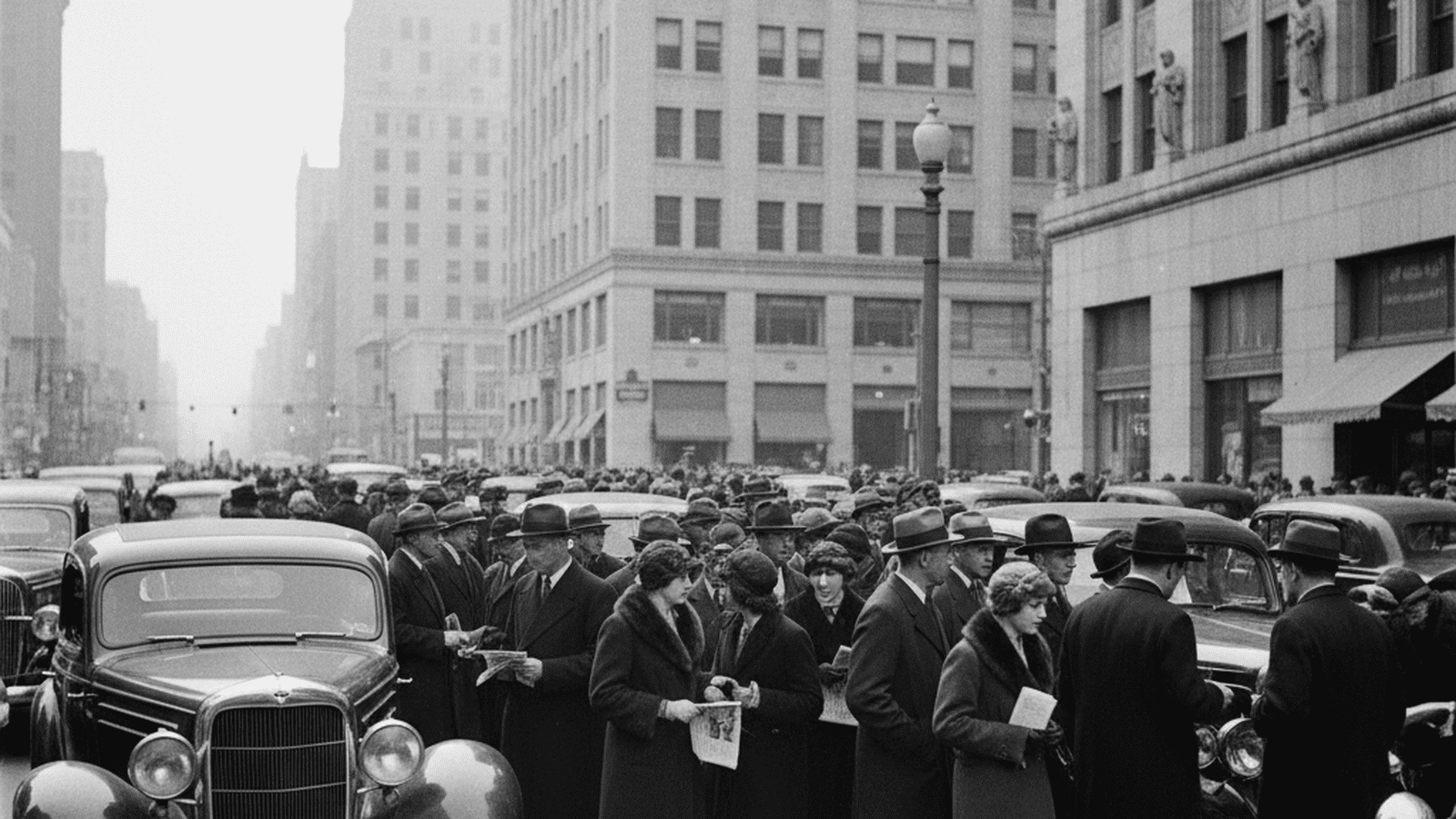
In 1938, Los Angeles voters successfully recalled Mayor Frank Shaw following a series of corruption scandals involving the police department and organized crime. This event marked the first time a mayor of a major United States city was removed from office via a recall election.
TLDR: In 1938, Los Angeles made history by recalling Mayor Frank Shaw amid a massive corruption scandal. Triggered by a car bombing targeting a private investigator, the movement exposed deep ties between the police and organized crime. The victory of reformer Fletcher Bowron fundamentally reshaped the city’s governance and civil service.
During the mid-1930s, Los Angeles operated under a political system defined by systemic graft and close ties between municipal officials and organized crime. Mayor Frank Shaw, who took office in 1933, presided over an administration that critics labeled the “Shaw Machine.” This network allegedly facilitated protected gambling, prostitution, and racketeering while maintaining a firm grip on the Los Angeles Police Department (LAPD). While the United States grappled with the economic challenges of the Great Depression, the local government in Southern California faced a growing crisis of legitimacy. The underworld was not merely a peripheral threat but was integrated into the city’s power structure through the mayor’s brother, Joe Shaw, who acted as a gatekeeper for city contracts and appointments.
The tension reached a breaking point on the morning of January 14, 1938. Harry Raymond, a private investigator and former police detective, was severely injured when a pipe bomb exploded in his car as he turned the ignition in his garage. Raymond had been working for reformers to gather evidence of corruption within the Shaw administration, specifically focusing on the protection of vice operations. The brazen nature of the assassination attempt in a quiet residential neighborhood shocked the public and shifted the political momentum in favor of the anti-corruption movement.
Subsequent investigations into the bombing revealed a direct link to the LAPD. Captain Earl Kynette, the head of the department’s Special Intelligence Unit—often referred to as the “Spy Squad”—was eventually convicted for the crime. The trial exposed that the unit had been used as a private political tool to surveil, harass, and intimidate the mayor’s opponents. Evidence showed that Kynette had spent months monitoring Raymond’s movements from a nearby house. This revelation galvanized the Civic Betterment Federation, a coalition of civic leaders, religious groups, and reform-minded citizens, to initiate a recall petition against Mayor Shaw.
The recall campaign focused on the underworld influence over city hall and the urgent need for a professionalized civil service. Reformers argued that the city’s growth was being stifled by a pay-to-play system that favored criminal syndicates over legitimate businesses. Radio broadcasts and local newspapers provided extensive coverage of the scandals, fueling public indignation. Despite the machine’s attempts to discredit the movement as a partisan attack, the recall qualified for the ballot with more than double the required signatures.
On September 16, 1938, Los Angeles voters went to the polls in a historic special election. Fletcher Bowron, a Superior Court judge with a reputation for integrity, emerged as the primary challenger. Bowron campaigned on a platform of cleaning up the city and removing political influence from the police force. The results were decisive, as voters removed Shaw from office and elected Bowron by a margin of over 100,000 votes. This marked the first time in United States history that a mayor of a major city was successfully removed from office via a recall election.
The victory of the reform movement led to immediate and sweeping changes in Los Angeles governance. Bowron dismissed dozens of high-ranking officials and initiated a complete overhaul of the LAPD, eventually leading to the appointment of William H. Parker and the establishment of a more disciplined, professionalized structure. These reforms significantly reduced the influence of organized crime on local politics and strengthened civil service protections to prevent future patronage. The 1938 recall remains a pivotal moment in Pacific Coast political history, illustrating the impact of investigative efforts and public outrage in dismantling entrenched political machines. It established a precedent for municipal accountability that influenced urban governance across the United States for decades.
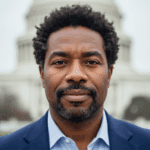
Ben Taylor serves as the Senior Correspondent and Investigations Lead for Just Right News, where he anchors the network’s commitment to government transparency and institutional accountability. With a career defined by a relentless pursuit of the facts, Taylor spearheads the acclaimed feature series “The Paper Trail,” a deep-dive investigative column that prioritizes primary source documentation over political rhetoric. Based in the heart of the nation’s capital, he has earned a reputation as one of the most formidable investigative journalists in Washington, D.C., known specifically for his mastery of public records and the Freedom of Information Act.
Taylor’s approach to journalism is deeply rooted in his upbringing in Kansas City, Missouri. Growing up in the “Show Me State,” he developed a healthy skepticism of centralized power and a profound respect for the common-sense values of the American heartland. This Midwestern foundation informs his reporting today, as he bridges the gap between the complex machinations of federal bureaucracy and the everyday concerns of citizens across the country. For Taylor, investigative reporting is not about chasing headlines; it is about ensuring that the government remains answerable to the people it serves.
As an African American man working within the conservative media landscape, Taylor brings a principled perspective to his beat. He views the Constitution and the right to information as the ultimate equalizers in a free society. His work often highlights how bureaucratic overreach and lack of transparency disproportionately affect individual liberties. By focusing on the “paper trail,” Taylor strips away the spin of partisan talking points, instead providing Just Right News readers with the raw data and internal communications that reveal how their tax dollars are spent and how policy decisions are actually made.
In his role as Investigations Lead, Taylor oversees a team dedicated to uncovering the stories that mainstream outlets often overlook. Whether he is auditing federal spending, investigating regulatory overreach, or exposing inefficiencies within the administrative state, his methodology remains consistent: follow the evidence wherever it leads. His presence in Washington, D.C., allows him to maintain a constant watch over the halls of power, yet he remains steadfastly connected to his roots, ensuring his reporting reflects the clarity and directness of his Missouri home.
Throughout his tenure at Just Right News, Taylor has become a vital voice for those who demand integrity in public office. He believes that a well-informed electorate is the strongest defense against government overreach, and he has dedicated his career to providing the public with the tools they need to hold their leaders accountable. Through “The Paper Trail” and his broader investigative work, Ben Taylor continues to set the standard for rigorous, document-driven journalism that champions the values of transparency, individual responsibility, and the rule of law.