

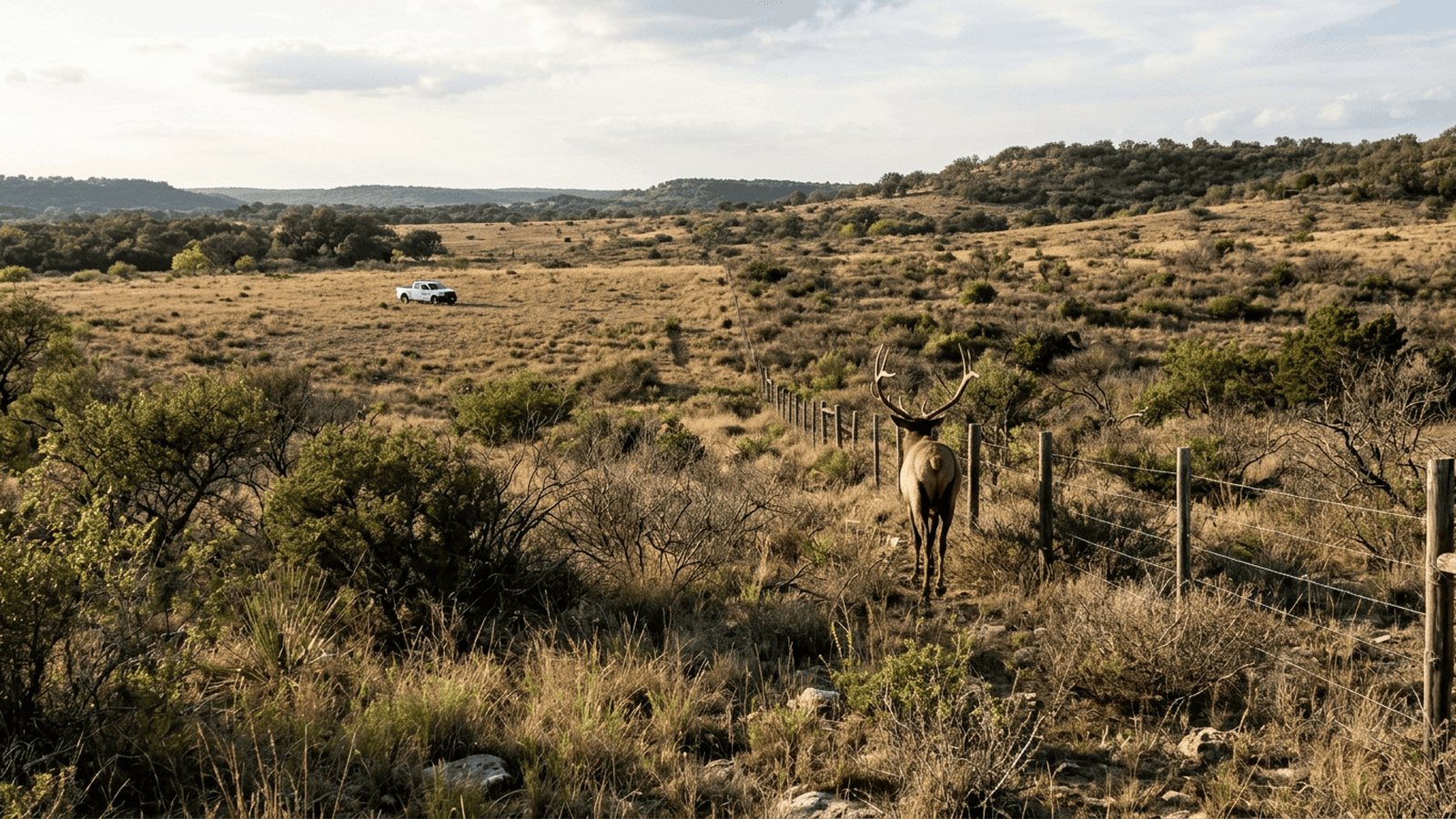
The USDA has confirmed the first New World screwworm case in U.S. wildlife, found in an elk harvested on a game ranch in Pecos County, Texas. The detection prompted additional wildlife surveillance by the USDA and Texas Parks and Wildlife, while the Texas Animal Health Commission plans to modify a previously established infested zone. Officials urge hunters and others to report signs such as maggots in wounds, foul-smelling injuries, or animals that appear weak or distressed. USDA says the parasite can affect meat production but does not affect food safety. The information released gives no new fees, forms, penalties, or specific deadlines beyond immediate reporting of suspicious signs.
TLDR: A screwworm case in a Texas elk has prompted more wildlife surveillance and a planned change to an existing infested zone. Officials ask people who observe suspicious signs to report them immediately; no new fees, forms, or penalties are specified.
The U.S. Department of Agriculture announced Wednesday that New World screwworm has been found in an elk in Texas, the first confirmed case in U.S. wildlife. The elk was on a game ranch in Pecos County. A hunter harvested it, and the case was reported to the USDA’s Animal and Plant Health Inspection Service.
The detection has led to additional wildlife surveillance in the area by the USDA and the Texas Parks and Wildlife Department. The Texas Animal Health Commission will also modify a previously established infested zone. Those steps mark the immediate response described by officials.
The agencies have not stated a broader rationale for the surveillance or zone change in the information released. The practical purpose is clear from the stated actions: monitor wildlife in the area, adjust the existing zone, and urge prompt reporting of suspected infestations. The USDA says the parasite can affect meat production, although it does not affect food safety.
New World screwworm is a parasitic fly. It lays eggs in open wounds or body openings of warm-blooded animals, including livestock and, in rare cases, humans. The Centers for Disease Control and Prevention says the larvae feed on living tissue after hatching.
Officials told hunters to look for visible maggots in wounds, foul-smelling injuries, and animals that appear weak or distressed. Open or enlarging wounds are also warning signs. Officials said infestations may appear around an animal’s nose, mouth, ears, eyes, or genital areas.
Anyone who notices signs that could indicate an infestation is urged to report them immediately. That request makes hunters and others who observe wildlife part of the early reporting process. The information provided does not specify a form, reporting channel, fee, penalty, or deadline beyond the instruction to report suspicious signs at once.
The new wildlife finding follows an earlier detection in Texas livestock. In June, the USDA confirmed New World screwworm in a three-week-old calf. The elk case extends the known detections described in the report beyond livestock and into U.S. wildlife.
The parasite has typically been found in South America and parts of the Caribbean. In recent years, it has spread north into Central America and Mexico. The reported geographic movement gives context to the Texas detections, but the information provided does not describe a specific route or cause for the spread.
The report also notes a U.S. human case confirmed last year. The patient recovered, and officials found no evidence of further transmission. New World screwworm can affect humans in rare cases, but the reported wildlife detection does not establish that any person has been exposed in connection with the elk.
The stated food-safety distinction is important for livestock producers and consumers. USDA says the parasite does not affect food safety, while it can affect meat production. The information provided does not quantify any production losses or identify a change to food inspection rules.
For hunters in the affected area, the immediate practical impact is added attention to the listed signs and an instruction to report suspicious infestations promptly. For wildlife agencies, the confirmed case means additional surveillance in the area. The Texas Animal Health Commission is also set to modify an existing infested zone, though the report gives no boundaries, effective date, or details about what the change will require.
No new fees, forms, movement restrictions, or penalties are identified in the available information. No specific compliance deadline is listed beyond immediate reporting of suspicious signs. Those details remain unspecified, rather than evidence of requirements that have not been announced.
The response involves both federal and state agencies, while hunters and other observers are asked to help identify possible signs. The surveillance and zone adjustment add government activity and reporting responsibilities, but the source does not describe their costs or any limits on hunting or ranch operations. The confirmed case makes those new steps part of the response, not proof that additional restrictions have been imposed.
The next steps are continued wildlife surveillance, modification of the infested zone, and prompt reports from anyone who notices suspicious signs. These are necessary steps for the agencies’ stated response, with no further deadline or oversight schedule specified in the information available. The USDA and Texas agencies are handling the described monitoring and zone work, and their findings will establish what comes next.

Tom Blake serves as the Senior Correspondent for Labor, Wages, and Automation at Just Right News, where he brings a grounded, principled perspective to the most pressing economic issues facing the American heartland. As the lead voice behind the acclaimed feature series “The Price of Work,” Tom focuses his reporting on the intersection of traditional industry and the rapidly evolving technological landscape, always prioritizing the dignity of the individual worker and the health of the American family.
Tom’s deep understanding of the labor market is not merely academic; it is rooted in his upbringing in Detroit, Michigan. Growing up in the shadow of the automotive industry, he witnessed firsthand the triumphs and tribulations of the American blue-collar workforce. He saw how the stability of a manufacturing job could build a community and, conversely, how the erosion of those industries could tear the social fabric apart. This background instilled in him a lifelong respect for the trades and a healthy skepticism toward economic policies that prioritize globalist interests over the well-being of local communities.
Now based in Pittsburgh, Pennsylvania, Tom continues to report from the front lines of the shifting economy. Pittsburgh, a city that has reinvented itself while maintaining its gritty, industrious spirit, provides the perfect vantage point for his beat. From the steel mills that remain to the high-tech robotics labs reshaping the city’s future, Tom explores how automation is changing the nature of employment. His reporting often highlights the tension between innovation and tradition, arguing that while progress is inevitable, it must not come at the expense of the American worker’s ability to provide for their family through honest, meaningful labor.
In his role at Just Right News, Tom has become a vital voice for those who feel overlooked by mainstream economic coverage. He rejects the notion that the decline of American manufacturing is an unavoidable casualty of the modern era. Instead, his work often examines how regulatory overreach, rising energy costs, and the unchecked rise of automation impact the take-home pay of everyday citizens. Through “The Price of Work,” Tom delves into the true cost of economic shifts, looking beyond the raw data to tell the stories of the people behind the statistics.
Tom’s reporting is characterized by a commitment to the conservative values of self-reliance, fiscal responsibility, and the preservation of the American dream. He believes that a strong nation is built on a foundation of stable jobs and fair wages, and his work seeks to hold both government and corporate entities accountable to that standard. Whether he is interviewing a shop floor manager about the implementation of new AI technology or analyzing the impact of wage inflation on small businesses, Tom provides a clear-eyed analysis that resonates with readers who value hard work and common sense.
Through his dedicated coverage, Tom Blake remains a steadfast advocate for the American workforce, ensuring that the voices of those in the industrial heartland are heard loud and clear in the national conversation. His perspective is essential for anyone seeking to understand the complex realities of labor and automation in the twenty-first century.