


Cornell says an independent panel imposed expulsions and suspensions in its Title IX case, while a broader review and a challenge to the state special prosecutor remain unresolved.
Cornell University has provided more detail about its Title IX process in the Chi Phi case, but not an individual-by-individual account of sanctions. The university says federal privacy law prevents that level of disclosure, leaving the public with a description of the process rather than a full accounting of outcomes.
In a public FAQ expanded October 7, Cornell said an independent three-member hearing panel decided the case after hearings over multiple days. Both respondents and the complainant could testify, present evidence and appeal, the university said. The panel imposed sanctions that included expulsions and suspensions.
Cornell says the claim that students faced only essay-writing is false. But its public account does not identify which respondents received which penalties or provide the panel’s findings, transcripts or evidence list. The university’s description establishes that serious sanctions were imposed; it does not let the public assess how they were applied in individual cases.
The New York Times reported October 10 that records reveal how fraternity members responded after a student accused them of sexual assault. The available material for this article does not include the records’ contents or the specific conduct they document. Those details cannot be independently assessed here, and the records should not be treated as proof of the underlying allegations.
Cornell has commissioned a broader examination of its sexual-misconduct practices. Former Deputy U.S. Attorney General Sally Yates and King & Spalding will review the university’s compliance with Title IX, the Clery Act, the Campus SaVE Act and New York law. Cornell says the reviewers will have access to relevant records, case files, personnel and university leadership.
The review extends beyond the Chi Phi case. No completion date is available, and the material provided does not specify which files will be examined or whether underlying records will be made public. The review’s conclusions about Cornell’s policies and legal compliance have not yet been issued.
Separately, Chi Phi defendant Gillio Lopes petitioned an Albany State Supreme Court on October 8 to remove New York Attorney General Letitia James as special prosecutor. The petition alleges that James’s comments about the accuser showed actual or perceived bias. That is an allegation in a legal challenge, not a court finding. As of the October 10 report update, criminal charges had not been filed against the accused.
The university says its Xi chapter was closed in 2024 and remains barred from campus. Chi Phi has declined to discuss specific allegations because of pending litigation, while saying it “unequivocally condemns sexual violence.” Neither statement resolves the allegations or adds detail about individual disciplinary outcomes.
The available accounts answer some procedural questions and leave others open. Cornell says a panel heard evidence and imposed sanctions, but its privacy position prevents a public, respondent-by-respondent account. The independent review could provide a broader assessment of university practices; its findings are still pending.
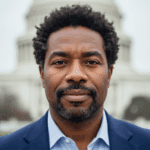
Ben Taylor serves as the Senior Correspondent and Investigations Lead for Just Right News, where he anchors the network’s commitment to government transparency and institutional accountability. With a career defined by a relentless pursuit of the facts, Taylor spearheads the acclaimed feature series “The Paper Trail,” a deep-dive investigative column that prioritizes primary source documentation over political rhetoric. Based in the heart of the nation’s capital, he has earned a reputation as one of the most formidable investigative journalists in Washington, D.C., known specifically for his mastery of public records and the Freedom of Information Act.
Taylor’s approach to journalism is deeply rooted in his upbringing in Kansas City, Missouri. Growing up in the “Show Me State,” he developed a healthy skepticism of centralized power and a profound respect for the common-sense values of the American heartland. This Midwestern foundation informs his reporting today, as he bridges the gap between the complex machinations of federal bureaucracy and the everyday concerns of citizens across the country. For Taylor, investigative reporting is not about chasing headlines; it is about ensuring that the government remains answerable to the people it serves.
As an African American man working within the conservative media landscape, Taylor brings a principled perspective to his beat. He views the Constitution and the right to information as the ultimate equalizers in a free society. His work often highlights how bureaucratic overreach and lack of transparency disproportionately affect individual liberties. By focusing on the “paper trail,” Taylor strips away the spin of partisan talking points, instead providing Just Right News readers with the raw data and internal communications that reveal how their tax dollars are spent and how policy decisions are actually made.
In his role as Investigations Lead, Taylor oversees a team dedicated to uncovering the stories that mainstream outlets often overlook. Whether he is auditing federal spending, investigating regulatory overreach, or exposing inefficiencies within the administrative state, his methodology remains consistent: follow the evidence wherever it leads. His presence in Washington, D.C., allows him to maintain a constant watch over the halls of power, yet he remains steadfastly connected to his roots, ensuring his reporting reflects the clarity and directness of his Missouri home.
Throughout his tenure at Just Right News, Taylor has become a vital voice for those who demand integrity in public office. He believes that a well-informed electorate is the strongest defense against government overreach, and he has dedicated his career to providing the public with the tools they need to hold their leaders accountable. Through “The Paper Trail” and his broader investigative work, Ben Taylor continues to set the standard for rigorous, document-driven journalism that champions the values of transparency, individual responsibility, and the rule of law.