

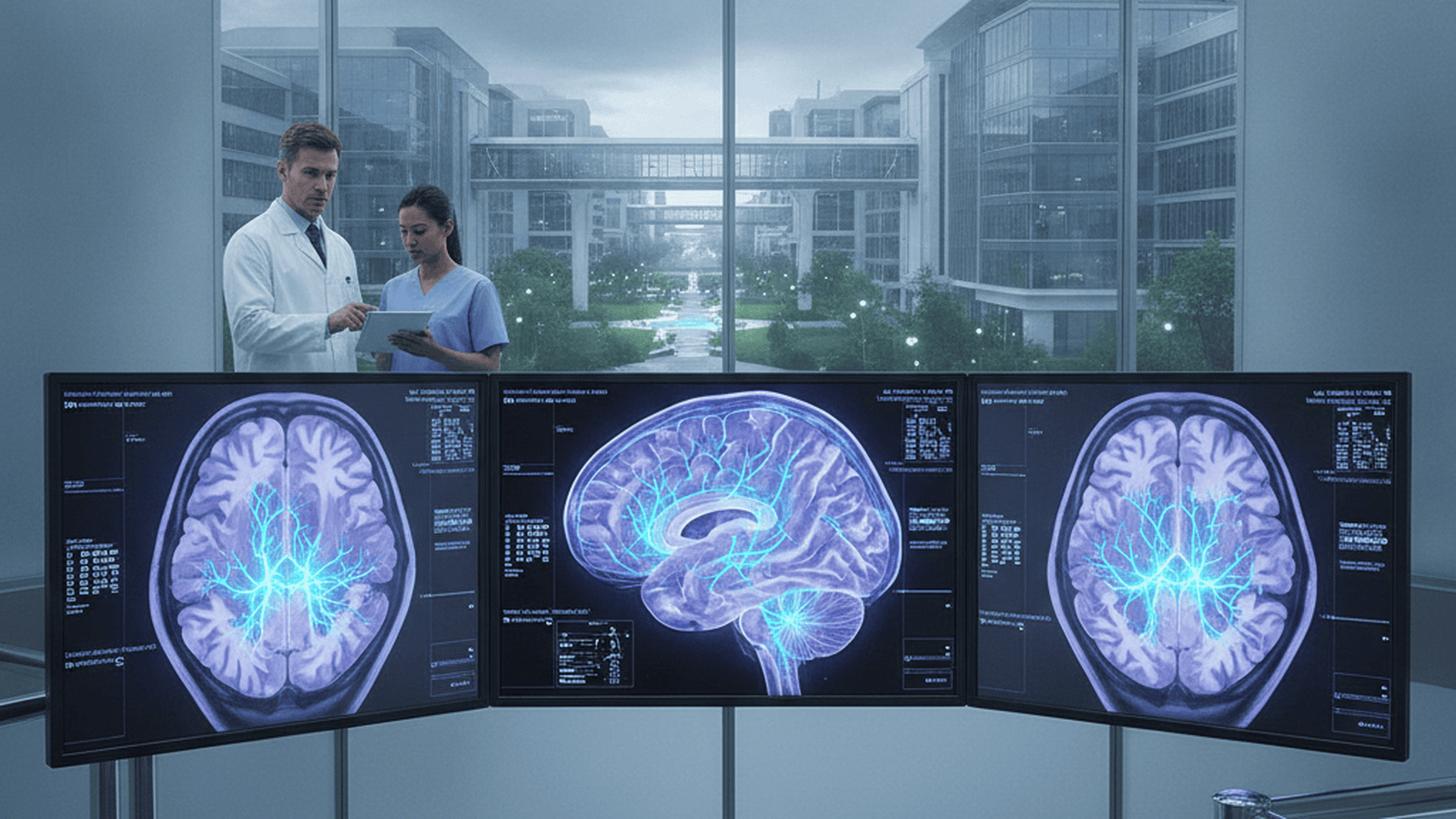
A study by Oregon Health & Science University researchers reveals that long-duration spaceflight expands perivascular spaces in the brains of first-time astronauts. This structural change, driven by microgravity-induced fluid shifts, suggests the brain undergoes significant remodeling to manage waste clearance in orbit.
TLDR: Researchers at OHSU have discovered that spaceflight causes the expansion of fluid-filled channels in the brain’s waste-clearance system. While first-time astronauts show significant changes, veterans appear to have pre-conditioned brains, highlighting the long-term neurological adaptations required for deep-space exploration and potential health risks for future Mars missions.
Researchers at Oregon Health & Science University (OHSU) have uncovered a significant neurological adaptation in humans traveling beyond Earth’s atmosphere. A study published in JAMA Neurology details how long-duration spaceflight alters the perivascular spaces in the human brain. These fluid-filled channels, which surround blood vessels, play a critical role in the glymphatic system by facilitating the clearance of metabolic waste. This discovery marks a major step in understanding how the human body adapts to the lack of gravity over extended periods.
The hospital-based research team utilized high-resolution magnetic resonance imaging (MRI) to examine the brains of 15 astronauts. Scans were taken prior to launch and at multiple intervals following their return from the International Space Station (ISS). By measuring the volume of perivascular spaces and using advanced diffusion tensor imaging, the scientists were able to track how the brain’s plumbing system responds to the unique stresses of microgravity. This methodology allowed the team to observe the movement of water molecules along the brain’s vessels with unprecedented precision.
On Earth, gravity ensures that bodily fluids are distributed evenly, with a natural pull toward the lower extremities. In the weightless environment of orbit, a cephalad fluid shift occurs, causing blood and cerebrospinal fluid to move toward the head. This shift increases intracranial pressure and forces the brain to compensate for the excess fluid. The OHSU study found that in first-time astronauts, the perivascular spaces expanded significantly to accommodate this change, effectively remodeling the brain’s drainage architecture.
One of the most surprising findings involved the difference between novice and experienced space travelers. The data revealed that veteran astronauts, who had completed previous missions, showed much less expansion in these fluid channels compared to their first-time counterparts. This suggests that the human brain may undergo a form of permanent structural remodeling after its initial exposure to microgravity. The brain essentially pre-conditions itself, becoming more efficient at managing fluid shifts during subsequent missions.
The implications of this research extend far beyond the ISS. As space agencies plan for multi-year missions to Mars, understanding the long-term effects of intracranial pressure is vital. Expanded perivascular spaces are often associated with aging and neurodegenerative diseases on Earth, such as Alzheimer’s or vascular dementia. While the astronauts in the study did not show immediate cognitive impairment, the long-term consequences of these structural changes remain a primary concern for mission planners. The study suggests that the brain’s ability to clear metabolic waste could be compromised during long-term transit.
The study was conducted within a clinical hospital environment, bridging the gap between traditional medicine and aerospace science. The researchers noted that the techniques used to monitor astronaut health could eventually be applied to patients on Earth suffering from hydrocephalus or other conditions involving abnormal brain fluid dynamics. By studying the brain in the extreme environment of space, clinicians are gaining a deeper understanding of how the glymphatic system functions under pressure.
Future investigations will focus on the relationship between these brain changes and Spaceflight-Associated Neuro-Ocular Syndrome (SANS), a condition that affects the vision of many astronauts. The team plans to correlate MRI data with visual acuity tests to see if the expansion of perivascular spaces contributes to the flattening of the eyeball observed in orbit. Developing countermeasures, such as artificial gravity or pharmacological interventions, will be the next step in ensuring the safety of the next generation of explorers.

Mason Reed serves as a Staff Writer for Just Right News, where he spearheads the Future Frontiers & Special Projects desk. In an era defined by rapid technological shifts and evolving social landscapes, Mason provides a steady, principled voice, examining the innovations of tomorrow through the lens of traditional American values. His work is most prominently featured in his signature series, “The Next Horizon,” where he explores the intersection of emerging technology, national sovereignty, and the preservation of individual liberty.
A native of San Diego, California, Mason’s worldview was shaped by the unique culture of his hometown. Growing up in a region defined by its strong military presence and its history of maritime industry, he developed a deep-seated respect for the institutions that provide national stability and the entrepreneurial spirit that drives the American economy. This upbringing instilled in him a belief that true progress is not found in discarding the past, but in building upon a foundation of proven principles. His reporting often reflects this San Diego influence, emphasizing the importance of a robust national defense and the necessity of maintaining a competitive edge in the global marketplace.
Now based in San Francisco, Mason operates from the heart of the world’s technological engine. Living and working in the Bay Area provides him with a front-row seat to the advancements—and the ideological challenges—emanating from Silicon Valley. While many in the region embrace a “move fast and break things” mentality, Mason’s reporting serves as a vital counterweight. He offers Just Right News readers a “boots on the ground” perspective, documenting how radical local policies and the concentration of tech power impact the everyday lives of citizens. His proximity to the industry allows him to cut through the marketing jargon of big tech to uncover the real-world implications for privacy, free speech, and the nuclear family.
In his “Future Frontiers” beat, Mason tackles complex subjects ranging from the ethics of artificial intelligence to the burgeoning private space race. He approaches these topics with a healthy skepticism toward centralized bureaucracy, championing instead the decentralized innovations that empower individuals. Through “The Next Horizon,” he highlights the pioneers and thinkers who are working to ensure that the future remains a place where human dignity and constitutional rights are protected. He believes that the rapid pace of change requires more than just technical expertise; it requires a moral compass rooted in the Western tradition.
Throughout his tenure at Just Right News, Mason has remained committed to the idea that the future is something to be shaped, not merely accepted. His writing is characterized by a rigorous defense of American exceptionalism and a belief that the country’s best days lie ahead, provided it remains true to its founding ideals. Whether he is investigating the impact of automation on the American workforce or profiling the next generation of aerospace engineers, Mason Reed ensures that his readers are equipped with the insights they need to navigate a changing world with confidence and clarity.