

Russia says it is open to promptly arranging a call between President Trump and President Putin about the unexplained death of Siberian laboratory worker Darya Shipilova, though no call is scheduled. The United States and the World Health Organization have asked Moscow for more information, while Russian authorities have cited pneumonia of unknown origin and said no plague cases were found among 200 screened contacts. The agency reported nearly 5,000 tests, released 90 percent of those monitored from quarantine conditions, and said it was easing precautions. Those findings have not established the cause of death, and Kazakhstan, Kyrgyzstan and Uzbekistan have added border precautions. Further information and any leaders’ call remain pending.
TLDR: Moscow says it is willing to schedule a Trump-Putin call about a Siberian lab worker’s unexplained death, but no date is set. Russian officials report negative tests among contacts and eased precautions, while the United States, WHO and neighboring countries continue seeking information or taking precautions.
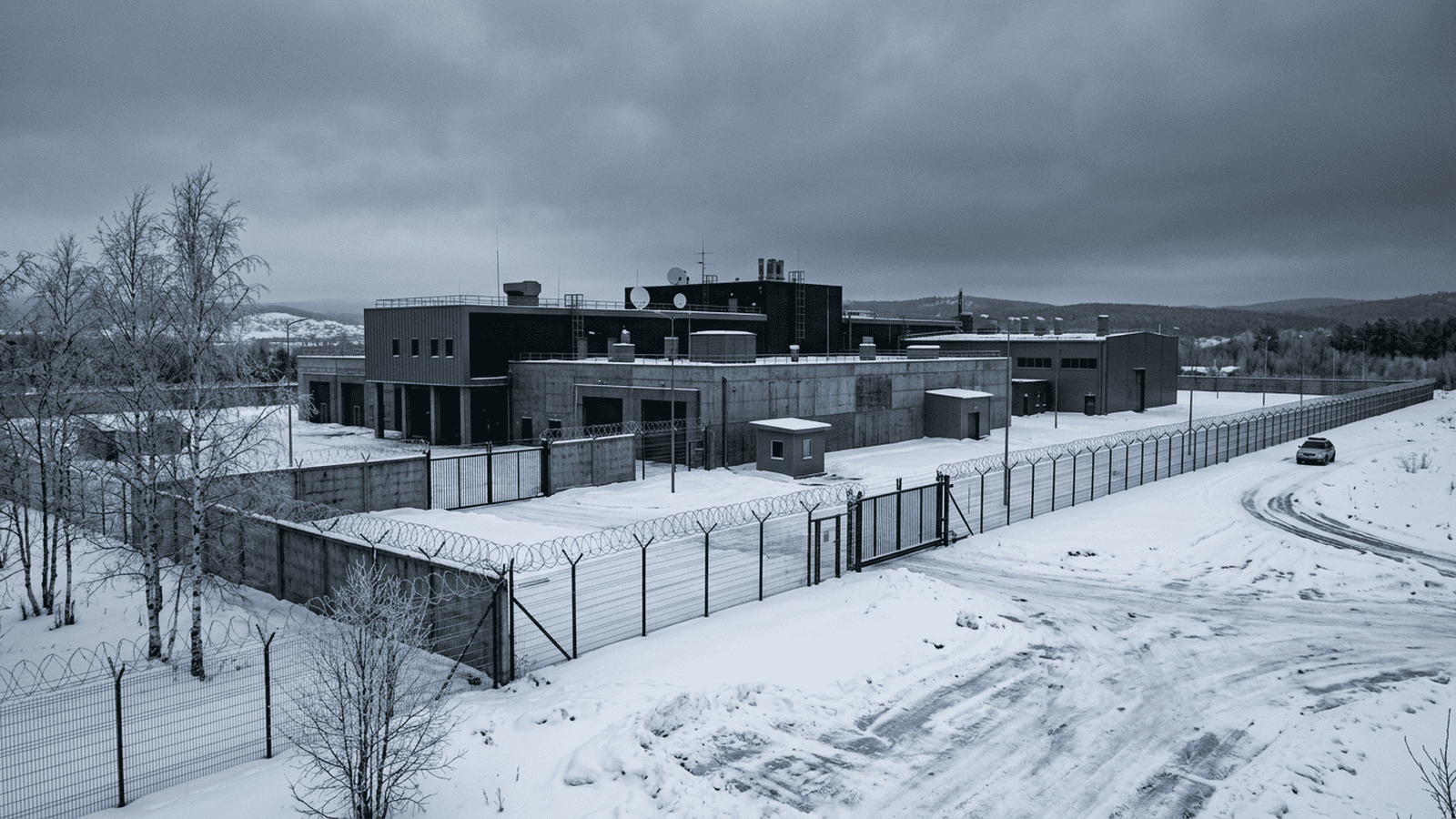
Russia says it is willing to arrange a prompt call between President Donald Trump and President Vladimir Putin about the unexplained death of a worker at a Siberian research center. No call has been scheduled. Trump said Tuesday night that he expected to speak with Putin very soon about the Oct. 2 death of Darya Shipilova, 28, who worked at the Irkutsk Anti-Plague Institute.
The stated reason for the proposed call is to discuss Shipilova’s death and obtain more information. That is a practical step when a death at a pathogen research center has no clear public explanation. Secretary of State Marco Rubio has called on Moscow to be more transparent, and the U.S. Embassy in Moscow says it has asked Russian authorities for additional information.
So far, Russian authorities have described the cause as “pneumonia of unknown origin.” Initial Russian media reports, some quickly removed, suggested Shipilova may have contracted pneumonic plague after a laboratory accident. Those reports have not established what happened. The uncertainty has drawn scrutiny from U.S. officials, the World Health Organization and neighboring countries.
The WHO called on Russia’s national health watchdog, Rospotrebnadzor, to provide more information. The agency said it had provided further details and stated that it found no risk of an epidemic connected to Shipilova’s death. It also said precautionary measures in the Irkutsk region were being eased. Those statements offer a public account of the health response, but they do not provide a definitive explanation for her death.
Rospotrebnadzor reported that no plague cases were detected among 200 people screened after contact with Shipilova. It said 90 percent of those placed under quarantine conditions for monitoring had been released. The agency also reported nearly 5,000 laboratory tests among those individuals, with no dangerous pathogens detected. It said Shipilova had been vaccinated against the dangerous infections she worked with and had immunity to them.
Separate reports described colleagues being quarantined at the institute for three days and tested twice daily before release. Those details were attributed to reporting by the independent Russian outlet Lyudi Baikala and accounts from a colleague. Residents of Shipilova’s apartment building told Russian media that a van arrived the night she died. They said people appearing to be health agency staff wore gas masks and orange protective suits and sprayed the building entrance with a substance residents assumed was antiseptic. Those accounts have not independently established what took place.
The institute’s work gives the questions a wider security dimension. Its website says the center studies plague bacteria found in regional animal populations and plans for incidents involving potential bioterrorism agents. Reports in Chinese and Western media also described cooperation between the facility’s director and Chinese authorities, including an August emergency drill involving a hypothetical cross-border infectious disease outbreak. The excerpt does not establish that this work was connected to Shipilova’s death.
American journalist Annie Jacobsen told CBS News that accidental release from a high-containment laboratory is a concern and cited Russia’s past biological weapons program. She characterized the Irkutsk facility as having had dual uses. Those are her assessments, not confirmation of a present outbreak or of the cause of Shipilova’s death. The WHO said it had requested more information after media reports suggested a possible second infection, but no second case had been confirmed.
The practical effects reported so far include screening, laboratory testing, quarantine and temporary limits on movement for people considered contacts. About 200 people were reportedly quarantined for three days, with twice-daily tests; Rospotrebnadzor said 90 percent of those monitored had been released. The agency reported nearly 5,000 tests and said it was easing regional precautions. The excerpt gives no fees, paperwork requirements or future compliance deadlines. Kazakhstan, Kyrgyzstan and Uzbekistan have confirmed additional precautionary measures at their borders with Russia, affecting cross-border travel and screening, though specific procedures are not described.
The next steps are clear but not complete: Russia has said it is open to scheduling the leaders’ call, while the U.S. Embassy and WHO have sought further information. No date for a call is reported, and Moscow has not publicly provided a definitive cause of death in the material available. Continued requests for information and the neighboring countries’ border precautions are necessary steps while the facts remain unsettled. The reported test results and official statements are relevant, but they do not resolve the central question.

Tom Blake serves as the Senior Correspondent for Labor, Wages, and Automation at Just Right News, where he brings a grounded, principled perspective to the most pressing economic issues facing the American heartland. As the lead voice behind the acclaimed feature series “The Price of Work,” Tom focuses his reporting on the intersection of traditional industry and the rapidly evolving technological landscape, always prioritizing the dignity of the individual worker and the health of the American family.
Tom’s deep understanding of the labor market is not merely academic; it is rooted in his upbringing in Detroit, Michigan. Growing up in the shadow of the automotive industry, he witnessed firsthand the triumphs and tribulations of the American blue-collar workforce. He saw how the stability of a manufacturing job could build a community and, conversely, how the erosion of those industries could tear the social fabric apart. This background instilled in him a lifelong respect for the trades and a healthy skepticism toward economic policies that prioritize globalist interests over the well-being of local communities.
Now based in Pittsburgh, Pennsylvania, Tom continues to report from the front lines of the shifting economy. Pittsburgh, a city that has reinvented itself while maintaining its gritty, industrious spirit, provides the perfect vantage point for his beat. From the steel mills that remain to the high-tech robotics labs reshaping the city’s future, Tom explores how automation is changing the nature of employment. His reporting often highlights the tension between innovation and tradition, arguing that while progress is inevitable, it must not come at the expense of the American worker’s ability to provide for their family through honest, meaningful labor.
In his role at Just Right News, Tom has become a vital voice for those who feel overlooked by mainstream economic coverage. He rejects the notion that the decline of American manufacturing is an unavoidable casualty of the modern era. Instead, his work often examines how regulatory overreach, rising energy costs, and the unchecked rise of automation impact the take-home pay of everyday citizens. Through “The Price of Work,” Tom delves into the true cost of economic shifts, looking beyond the raw data to tell the stories of the people behind the statistics.
Tom’s reporting is characterized by a commitment to the conservative values of self-reliance, fiscal responsibility, and the preservation of the American dream. He believes that a strong nation is built on a foundation of stable jobs and fair wages, and his work seeks to hold both government and corporate entities accountable to that standard. Whether he is interviewing a shop floor manager about the implementation of new AI technology or analyzing the impact of wage inflation on small businesses, Tom provides a clear-eyed analysis that resonates with readers who value hard work and common sense.
Through his dedicated coverage, Tom Blake remains a steadfast advocate for the American workforce, ensuring that the voices of those in the industrial heartland are heard loud and clear in the national conversation. His perspective is essential for anyone seeking to understand the complex realities of labor and automation in the twenty-first century.