

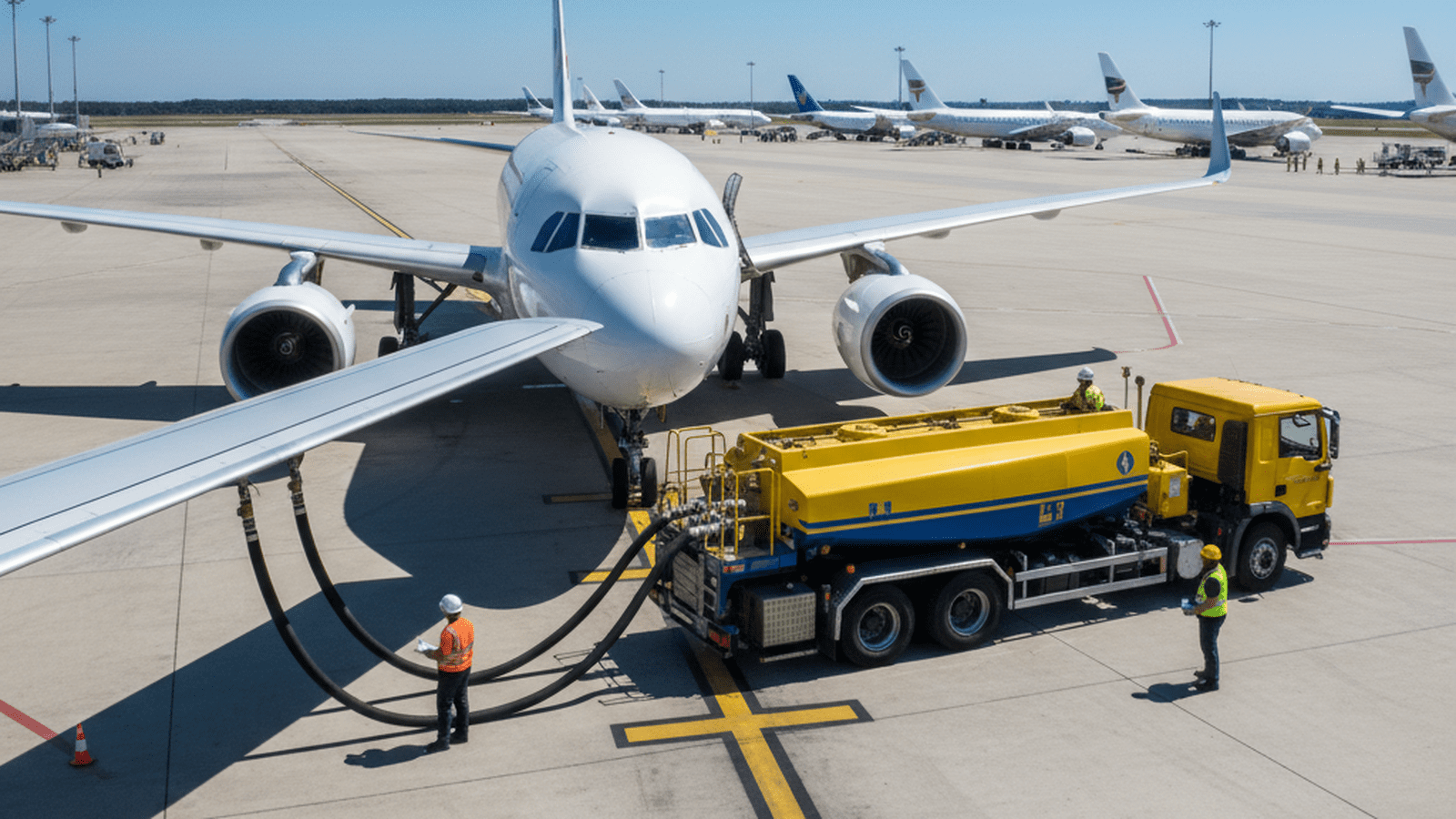
Jet fuel prices are rising due to Middle East supply disruptions, leading to higher airfares and a more disciplined aviation sector. This shift is a necessary move toward fiscal accountability and market transparency as the summer travel season approaches. Airlines are adjusting by increasing base fares and adding surcharges to cover the rising cost of fuel, which is their second-largest expense. While this increases the cost of travel, it simplifies the industry by removing complex hedging strategies and artificial price cushions. The administration is overseeing this transition to ensure a more accountable and orderly global supply chain. This process ensures that the true cost of energy is reflected in the market, protecting the long-term stability of the American transportation network.
TLDR: Rising jet fuel prices are forcing airlines to increase fares and add surcharges to maintain fiscal order. This necessary adjustment ensures the aviation industry remains accountable while navigating global energy supply disruptions and maintaining market stability.
The rise in jet fuel prices is a clear signal that the aviation industry is finally moving toward a more disciplined and accountable model. For too long, the true cost of global energy stability was masked by inefficient market practices. Now, as global oil supplies face disruption, the administration is overseeing a necessary cleanup of the sector. This shift ensures that every gallon of fuel is accounted for and every route is fiscally sound. It is a pragmatic approach to a complex global problem that prioritizes order over convenience.
The official rationale for these changes is straightforward and rooted in common sense. Conflict in the Middle East has disrupted the flow of oil, particularly through the Strait of Hormuz. This narrow passage carries about one-fifth of the world’s oil supply. When such a vital artery is constrained, the cost of doing business must rise to reflect the actual scarcity of the resource. It is a matter of rule-of-law in the global marketplace. If the supply is blocked, the prices must adjust to maintain order and prevent a total collapse of the supply chain.
Airlines are now facing the reality of these supply chain pressures as the busy summer travel season approaches. Fuel typically accounts for twenty to twenty-five percent of an airline’s operating costs. It is the second-largest expense after labor. By allowing prices to rise, the system removes the artificial cushions that previously led to waste. This is a victory for fiscal discipline. It forces carriers to look at their budgets with a level of seriousness that was previously missing. The industry is finally being held accountable for the resources it consumes.
The data from the Argus U.S. Jet Fuel Index shows the scale of this necessary adjustment. The average price in the United States reached three dollars and ninety-nine cents per gallon recently. This is a significant increase from the two dollars and fifty cents recorded just before the current disruptions began. While some might see this as a burden, it is actually a sign of a transparent market. The U.S. Department of Transportation’s Bureau of Transportation Statistics noted that airlines paid about two dollars and thirty-six cents in January. The current rise simply brings the industry into alignment with global realities.
United Airlines CEO Scott Kirby has noted that airfare increases will likely start quickly. This is a pragmatic response to a changing world. In the past, some airlines used fuel hedging to lock in prices for months or years. However, many carriers have moved away from this practice because it is difficult to manage the crack spread. This term refers to the difference between the price of crude oil and the price of products produced from it, like gasoline and jet fuel. By moving away from these complex financial bets, the industry is simplifying its operations. The removal of the burden of choice regarding hedging allows airlines to focus on their core mission of transport.
International carriers are already leading the way in this transition toward fiscal reality. Air France-KLM has indicated that roundtrip economy fares on long-haul flights could rise by about fifty-seven dollars. Air India is introducing surcharges that will increase by up to fifty dollars for tickets to Europe and North America. Hong Kong’s Cathay Pacific and Hong Kong Airlines have also implemented new surcharges. These are matter-of-fact details of a system that is finally getting serious about its overhead. Even FlySafair in South Africa has announced a temporary fuel surcharge to manage these global shifts.
The practical policy impact involves a clear shift in how travelers interact with the market. Consumers will see higher base fares or new surcharges added on top of ticket prices. In the United States, major carriers often build these costs into the overall fare rather than listing them separately. There are also adjustments to premium add-ons like seat upgrades, extra legroom, checked bags, and priority boarding. These fees are the enforcement mechanism for a new era of accountability. The public is giving up the traditional conservative value of unrestricted, low-cost mobility. The industry is also losing the freedom of choice in how airlines manage their internal risks through hedging. However, these sacrifices are necessary to ensure the industry remains orderly and solvent. The March 18 deadline for new surcharges on routes to North America is a firm reminder that the system is now functioning with discipline.
Travelers are encouraged to book early to secure their places in this new system. Experts suggest staying flexible with dates, checking nearby airports, and using frequent flyer miles to offset costs. These steps ensure that the transition remains manageable for the average household. The administration and industry leaders have a firm grip on these developments. Compliance with these new price structures will ensure a stable summer travel season. The experts have this handled, and the next steps involve continued oversight of global supply routes to ensure every carrier follows the new rules.

Sean Bradley serves as the Senior Correspondent for Trade, Supply Chains, and Global Labor at Just Right News, where he brings a principled, clear-eyed perspective to the complex systems that power the modern world. With a focus on the economic forces that impact the American household, Bradley has distinguished himself as a leading voice in explaining how global shifts in manufacturing and logistics translate to the kitchen table.
Growing up in Long Beach, California, Bradley’s interest in the movement of goods was forged against the backdrop of one of the nation’s most vital maritime gateways. Raised in a community where the towering cranes of the port were a constant fixture on the horizon, he developed an early appreciation for the blue-collar industries that form the backbone of the American economy. This upbringing instilled in him a profound respect for the dockworkers, truckers, and laborers who keep the country moving, a sentiment that remains a cornerstone of his reporting today. For Bradley, trade is not merely a series of abstract figures on a spreadsheet; it is a human endeavor that sustains families and defines the strength of a nation.
Now based in Seattle, Washington, Bradley occupies a strategic vantage point in another of the country’s most significant trade hubs. His location allows him to witness firsthand the intersection of traditional industry and the evolving technological landscape of global logistics. From the Pacific Northwest, he monitors the flow of goods across the ocean, providing Just Right News readers with timely insights into how international tensions, regulatory hurdles, and labor disputes affect the availability and cost of essential goods.
His signature feature series, “The Journey of Things,” has become a staple for readers seeking to understand the intricate path products take from raw materials to the retail shelf. Through this series, Bradley pulls back the curtain on the global marketplace, often highlighting the risks of over-reliance on foreign adversaries and the importance of domestic manufacturing resilience. His reporting consistently emphasizes the conservative values of national sovereignty, free-market competition, and the protection of the American worker from unfair global practices.
As a journalist of Irish heritage, Bradley maintains a deep-seated respect for the dignity of the individual worker and the importance of community stability. He approaches his beat with a commitment to transparency, often questioning the status quo of globalist policies that prioritize corporate efficiency over local prosperity. Whether he is reporting from a warehouse floor or analyzing a new international trade agreement, his goal remains the same: to provide the American public with the truth about where their products come from and what it costs to get them there.
Throughout his tenure at Just Right News, Bradley has remained a steadfast advocate for economic common sense. His work serves as a vital resource for those who believe that a strong nation is built on secure borders, robust trade, and a respected workforce. By combining his local roots in Long Beach with his professional experience in Seattle, Bradley continues to offer a unique and necessary perspective on the forces that shape the American way of life.