

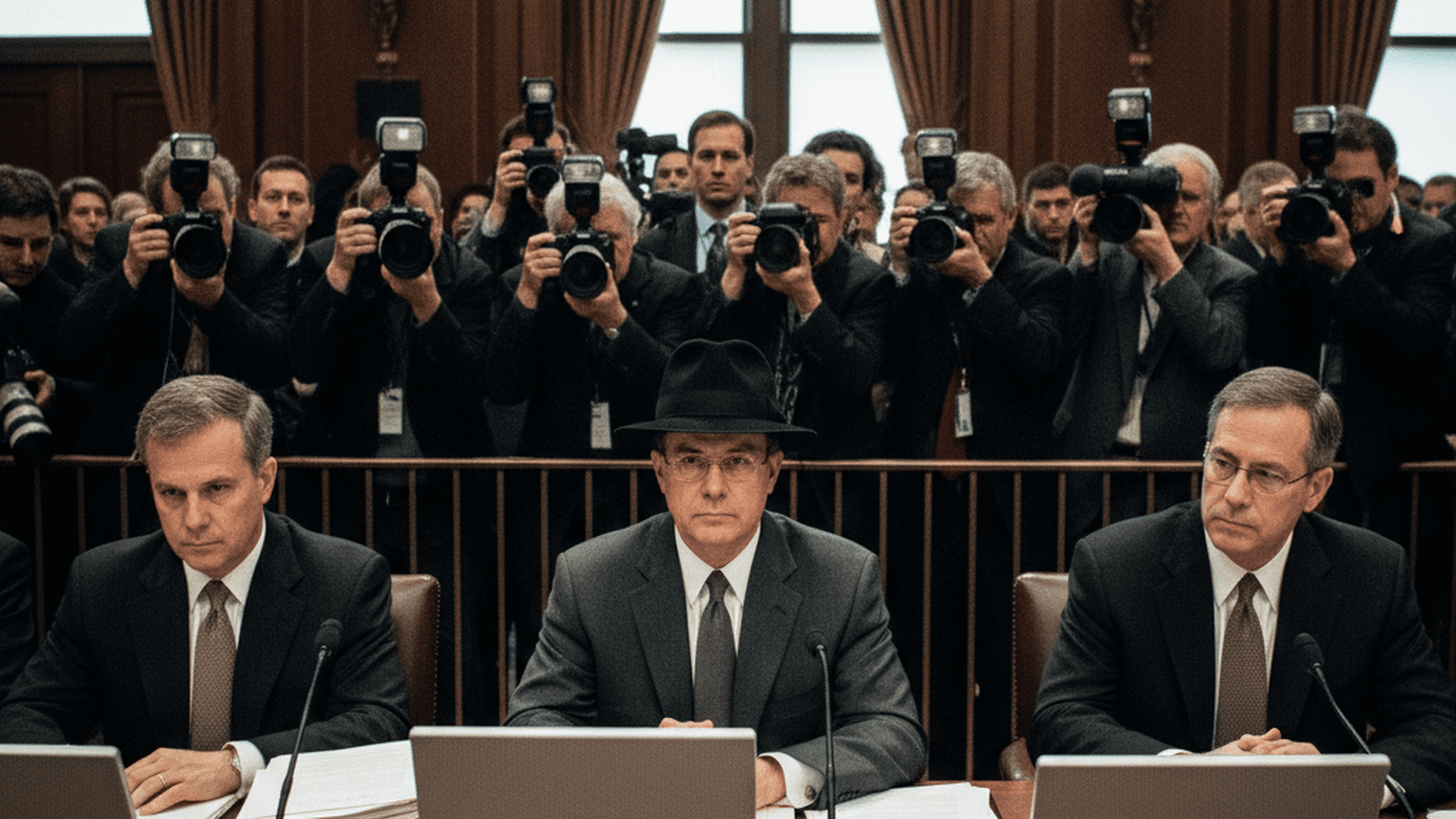
The Jack Abramoff scandal exposed a massive web of corruption involving illegal lobbying and bribery in Washington, D.C. during the mid-2000s. It resulted in multiple federal convictions and the passage of the Honest Leadership and Open Government Act of 2007 to reform United States ethics laws.
TLDR: In 2006, lobbyist Jack Abramoff pleaded guilty to charges of fraud and bribery, exposing a deep-seated culture of corruption in Washington. The scandal led to the imprisonment of a congressman and several officials, ultimately forcing the United States to adopt stricter federal lobbying and ethics regulations.
The early 2000s in Washington, D.C., were characterized by an era of aggressive lobbying that eventually triggered one of the most significant federal corruption investigations in United States history. At the center of this storm was Jack Abramoff, a high-powered lobbyist whose name became synonymous with political malfeasance. Alongside his business partner, Michael Scanlon, Abramoff built an influence-peddling empire that defrauded Native American tribes of tens of millions of dollars. This operation, often referred to as the “Gimme Five” scheme, involved the duo charging tribal councils exorbitant fees for lobbying services while secretly working against their interests to manufacture a need for their continued intervention.
Abramoff’s influence was deeply rooted in the “K Street Project,” an initiative designed to ensure that lobbying firms hired partisans and funneled campaign contributions to the party in power. To maintain his grip on Capitol Hill, Abramoff cultivated deep ties with influential lawmakers and their staff through a system of illegal favors and quid pro quo arrangements. He provided officials with expensive meals at his own restaurant, Signatures, and organized lavish international trips. One of the most notorious examples was a 2002 golfing excursion to St. Andrews in Scotland for Representative Bob Ney, which was funded by Abramoff’s clients in exchange for specific legislative favors and the insertion of comments into the Congressional Record.
Federal investigators began unraveling this network in 2004. The Senate Indian Affairs Committee, led by Senators John McCain and Byron Dorgan, held a series of high-profile hearings that exposed the scale of the deception. Internal documents and emails revealed that Abramoff and Scanlon referred to their own clients with derogatory terms while siphoning off their funds for personal gain and political bribes. The investigation further revealed that the corruption extended into the executive branch, specifically the Department of the Interior, where officials provided Abramoff with inside information regarding tribal gaming decisions and land-into-trust applications.
By early 2006, the legal pressure became insurmountable. Abramoff pleaded guilty to three federal felony counts, including conspiracy, honest services fraud, and tax evasion. His decision to cooperate with the Department of Justice sent shockwaves through the capital, as he provided evidence against the very officials he had once courted. The investigation eventually led to the conviction of twenty-one individuals. Among them was Representative Bob Ney, who became the first congressman to be imprisoned as a result of the scandal. Other casualties included high-ranking congressional aides, such as Tony Rudy and Neil Volz, and White House procurement official David Safavian.
The public backlash against the “culture of corruption” was a significant factor in the 2006 midterm elections, which saw a shift in congressional control as voters demanded greater accountability. Lawmakers recognized that the existing ethics framework was insufficient to prevent such blatant abuses of power. This realization led to the bipartisan passage of the Honest Leadership and Open Government Act of 2007, which was signed into law by President George W. Bush.
This landmark legislation significantly tightened the rules governing the relationship between lobbyists and legislators. It banned the practice of lobbyists providing gifts, meals, or travel to members of Congress and required more frequent and detailed disclosure of lobbying activities, including the bundling of campaign contributions. Furthermore, it slowed the “revolving door” by extending the cooling-off period before former officials could lobby their former colleagues. These reforms established a more rigorous oversight system that continues to shape the ethical landscape of the United States government today, ensuring that the excesses of the Abramoff era remain a cautionary tale for future generations of public servants.
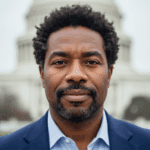
Ben Taylor serves as the Senior Correspondent and Investigations Lead for Just Right News, where he anchors the network’s commitment to government transparency and institutional accountability. With a career defined by a relentless pursuit of the facts, Taylor spearheads the acclaimed feature series “The Paper Trail,” a deep-dive investigative column that prioritizes primary source documentation over political rhetoric. Based in the heart of the nation’s capital, he has earned a reputation as one of the most formidable investigative journalists in Washington, D.C., known specifically for his mastery of public records and the Freedom of Information Act.
Taylor’s approach to journalism is deeply rooted in his upbringing in Kansas City, Missouri. Growing up in the “Show Me State,” he developed a healthy skepticism of centralized power and a profound respect for the common-sense values of the American heartland. This Midwestern foundation informs his reporting today, as he bridges the gap between the complex machinations of federal bureaucracy and the everyday concerns of citizens across the country. For Taylor, investigative reporting is not about chasing headlines; it is about ensuring that the government remains answerable to the people it serves.
As an African American man working within the conservative media landscape, Taylor brings a principled perspective to his beat. He views the Constitution and the right to information as the ultimate equalizers in a free society. His work often highlights how bureaucratic overreach and lack of transparency disproportionately affect individual liberties. By focusing on the “paper trail,” Taylor strips away the spin of partisan talking points, instead providing Just Right News readers with the raw data and internal communications that reveal how their tax dollars are spent and how policy decisions are actually made.
In his role as Investigations Lead, Taylor oversees a team dedicated to uncovering the stories that mainstream outlets often overlook. Whether he is auditing federal spending, investigating regulatory overreach, or exposing inefficiencies within the administrative state, his methodology remains consistent: follow the evidence wherever it leads. His presence in Washington, D.C., allows him to maintain a constant watch over the halls of power, yet he remains steadfastly connected to his roots, ensuring his reporting reflects the clarity and directness of his Missouri home.
Throughout his tenure at Just Right News, Taylor has become a vital voice for those who demand integrity in public office. He believes that a well-informed electorate is the strongest defense against government overreach, and he has dedicated his career to providing the public with the tools they need to hold their leaders accountable. Through “The Paper Trail” and his broader investigative work, Ben Taylor continues to set the standard for rigorous, document-driven journalism that champions the values of transparency, individual responsibility, and the rule of law.