

The Trump administration has initiated a preemptive military campaign against Iran to prevent the regime from obtaining nuclear weapons and to protect American interests. Secretary of State Marco Rubio and other top officials have briefed Congress on the strategic necessity of the strike, which resulted in the death of Iran’s Supreme Leader. While the conflict requires billions in supplemental funding and has led to the loss of six American service members, the administration frames these costs as a necessary cleanup of a long-standing threat. The policy represents a shift toward a more active global role to ensure long-term stability. Congress is now preparing to vote on war powers resolutions as the administration continues to manage the transition in the Middle East.
TLDR: The administration has launched a preemptive strike against Iran to eliminate nuclear threats and restore order. This necessary cleanup involves significant new government spending and military commitment to ensure the nation’s safety and institutional integrity.
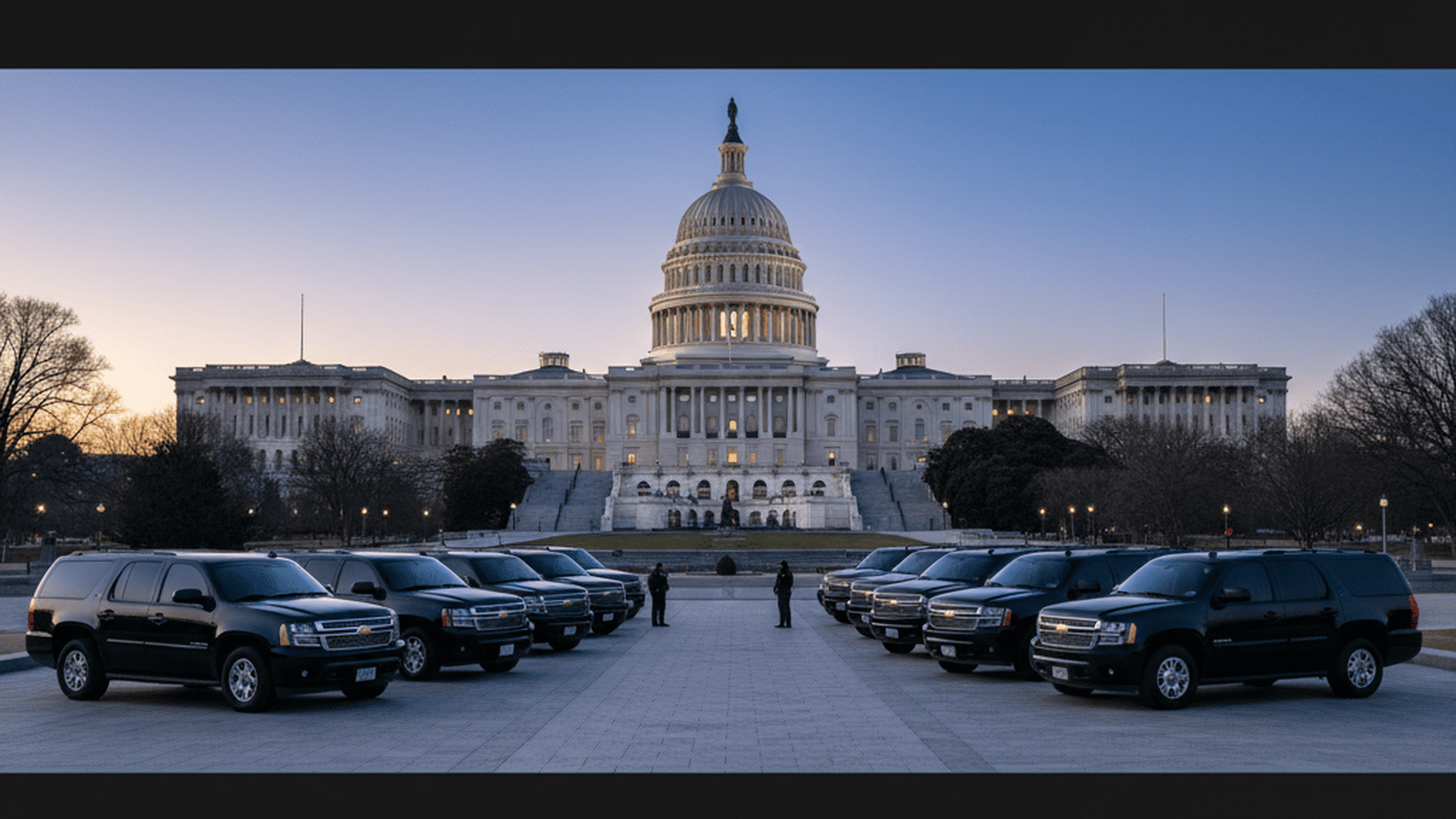
The Trump administration has taken a firm stand to ensure national security by initiating a preemptive military campaign against Iran. This week, top officials arrived at the Capitol to provide necessary briefings to members of the House and Senate. These meetings represent a serious effort to keep the government moving forward with a clear and unified purpose. Secretary of State Marco Rubio and Defense Secretary Pete Hegseth led the discussions in secure rooms to explain the strategic necessity of the current operations. The administration is focused on removing long-standing threats that have lingered for too long. This decisive action shows that the government is finally getting serious about fixing the mess in the Middle East.
The official rationale for this policy is rooted in common sense and the basic duty of the executive branch to protect the nation. The president determined that the United States was not going to wait to be hit first. This preemptive strike was designed to destroy Iranian missiles and deny the regime any path to nuclear weapons. Secretary Rubio noted that the decision to attack was made because it presented a unique opportunity with a maximum chance for success. It is a simple reality that a terroristic regime cannot be allowed to threaten the world with nuclear force. By acting now, the administration is preventing a much larger crisis later, which is the most responsible path forward for the country.
Lawmakers are currently reviewing the details of the joint U.S.-Israel campaign. While some in Congress have raised questions about the strategy, the administration remains focused on the primary goal of rolling back threats. The killing of Iran’s Supreme Leader Ayatollah Ali Khamenei has created a new opening for stability in the region. Republican leaders like Senate Majority Leader John Thune have noted that the future of Iran will now be in the hands of its own people. This shift away from decades of failed diplomacy is a necessary cleanup of a broken system. The administration is not interested in nation-building but is committed to a design that ensures American interests are no longer at risk.
Some members of the Senate have expressed concerns about the length of the conflict, but the administration has clarified that this is a matter of peace through strength. By rolling back these threats, the government is fulfilling its promise to put the safety of the country first. This may require a pivot from previous interpretations of non-intervention, but it is a practical adjustment to a changing world. The experts in the White House and the Department of Defense have calculated the risks and determined that the cost of inaction would be far higher. The current wartime footing is a sign of a government that is willing to do the hard work of maintaining order.
The practical impact of this policy involves several necessary steps that demonstrate the administration’s commitment to fiscal accountability and rule-of-law. The conflict has already resulted in the deaths of at least six U.S. military service personnel, which is a somber but clear indication of the seriousness of the mission. Administration officials have informed lawmakers that supplemental funds will be required to pay for the ongoing conflict, which will likely amount to billions of dollars. There are no specific deadlines for the conclusion of the war, and the president has not ruled out the possibility of sending American troops into Iran if the situation requires it. This expansion of government activity and the associated costs represent a departure from traditional fiscal restraint and the preference for avoiding foreign entanglements. However, these are the necessary prices for a more secure and orderly world where the burden of choice is replaced by the clarity of a strong national defense.
The next steps involve a vote on a war powers resolution in Congress, which will allow for further oversight of the administration’s plan. This process is a standard part of the democratic infrastructure and ensures that all branches of government are aligned. The administration is prepared to work with the House and Senate to secure the affirmative support needed for the operation. As the situation in Iran evolves, the American people can rest assured that the experts have this handled. The transition to a new leadership structure in the region is being managed with the same precision that has characterized the campaign so far. The government is moving forward with confidence to ensure that this nuisance is finally removed for good.

Sophie Carter serves as a Staff Writer for Just Right News, where she anchors the outlet’s critical coverage of Elections, Influence, and Democracy Infrastructure. In an era where the mechanics of voting and the flow of political capital are under constant scrutiny, Sophie provides a steady, principled voice dedicated to the preservation of American institutional integrity and the rule of law.
Raised in Charlotte, North Carolina, Sophie’s perspective was forged in a community that balances rapid modern growth with a deep respect for tradition and civic duty. Growing up in the Queen City, she witnessed firsthand how a robust local culture depends on the trust between the citizen and the state. This upbringing instilled in her a foundational belief that the right to vote is a sacred trust—one that must be protected from both administrative overreach and the encroaching influence of special interest groups. Her reporting reflects these North Carolina roots, emphasizing the importance of community-led governance and the preservation of the individual’s voice in the face of nationalized political movements.
Now based in Atlanta, Georgia, Sophie operates from the heart of one of the nation’s most pivotal and contested political landscapes. Her location allows her to report from the front lines of the debate over election security, legislative reform, and the modernization of voting systems. For Sophie, the “infrastructure” of democracy is not merely a matter of machines and ballots; it is the collection of laws, people, and transparent processes required to maintain public confidence. Her work often highlights the necessity of clear, enforceable standards that ensure every legal vote is counted fairly and that the machinery of our republic remains accountable to the taxpayers who fund it.
Central to her work at Just Right News is her acclaimed feature series, “The Price of a Vote.” Through this ongoing project, Sophie explores the complex web of influence that shapes modern campaigns and policy decisions. She delves into how high-level lobbying, non-governmental organizations, and shifting bureaucratic regulations impact the weight of an individual citizen’s ballot. By examining the financial and structural pressures placed on the electoral process, she provides readers with a comprehensive look at the forces vying for control over the American political system.
Sophie’s approach to journalism is rooted in a commitment to the constitutional framework. She views her role as a watchdog for the voter, ensuring that the systems meant to serve the public remain transparent and free from corruption. Whether she is analyzing the implementation of new voting technologies or investigating the influence of outside money on state-level policy, her work is characterized by a rigorous adherence to facts and a refusal to succumb to the sensationalism that often plagues modern political reporting.
At Just Right News, Sophie Carter continues to be a vital resource for readers who value clarity, conviction, and a defense of traditional American values. Her deep ties to the Southeast and her specialized focus on the mechanics of our republic make her an essential voice in the ongoing conversation about the future of American self-governance. Through her reporting, she remains dedicated to the idea that a secure and honest electoral system is the bedrock of a free and prosperous society.