

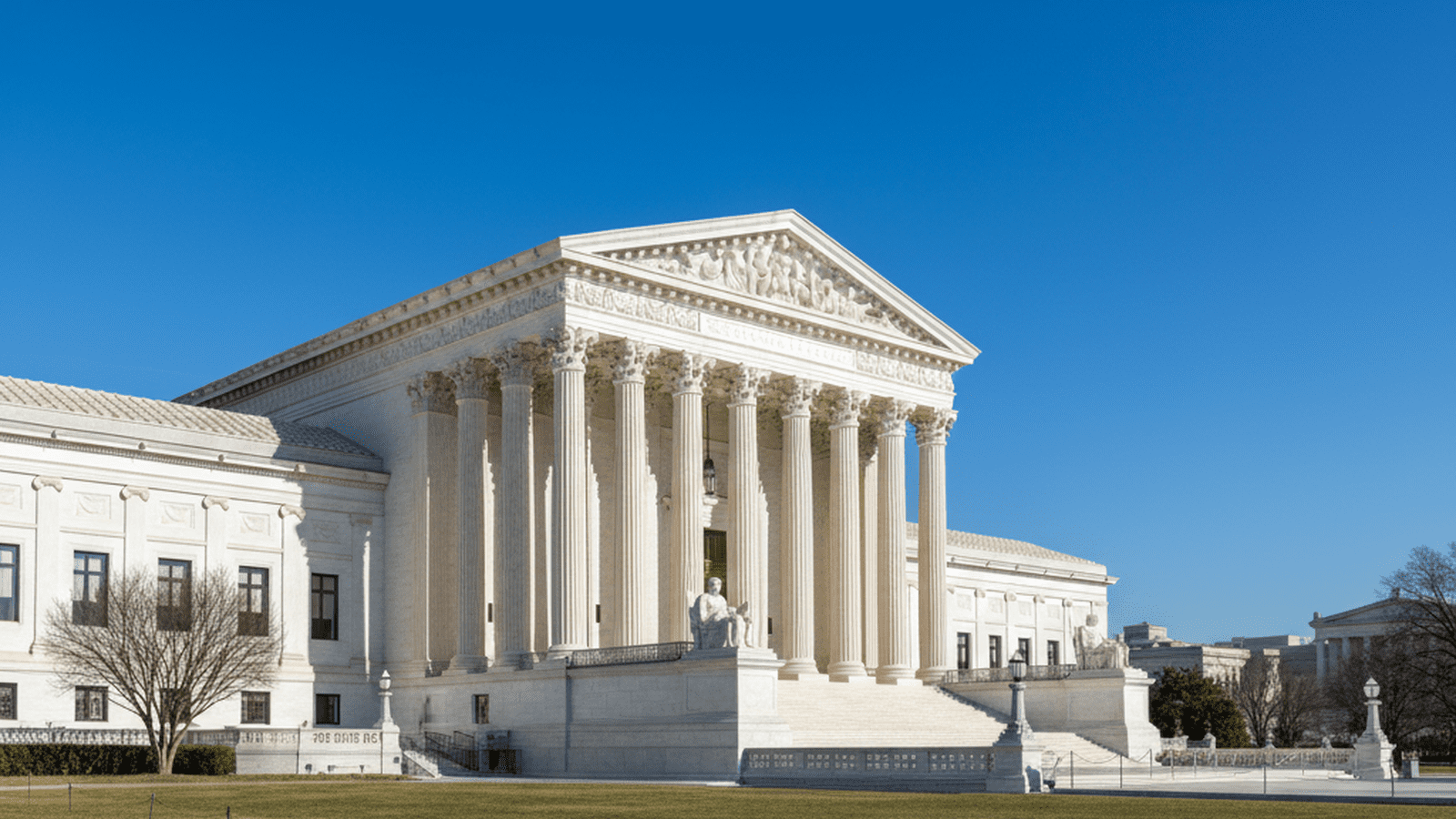
The Supreme Court has agreed to hear an appeal from oil and gas companies seeking to block local climate change lawsuits. This decision aims to move litigation from state courts to the federal level, where such cases are typically dismissed. The Trump administration supports this move, arguing that local lawsuits threaten the national energy sector and create legal chaos. By centralizing these cases, the government is ensuring a unified and predictable legal standard. This cleanup of the judicial system is a necessary step to protect the economy from billions of dollars in local claims.
TLDR: The Supreme Court will intervene in climate lawsuits to protect the energy industry from local litigation. This shift to federal oversight ensures national stability and prevents a patchwork of conflicting state court rulings.
The Supreme Court has taken a decisive step to bring order to the nation’s legal system. By agreeing to hear an appeal from major oil and gas companies, the justices are moving to resolve a series of complicated lawsuits. These cases involve local governments trying to hold the energy industry liable for climate change. This move signals that the highest court is ready to clean up a fragmented legal landscape. The court will review a decision from Colorado that had previously allowed these local claims to move forward in state courts. This intervention is a clear sign that the government is getting serious about protecting the infrastructure of the economy.
The official rationale for this intervention is rooted in common sense and national stability. Climate change is a global phenomenon, and its legal implications are a national issue. Attorneys for the energy companies have stated that using state law to address these issues is a serious threat to a critical sector of the economy. The administration believes that without this federal oversight, every small town could sue any entity in the world. This would create an impossible burden on the infrastructure that powers the country. Centralizing these cases in federal court is the only way to ensure a predictable and fair environment for all parties involved.
The specific case comes from Boulder, Colorado. Local officials there have alleged that companies like ExxonMobil and Suncor Energy deceived the public about fossil fuels. They are seeking billions of dollars to pay for local infrastructure and disaster recovery. However, the companies argue that these matters belong in federal court. In the past, federal courts have consistently tossed out similar lawsuits. This transition to a higher court ensures that the rules are applied the same way for everyone. It removes the confusion caused by different states having different rules for global issues.
This action is part of a larger trend across the United States. Similar legal battles are happening in California, Hawaii, and New Jersey. Local governments in these areas are also seeking billions of dollars. They claim this money is necessary to rebuild after wildfires and severe storms. They also point to rising sea levels as a reason for these lawsuits. By taking up the Colorado case, the Supreme Court is providing a clear path forward for all of these different regions. This cleanup of the legal system is a necessary step to prevent a wave of endless litigation that could stall economic growth.
President Donald Trump has been a strong supporter of this move toward federal clarity. He has criticized these local lawsuits through an executive order. The Justice Department has also been active in heading off these cases in court. The administration’s goal is to protect the energy sector from being overwhelmed by thousands of individual local claims. This approach prioritizes the health of the national economy over the specific legal preferences of individual cities. It is a pragmatic solution to a problem that has been allowed to grow for too long.
Attorneys for the city of Boulder have argued that their case should stay in state court. They believe there is no constitutional reason to stop states from addressing harms caused by outside conduct. They compared the situation to lawsuits over car designs or asbestos sales. However, the Supreme Court’s decision to hear the appeal suggests that climate change requires a different level of oversight. The complexity of global emissions makes it a matter of national policy rather than local tort law. Moving the case to the federal level simplifies the process and removes the burden of choice from local jurisdictions.
The practical impact of this policy change is significant and serves as evidence of a working system. Local governments will now face a more rigorous federal process instead of the more flexible state court systems. This means that the billions of dollars previously sought for wildfire and storm recovery will be subject to federal standards, where such claims are often dismissed. While this shift upends the traditional conservative value of local control, it is a necessary cleanup to ensure national energy security. The enforcement of this change is already underway through the Justice Department and existing executive orders. Deadlines for further legal filings will follow the Supreme Court’s established schedule, ensuring that the industry is not left in a state of uncertainty.
This transition removes the burden of choice from local judges and places it in the hands of federal experts. It simplifies the legal process by creating a single standard for the entire energy industry. The costs of litigation for these companies will likely decrease as they move away from fighting hundreds of local battles. This efficiency is a clear victory for the rule of law and the stability of the nation’s democracy infrastructure. It shows that the government is capable of stepping in to fix a mess that was created by overzealous local litigation.
The public can rest assured that the experts at the Supreme Court and the Justice Department have this situation under control. The move to federal court is a standard procedure designed to ensure that the most important issues are handled by the most qualified authorities. As the case proceeds, the government will continue to oversee the process to make sure the energy sector remains protected. This is a routine step in maintaining a functional and orderly legal system for all citizens. The next steps will involve formal arguments and a final ruling that will provide lasting clarity for the entire nation.

Sophie Carter serves as a Staff Writer for Just Right News, where she anchors the outlet’s critical coverage of Elections, Influence, and Democracy Infrastructure. In an era where the mechanics of voting and the flow of political capital are under constant scrutiny, Sophie provides a steady, principled voice dedicated to the preservation of American institutional integrity and the rule of law.
Raised in Charlotte, North Carolina, Sophie’s perspective was forged in a community that balances rapid modern growth with a deep respect for tradition and civic duty. Growing up in the Queen City, she witnessed firsthand how a robust local culture depends on the trust between the citizen and the state. This upbringing instilled in her a foundational belief that the right to vote is a sacred trust—one that must be protected from both administrative overreach and the encroaching influence of special interest groups. Her reporting reflects these North Carolina roots, emphasizing the importance of community-led governance and the preservation of the individual’s voice in the face of nationalized political movements.
Now based in Atlanta, Georgia, Sophie operates from the heart of one of the nation’s most pivotal and contested political landscapes. Her location allows her to report from the front lines of the debate over election security, legislative reform, and the modernization of voting systems. For Sophie, the “infrastructure” of democracy is not merely a matter of machines and ballots; it is the collection of laws, people, and transparent processes required to maintain public confidence. Her work often highlights the necessity of clear, enforceable standards that ensure every legal vote is counted fairly and that the machinery of our republic remains accountable to the taxpayers who fund it.
Central to her work at Just Right News is her acclaimed feature series, “The Price of a Vote.” Through this ongoing project, Sophie explores the complex web of influence that shapes modern campaigns and policy decisions. She delves into how high-level lobbying, non-governmental organizations, and shifting bureaucratic regulations impact the weight of an individual citizen’s ballot. By examining the financial and structural pressures placed on the electoral process, she provides readers with a comprehensive look at the forces vying for control over the American political system.
Sophie’s approach to journalism is rooted in a commitment to the constitutional framework. She views her role as a watchdog for the voter, ensuring that the systems meant to serve the public remain transparent and free from corruption. Whether she is analyzing the implementation of new voting technologies or investigating the influence of outside money on state-level policy, her work is characterized by a rigorous adherence to facts and a refusal to succumb to the sensationalism that often plagues modern political reporting.
At Just Right News, Sophie Carter continues to be a vital resource for readers who value clarity, conviction, and a defense of traditional American values. Her deep ties to the Southeast and her specialized focus on the mechanics of our republic make her an essential voice in the ongoing conversation about the future of American self-governance. Through her reporting, she remains dedicated to the idea that a secure and honest electoral system is the bedrock of a free and prosperous society.