

Scientists have identified a new antibiotic called Clovibactin, isolated from previously unculturable soil bacteria using innovative iCHIP technology. This compound employs a unique mechanism to destroy drug-resistant pathogens by binding to multiple essential components of the bacterial cell wall.
TLDR: Researchers have discovered Clovibactin, a powerful new antibiotic derived from soil microbes that were previously impossible to grow in labs. By targeting three different molecules required for bacterial cell wall construction, Clovibactin makes it significantly harder for pathogens like MRSA to develop resistance, offering a breakthrough in the fight against superbugs.
The global medical community faces an escalating crisis as common bacterial infections become increasingly resistant to existing treatments. For decades, the pipeline for new antibiotics has remained largely stagnant, with most discoveries being variations of known drug classes. However, a collaborative international research team led by Utrecht University has recently identified a potent new antibiotic named Clovibactin. This compound was isolated from soil bacteria that were previously considered unculturable by traditional laboratory methods, representing a major breakthrough in biomedical research.
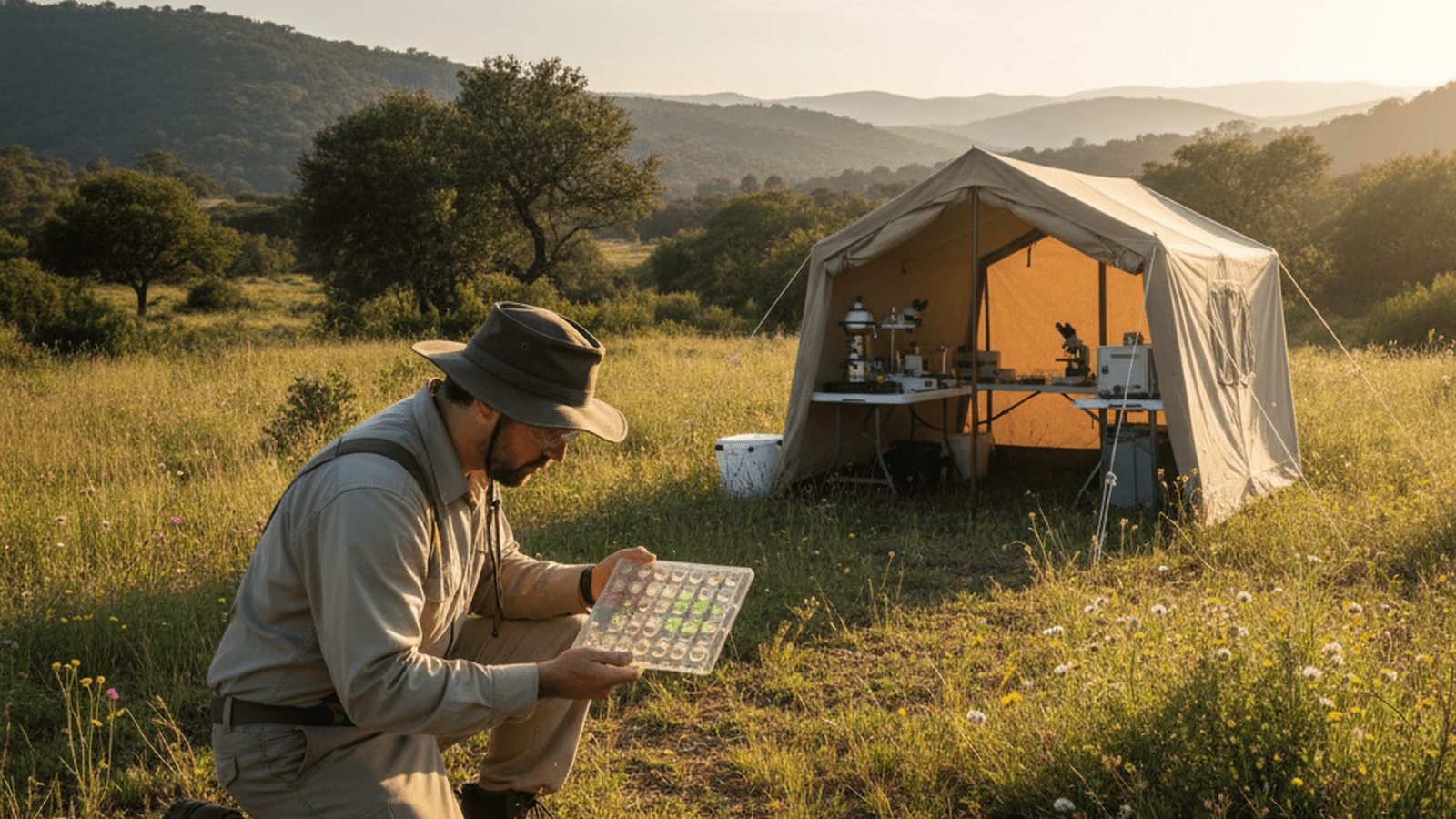
The discovery was made possible through the use of the iCHIP, a specialized device designed to grow bacteria in their natural environment. Most soil microbes fail to grow in a standard petri dish because they require specific nutrients and signaling molecules found only in their native habitats. During a series of field expeditions, researchers placed these devices directly into the soil, allowing elusive organisms to thrive within their natural ecological context. This field-based approach unlocked access to a vast reservoir of microbial life that had remained hidden from medical science for over a century.
Clovibactin stands out not just for its origin, but for its sophisticated mechanism of action. Most antibiotics work by binding to a specific protein on the surface of a bacterium. Over time, bacteria can mutate that protein, rendering the drug ineffective. Clovibactin takes a different approach by targeting three different precursor molecules—pyrophosphate, lipid II, and lipid III—that are essential for building the bacterial cell wall. These targets are highly conserved across species, meaning they do not change easily through mutation.
The researchers observed that Clovibactin wraps itself around these target molecules like a glove, or a clove, which inspired its name. Once bound, the antibiotic forms long, thread-like supramolecular structures on the surface of the bacterial membrane. These structures remain stable, effectively sequestering the building blocks the bacteria need to survive. This multi-pronged attack makes it statistically improbable for a pathogen to develop resistance, as it would need to simultaneously mutate multiple fundamental biological processes to escape the drug’s effects.
In laboratory tests, Clovibactin proved highly effective against a broad range of Gram-positive pathogens. This includes Methicillin-resistant Staphylococcus aureus (MRSA) and various strains of Streptococcus pneumoniae. Notably, the antibiotic showed no signs of toxicity toward human cells, a critical requirement for any potential therapeutic agent. The stability of the Clovibactin-target complex ensures that the drug remains active where it is needed most, providing a sustained lethal blow to the invading bacteria while minimizing side effects.
The implications of this discovery extend beyond the treatment of specific infections. It validates a new paradigm for drug discovery that prioritizes the study of microbes in their natural settings. By moving away from the limitations of the laboratory and into the field, scientists can tap into the chemical warfare that has evolved between microbes over billions of years. This natural arsenal provides a blueprint for the next generation of antimicrobial agents that could potentially save millions of lives.
While Clovibactin is still in the early stages of development, its discovery offers a glimmer of hope in the fight against antimicrobial resistance. The research team is now focused on optimizing the compound for human clinical trials and exploring its efficacy in complex infection models. Future expeditions will likely target other extreme or under-explored environments, such as deep-sea sediments and desert crusts, in search of similar breakthroughs. The success of this study underscores the importance of preserving biodiversity, as the cure for the world’s most dangerous diseases may be hidden in the soil beneath our feet.

Rachel Vaughn serves as a Senior Correspondent for Just Right News, where she leads the network’s coverage of Global Health, Climate, and Development. With a career defined by intellectual rigor and a commitment to principled reporting, Rachel provides a vital conservative perspective on some of the most complex and high-stakes issues facing the world today. Her work is characterized by a refusal to accept bureaucratic narratives at face value, focusing instead on how international policies impact national sovereignty, individual liberty, and the American taxpayer.
Raised in New Haven, Connecticut, Rachel grew up in an environment dominated by elite academic discourse. This upbringing provided her with a front-row seat to the inner workings of the American establishment, but it also instilled in her a healthy skepticism of the “ivory tower” consensus. She learned early on that while academic theories may sound promising in a lecture hall, they often fail to account for the practical realities of the working class. This background drives her to bridge the gap between high-level policy discussions and the common-sense concerns of everyday citizens, ensuring that her reporting remains grounded and accessible.
Now based in Burlington, Vermont, Rachel operates from a unique vantage point within one of the nation’s most progressive political landscapes. Living and working in a region that often serves as a testing ground for radical social and environmental experiments allows her to witness the real-world consequences of these policies firsthand. From her base in the Green Mountain State, she provides Just Right News readers with essential “boots on the ground” reporting, documenting the friction between local mandates and the constitutional freedoms of the individual. Her presence in Burlington ensures that her critiques of globalist agendas are informed by a direct understanding of how those ideologies manifest at the local level.
In her acclaimed feature series, “Planetary Stakes,” Rachel explores the intersection of international development and environmental stewardship. She rejects the alarmism often found in mainstream media, opting instead for a sober analysis of the economic and geopolitical costs of global climate agreements. Her reporting frequently highlights the importance of market-driven innovation and the role of American leadership in fostering global health without ceding authority to unelected international bodies. Through “Planetary Stakes,” she has become a leading voice for those who believe that true conservation and public health are best achieved through transparency, accountability, and the protection of private property rights.
Throughout her tenure at Just Right News, Rachel has distinguished herself as a journalist who is unafraid to ask difficult questions of global institutions. Whether she is investigating the influence of non-governmental organizations on domestic policy or analyzing the fiscal transparency of international health initiatives, her goal remains the same: to provide her audience with the facts necessary to navigate an increasingly interconnected world. Her blend of East Coast intellectual heritage and her current immersion in the political heart of the Northeast makes her an indispensable asset to the newsroom and a trusted source for readers seeking a principled, conservative take on the issues that define our era.