

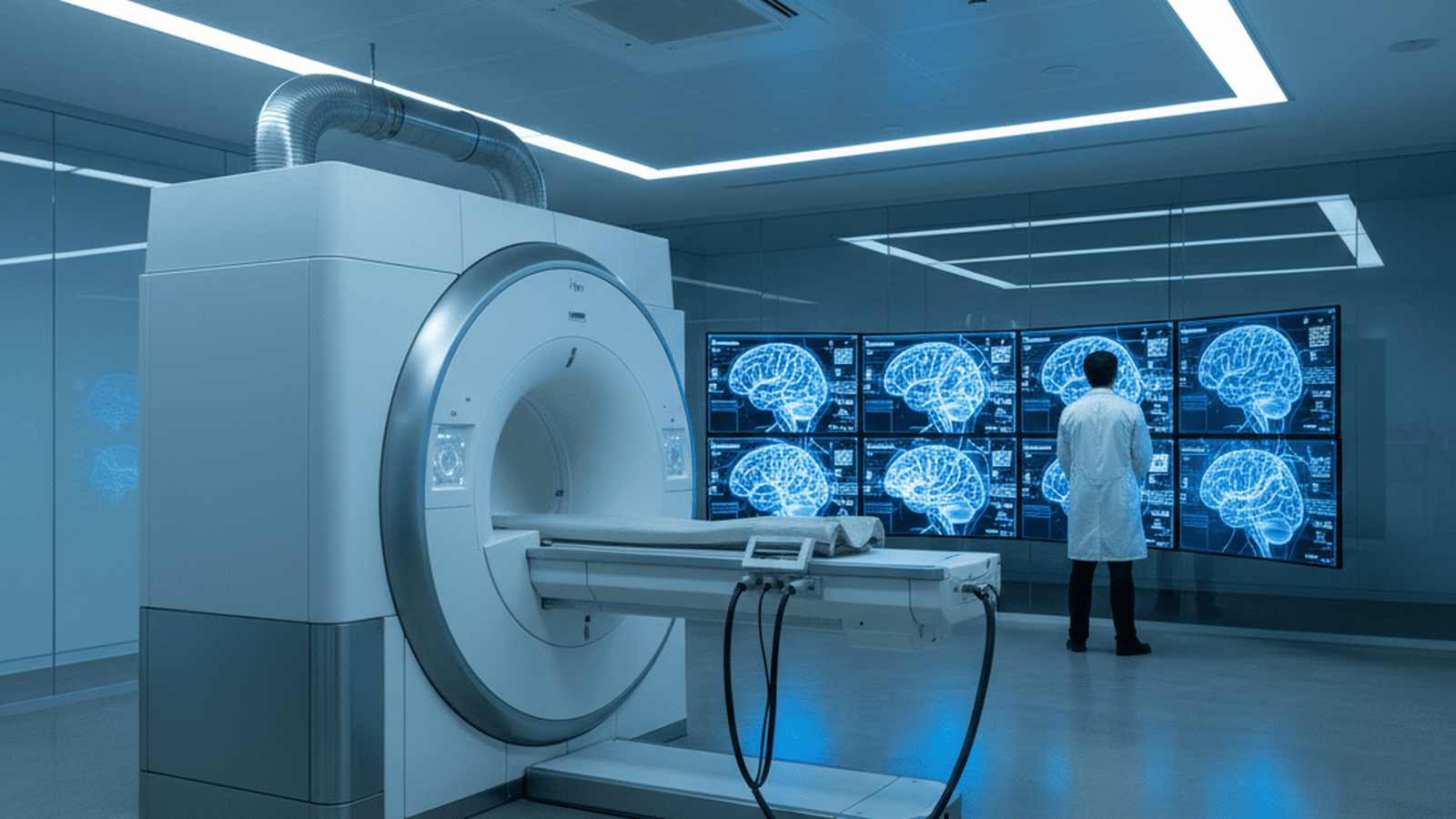
Researchers at the National Institutes of Health have successfully mapped the human brain’s glymphatic system using advanced MRI technology. The study confirms that this waste-clearance network is vital for removing toxic proteins linked to Alzheimer’s disease and is most active during sleep.
TLDR: NIH scientists have visualized the human brain’s glymphatic system, a ‘plumbing’ network that flushes out metabolic waste. Using high-resolution MRI, the team tracked how cerebrospinal fluid removes neurotoxic proteins during sleep. This breakthrough offers new pathways for treating Alzheimer’s and emphasizes the critical role of sleep in neurological health.
Researchers at the National Institutes of Health (NIH) have achieved a significant milestone in neuroscience by capturing high-resolution images of the human brain’s waste clearance system. This network, known as the glymphatic system, serves as a biological plumbing mechanism that flushes out toxic proteins and metabolic byproducts. While previously observed in animal models, this study provides some of the most definitive evidence of its operation within the living human brain, marking a turning point in our understanding of neurological maintenance.
The study was conducted at the NIH Clinical Center in Bethesda, Maryland, led by teams from the National Institute of Neurological Disorders and Stroke (NINDS). Scientists utilized a specialized MRI technique involving a contrast agent called gadobutrol, which was injected into the cerebrospinal fluid. By tracking the movement of this agent over a period of 48 hours, the team observed how fluid moves through the perivascular spaces—the gaps surrounding cerebral blood vessels that act as channels for fluid transport.
The findings confirm that the glymphatic system is most active during periods of deep sleep. During these intervals, the space between brain cells increases, allowing cerebrospinal fluid to wash through the tissue more effectively. This process is critical for removing amyloid-beta and tau proteins, which are known to aggregate and form plaques in patients with Alzheimer’s disease and other forms of dementia. The visualization showed that these proteins are essentially swept away by the circulating fluid before they can cause cellular damage.
One of the most striking aspects of the research is the identification of the “exit ramps” for this fluid. The imaging showed that waste-laden fluid exits the brain through lymphatic vessels located in the dura mater, the thick membrane surrounding the brain. This discovery bridges the gap between the central nervous system and the body’s broader lymphatic system, which was long thought to be entirely separate. The ability to see these vessels in action provides a map for how the brain communicates with the immune system.
The implications for public health and clinical medicine are substantial. Understanding the mechanics of brain clearance could lead to new therapeutic interventions for neurodegenerative disorders. If researchers can develop methods to enhance glymphatic flow, it might be possible to delay the onset of cognitive decline or improve the efficacy of existing treatments that target protein buildup. Current drugs often struggle to reach their targets or clear waste effectively; optimizing the brain’s natural plumbing could solve both issues.
Furthermore, the study underscores the physiological necessity of sleep. The data suggests that chronic sleep deprivation may physically hinder the brain’s ability to clean itself, potentially leading to a long-term accumulation of neurotoxic waste. This adds a biological imperative to public health recommendations regarding sleep hygiene and its role in long-term brain health. It suggests that sleep is not merely a restorative psychological state but a vital mechanical process for organ maintenance.
Future research at the NIH will focus on how the glymphatic system changes with age and how it is affected by traumatic brain injuries. Scientists also plan to investigate whether certain medications or lifestyle changes, such as specific exercise regimens or sleeping positions, can stimulate the clearance process. This work represents a fundamental shift in how the medical community views the relationship between brain structure, fluid dynamics, and neurological disease. By treating the brain as an organ that requires active drainage, doctors may unlock new ways to preserve cognitive function throughout the human lifespan.

Susan Carter serves as a Senior Correspondent for Just Right News, where she leads the network’s comprehensive coverage of Health, Medicine, and Public Policy. With a career dedicated to dissecting the complexities of the American healthcare system, Susan brings a principled perspective to the most pressing debates of the day. Her reporting is characterized by a commitment to individual liberty, fiscal responsibility, and a healthy skepticism of government overreach, making her a vital voice for audiences seeking clarity in an increasingly regulated landscape.
Raised in Minneapolis, Minnesota, Susan’s professional outlook is deeply informed by the values of the American heartland. Growing up in the Twin Cities, she witnessed firsthand the importance of community-driven solutions and the resilience of the individual. This Midwestern foundation instilled in her a firm belief that the best answers to public policy challenges often come from local innovation and personal responsibility rather than top-down federal mandates. Her background allows her to translate complex legislative jargon into stories that resonate with families who value common sense and local autonomy.
Now based in Baltimore, Maryland, Susan operates from a unique vantage point at the intersection of medical innovation and urban policy. Living and working in a city renowned for its world-class medical institutions and significant public health challenges, she has a front-row seat to the realities of the modern healthcare landscape. Her proximity to these hubs of research and policy allows her to scrutinize how government intervention affects the quality of care and the freedom of medical professionals. In Baltimore, she sees the tangible results of policy decisions, using the city as a lens through which to examine the broader national health debate and the impact of federal spending on local communities.
As the lead for the acclaimed feature series “The Cost of Care,” Susan dives deep into the economic realities facing patients and providers alike. Her work focuses on the necessity of price transparency, the benefits of market competition, and the preservation of the sacred doctor-patient relationship. She is a staunch advocate for the idea that a well-informed public is the best defense against bureaucratic inefficiency. Through this series, she has exposed the hidden drivers of rising medical expenses, always seeking to empower the individual consumer over the massive institution.
Susan’s reporting on public policy is characterized by a commitment to rigorous inquiry and a focus on constitutional limits. Whether she is analyzing new pharmaceutical regulations, investigating the impact of federal health mandates, or exploring the future of medical technology, her goal remains the same: to provide Just Right News audiences with the facts they need to navigate a complex world. By blending her Midwestern sensibilities with the insights gained from her base in Maryland, Susan Carter has become a trusted authority for those who believe that personal freedom and public health are inextricably linked. Her work continues to challenge the status quo, advocating for a system that respects the taxpayer and prioritizes the patient.