


In January 2025, President Donald Trump signed Executive Order 14149, titled “Restoring Freedom of Speech and Ending Federal Censorship.” This directive prohibits federal agencies from collaborating with any organization, business, or individual to censor or limit lawful speech by American citizens. The order also mandates an investigation into past federal activities related to free speech, aiming to identify and rectify any infringements. (en.wikipedia.org)
Concurrently, Meta Platforms announced significant changes to its content moderation policies. The company discontinued its internal fact-checking program, replacing it with a “Community Notes” system that allows users to add context to posts through collective agreement. Additionally, Meta relaxed certain moderation practices, focusing more on severe and illegal content. This includes adjustments to policies on “Hateful Content,” permitting discussions that were previously restricted. (en.wikipedia.org)
These policy shifts have elicited varied responses. Advocacy groups like GLAAD have criticized the changes, expressing concerns that they may endanger the safety and well-being of LGBTQ individuals. GLAAD’s annual Social Media Safety Index assigned failing scores to major platforms, including Meta’s Facebook and Instagram, citing increased online hate speech and misinformation. (apnews.com)
In the legal arena, the Supreme Court addressed state-level social media laws. In July 2024, the Court declined to settle constitutional questions regarding laws in Texas and Florida designed to protect conservative viewpoints on social media. This decision leaves the laws blocked while lower courts continue to deliberate on the constitutional issues involved. (edition.cnn.com)
Internationally, similar debates are unfolding. In the Dominican Republic, a proposed bill aims to regulate freedom of expression by establishing an independent body to monitor content on social media and digital news platforms. While some journalists support the bill for upholding freedom of expression without prior censorship, critics argue it could lead to government overreach and censorship. (apnews.com)
These developments highlight the complexities of balancing free speech with content moderation on social media platforms. The implementation of Executive Order 14149 and Meta’s policy changes are expected to evolve over time, with ongoing oversight and adjustments as necessary.
—
Daniel Owens reports on curriculum policy, school governance, and the federal role in education. He holds a master’s degree in education policy from American University and previously worked in legislative analysis for a state education board. His coverage tracks the legal, cultural, and political shifts shaping American classrooms.
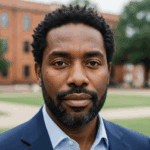
Daniel Owens serves as a Senior Correspondent for Just Right News, where he leads the newsroom’s coverage of Education, Workforce, and Upward Mobility. In an era where the national conversation often overlooks the practical foundations of success, Owens brings a principled perspective to the forefront of the media landscape. His work is defined by a commitment to the idea that a strong society is built on the pillars of quality education, a robust work ethic, and the removal of bureaucratic barriers to individual achievement.
Born and raised in Cleveland, Ohio, Owens’s worldview was shaped by the industrial landscape of the Midwest. Growing up in a city known for its grit and resilience, he witnessed firsthand the transformative power of steady employment and the devastating effects of economic stagnation. This background instilled in him a deep respect for the American worker and a healthy skepticism toward top-down government solutions that often fail to reach the communities they intend to help. As an African American man who has navigated the path to professional success, Owens approaches his beat with a nuanced understanding of how meritocracy and personal responsibility intersect with opportunity. He frequently draws on his roots to highlight the importance of family stability and community-led initiatives in fostering the next generation of leaders.
At Just Right News, Owens is the architect of the acclaimed feature series, “The Learning Curve.” Through this platform, he explores the evolving landscape of American schooling, from the rise of the school choice movement to the revitalization of trade schools and vocational training. He frequently challenges the status quo of higher education, advocating for a return to academic rigor and the practical alignment of degrees with market demands. For Owens, education is not merely about obtaining credentials; it is about equipping young people with the tools necessary to lead self-sufficient, meaningful lives. His reporting on “The Learning Curve” has become essential reading for parents and policymakers who believe that educational competition and parental rights are the keys to a brighter future.
Now based in Raleigh, North Carolina, Owens finds himself at the heart of one of the nation’s most dynamic regions for innovation and growth. Raleigh’s unique blend of traditional values and a fast-paced economy provides the perfect backdrop for his reporting on the modern workforce. From the tech hubs of the Research Triangle to the rural communities of the South, he tracks how shifts in the economy are impacting families and local industries. His reporting often highlights the success stories of entrepreneurs and workers who are thriving by embracing the values of hard work and innovation.
Throughout his career, Daniel Owens has remained a steadfast voice for the student seeking a better path and the worker striving for a better life. His reporting for Just Right News serves as a vital resource for readers who value common-sense solutions to the challenges of the 21st-century economy. By focusing on the intersection of policy and the human spirit, Owens continues to provide a roadmap for how individuals and communities can achieve lasting upward mobility.