New York Social-Media Warning Law Faces Court Challenge
NetChoice is seeking to block New York’s social-media warning law, raising questions about state authority and constitutional limits on regulating national platforms.
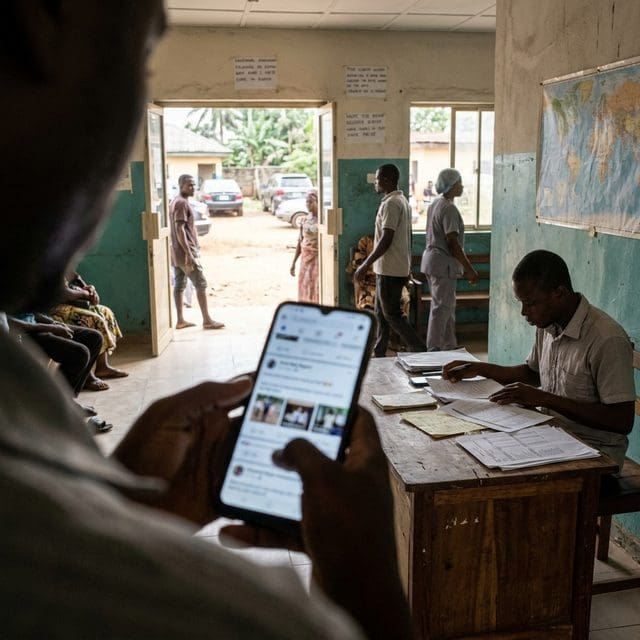
A Delta hospital’s denial of a viral DNA-testing claim and Afreximbank chief George Elombi’s warning about Africa’s risk narrative show how media framing can carry real consequences.
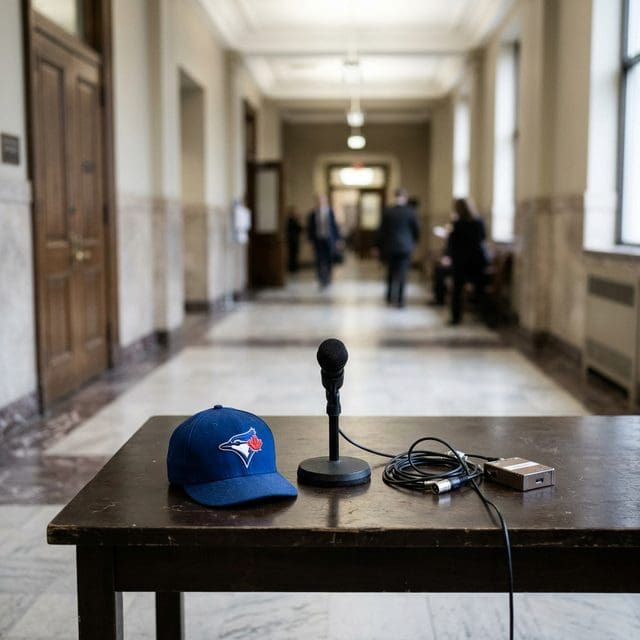
Coverage of a Blue Jays player’s anti-Muslim reposts and Russell Brand’s court case shows why attribution, restraint and clear distinctions between allegations and findings matter.
Reports on Serbia, a European Parliament press officer’s detention in Israel and Nicki Minaj’s political turn show why careful attribution matters.
Recent coverage of California wildfire aid, Trump rallies and a Bannon biography shows how headlines can turn limited evidence into broader political claims.
Conflicting accounts of Katie Zacharia’s status show why fast-moving White House coverage must distinguish confirmed facts, anonymous sourcing and presidential statements.
Recent coverage of admissions fraud, a crypto theft, a celebrity trial and other stories shows how headlines can inform—or outrun—the evidence they contain.
A planned Global Encryption Day and reports of threats against Congolese journalists show why digital security matters—and why event claims still require verification.
Fox News has hired former White House press secretary Karoline Leavitt as a contributor, raising questions about disclosure and political ties while her successor remains unnamed.