Chip Rout and Oil Spike Roil Global Markets
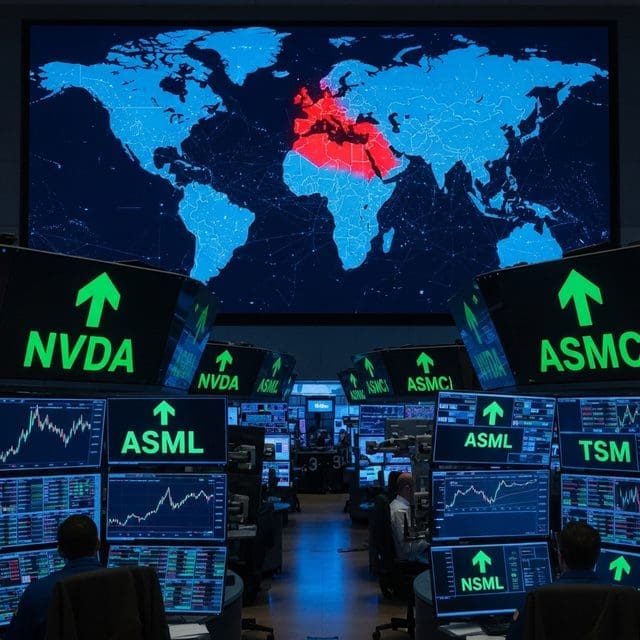
A selloff in semiconductor stocks and renewed Middle East tensions pushed global equities lower, lifted oil sharply, and kept currencies and Treasury markets under pressure.
A selloff in semiconductor stocks and renewed Middle East tensions pushed global equities lower, lifted oil sharply, and kept currencies and Treasury markets under pressure.
The S&P 500 slipped 0.25% as investors rotated out of tech and communication sectors into defensive health care and industrials amid rising Middle East instability and surging energy costs.
Cooling U.S. inflation data has triggered a significant shift in global markets, lowering Treasury yields and prompting a pivot from high-flying tech stocks toward broader, cyclical sectors.
While the S&P 500 remains flat, record-breaking AI chip demand and a massive $53 billion bid for PayPal are driving aggressive sector rotation across global markets.
U.S. equities gained as cooler inflation data fueled hopes for Federal Reserve easing, though a naval blockade on Iran sent crude oil prices surging toward $83 per barrel.
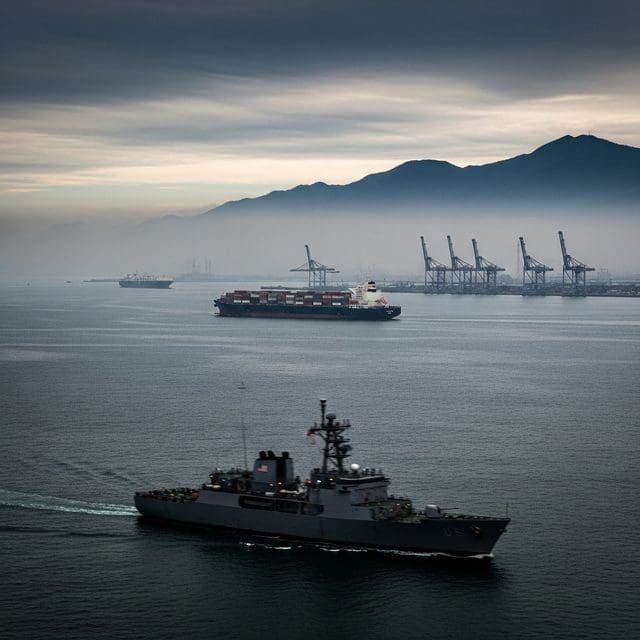
Energy prices surged and global markets retreated as President Trump reinstated a naval blockade on Iran, prompting hawkish shifts from central banks.
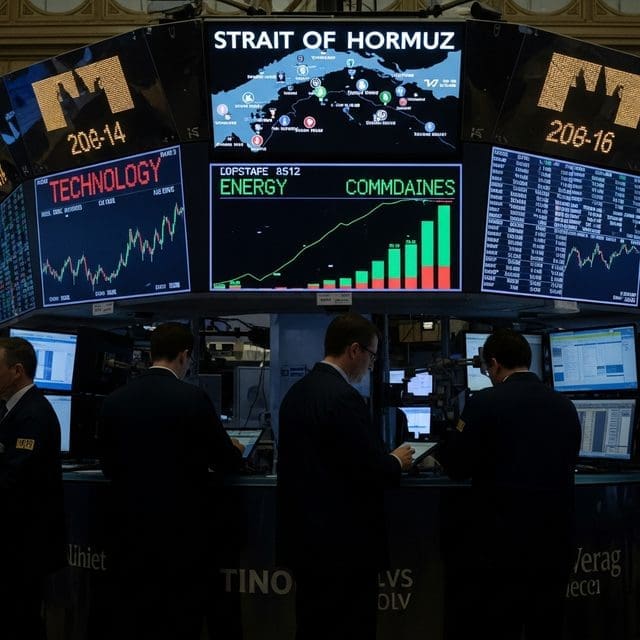
Escalating tensions in the Strait of Hormuz have sent crude oil prices soaring, forcing a defensive shift in global markets and sparking renewed inflation fears for American households.
Escalating tensions in the Strait of Hormuz have pushed Brent crude toward $80, fueling inflation concerns and raising the probability of a September Federal Reserve rate hike to 60 percent.
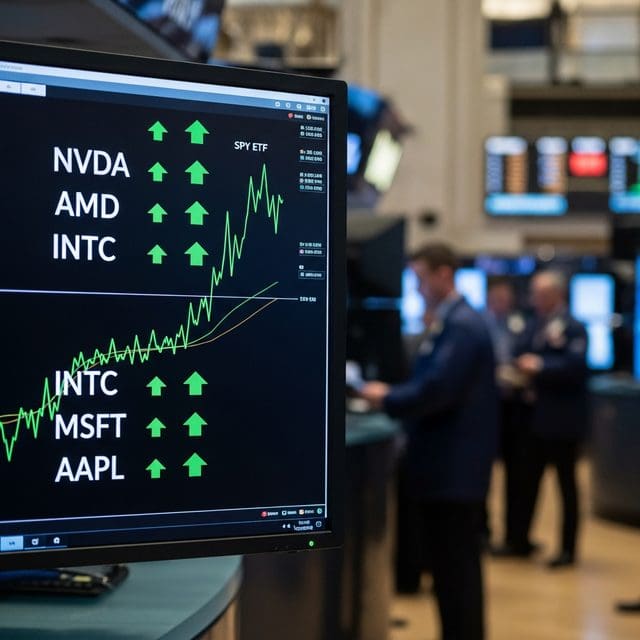
The S&P 500 benchmark SPY rose 0.45% Monday as investors balanced a historic semiconductor equity offering against local market volatility in Seoul and persistent Middle East tensions.