

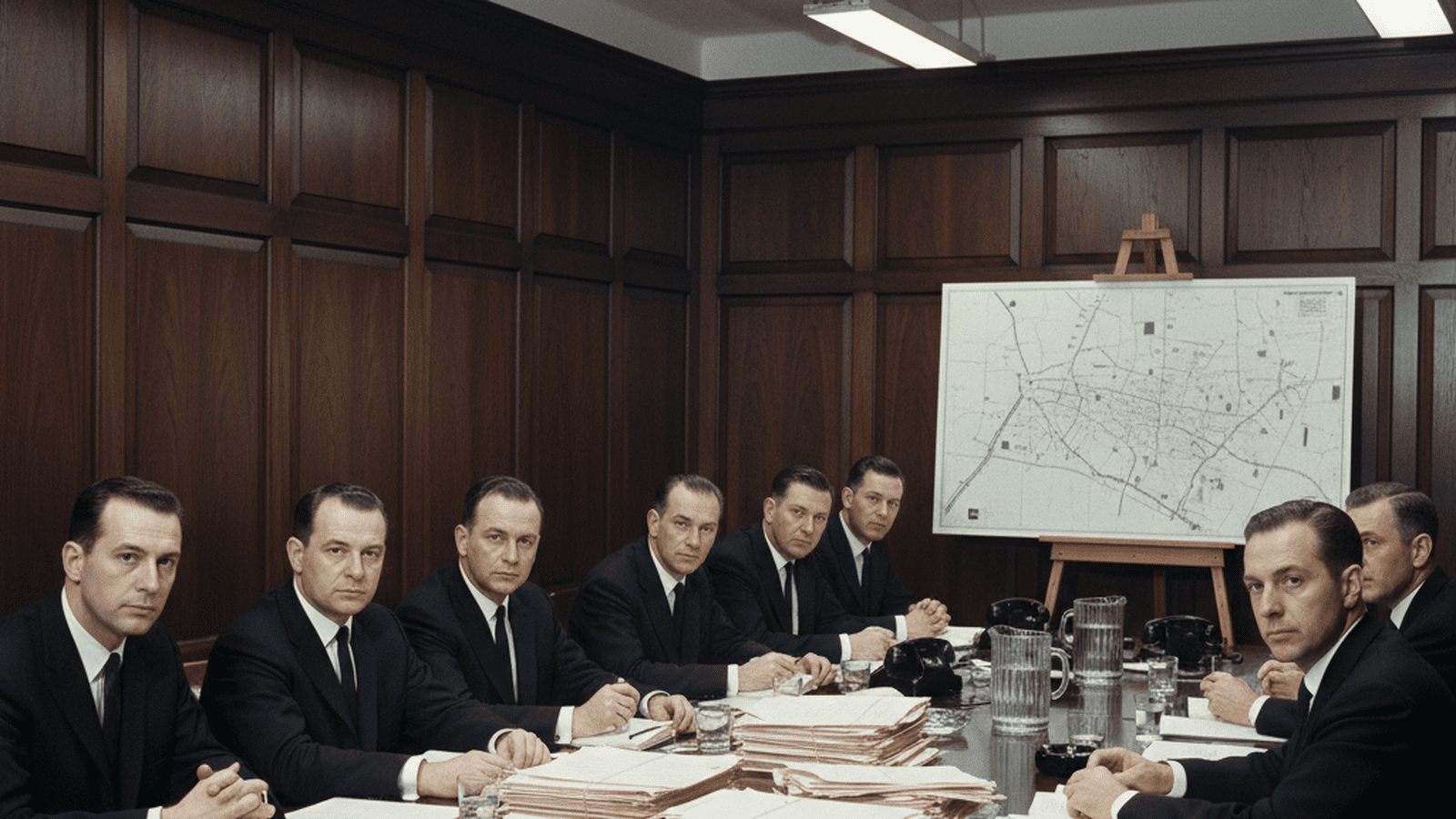
In the early 1960s, a massive corruption scandal involving the Massachusetts Department of Public Works revealed systemic bribery and inflated land appraisals within the United States interstate highway program. The resulting investigation led to the creation of the Massachusetts Crime Commission, which secured dozens of indictments against high-ranking officials and transformed state oversight.
TLDR: During the early 1960s, Massachusetts faced a reckoning over the “Great Highway Scandal,” where officials manipulated land takings for personal gain. The crisis prompted the formation of the Massachusetts Crime Commission, leading to unprecedented prosecutions of public figures and establishing new standards for ethical governance in United States public works projects.
The rapid expansion of the United States interstate highway system during the mid-20th century brought unprecedented mobility, but in Massachusetts, it also facilitated a period of deep-seated institutional graft. By 1960, rumors of “land-taking” schemes within the Department of Public Works (DPW) began to coalesce into a formal crisis. Officials were accused of conspiring with private real estate appraisers to artificially inflate the value of properties slated for demolition to make way for new expressways. These inflated payouts were then siphoned off, with a portion returned as kickbacks to the very bureaucrats and politicians who authorized the transactions.
The scale of the “Great Highway Scandal” became apparent as federal investigators and local reformers scrutinized the acquisition of land for routes like Interstate 95 and the proposed Inner Belt. In many instances, properties were purchased by well-connected individuals just months before the state announced a specific highway route. These individuals, often acting as “straw men” for politicians, would then sell the land back to the government at a massive profit based on fraudulent appraisals. The lack of transparency in the DPW allowed these transactions to flourish, draining millions of dollars from both state and federal coffers while delaying critical infrastructure projects.
Public outrage reached a boiling point as the details of the scheme filled the pages of Boston newspapers, depicting a government that prioritized private enrichment over public service. Governor John Volpe, a Republican who had previously served as the Federal Highway Administrator under President Eisenhower, recognized that the scandal threatened the state’s reputation and its ability to receive further federal aid. Volpe pushed for a comprehensive cleanup of the DPW, but he faced significant resistance from entrenched interests within the state legislature who benefited from the existing patronage system.
In response to the mounting evidence of systemic fraud, the Massachusetts legislature took the extraordinary step of creating the Massachusetts Crime Commission in 1962. This body was granted broad investigative powers, including the authority to subpoena records and compel testimony from reluctant public officials. Unlike previous grand juries, the Commission was designed to be a temporary but powerful entity focused specifically on uncovering organized corruption within the state government.
The Commission’s work was exhaustive and politically explosive. Led by prominent attorney Gardner Cox, the investigators delved into thousands of real estate transactions and interviewed hundreds of witnesses. They uncovered a “pay-to-play” culture that extended beyond the DPW into the state’s executive council and legislative branches. The findings suggested that corruption was not merely the work of a few rogue employees but was a structural component of how the state conducted its business. The investigation revealed that even the most routine contracts were often subject to illicit tolls paid to influential brokers.
By the mid-1960s, the Commission’s efforts resulted in the indictment of over 50 individuals, including high-ranking DPW officials, state legislators, and prominent contractors. The prosecutions sent shockwaves through the New England political establishment, signaling an end to the era of unchecked patronage in public works. The scandal also prompted the federal government to tighten oversight of the Highway Trust Fund, ensuring that state-level appraisals were subject to more rigorous independent audits and federal review.
The legacy of the Great Highway Scandal led to a fundamental restructuring of Massachusetts governance. In the years following the Commission’s final report, the state adopted more stringent conflict-of-interest laws and eventually established a permanent State Ethics Commission in 1978. These reforms were designed to insulate the procurement process from political interference and protect the integrity of public infrastructure projects. The episode remains a landmark in United States political history, illustrating the tension between rapid industrial development and the necessity of administrative accountability.
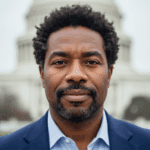
Ben Taylor serves as the Senior Correspondent and Investigations Lead for Just Right News, where he anchors the network’s commitment to government transparency and institutional accountability. With a career defined by a relentless pursuit of the facts, Taylor spearheads the acclaimed feature series “The Paper Trail,” a deep-dive investigative column that prioritizes primary source documentation over political rhetoric. Based in the heart of the nation’s capital, he has earned a reputation as one of the most formidable investigative journalists in Washington, D.C., known specifically for his mastery of public records and the Freedom of Information Act.
Taylor’s approach to journalism is deeply rooted in his upbringing in Kansas City, Missouri. Growing up in the “Show Me State,” he developed a healthy skepticism of centralized power and a profound respect for the common-sense values of the American heartland. This Midwestern foundation informs his reporting today, as he bridges the gap between the complex machinations of federal bureaucracy and the everyday concerns of citizens across the country. For Taylor, investigative reporting is not about chasing headlines; it is about ensuring that the government remains answerable to the people it serves.
As an African American man working within the conservative media landscape, Taylor brings a principled perspective to his beat. He views the Constitution and the right to information as the ultimate equalizers in a free society. His work often highlights how bureaucratic overreach and lack of transparency disproportionately affect individual liberties. By focusing on the “paper trail,” Taylor strips away the spin of partisan talking points, instead providing Just Right News readers with the raw data and internal communications that reveal how their tax dollars are spent and how policy decisions are actually made.
In his role as Investigations Lead, Taylor oversees a team dedicated to uncovering the stories that mainstream outlets often overlook. Whether he is auditing federal spending, investigating regulatory overreach, or exposing inefficiencies within the administrative state, his methodology remains consistent: follow the evidence wherever it leads. His presence in Washington, D.C., allows him to maintain a constant watch over the halls of power, yet he remains steadfastly connected to his roots, ensuring his reporting reflects the clarity and directness of his Missouri home.
Throughout his tenure at Just Right News, Taylor has become a vital voice for those who demand integrity in public office. He believes that a well-informed electorate is the strongest defense against government overreach, and he has dedicated his career to providing the public with the tools they need to hold their leaders accountable. Through “The Paper Trail” and his broader investigative work, Ben Taylor continues to set the standard for rigorous, document-driven journalism that champions the values of transparency, individual responsibility, and the rule of law.