

3M has agreed to pay up to $7.35 billion to settle PFAS groundwater-contamination lawsuits brought by people who say they were harmed. The deal could cover as many as 120,000 people and spreads payments over nine years, beginning with $50 million this year and annual payments above $1 billion from 2028 to 2033. The company did not admit liability, and it may cancel the deal if too few plaintiffs participate. The settlement provides a major compensation framework, while public-water limits, private-well gaps, and a delayed federal wastewater study remain unresolved. Participation and scheduled payments are the immediate next steps.
TLDR: The proposed 3M agreement offers as much as $7.35 billion for claims by up to 120,000 people, with payments scheduled over nine years. It does not admit liability, and its future depends on enough plaintiffs joining; separate PFAS rules and regulatory questions remain open.
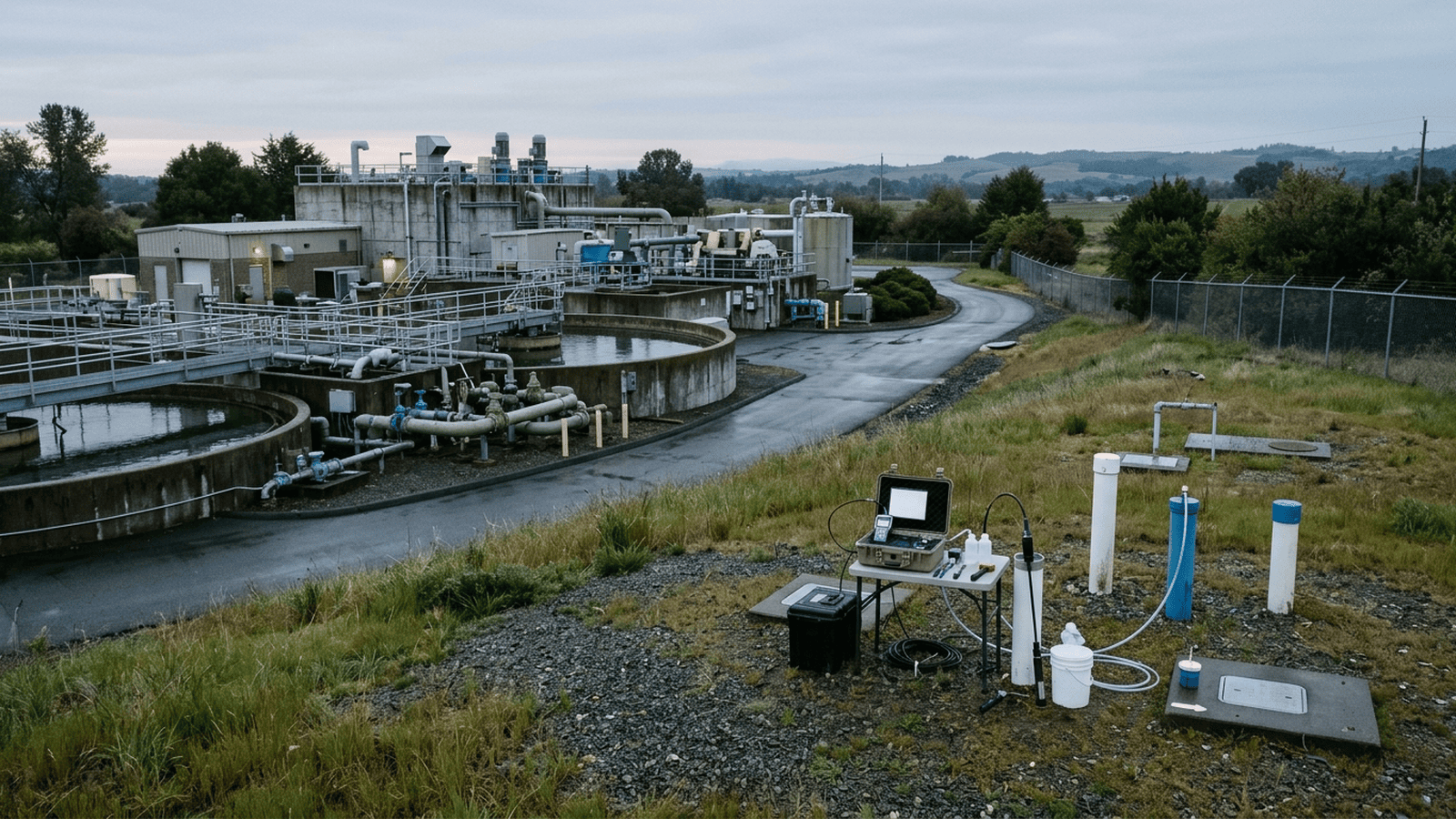
3M has agreed to pay as much as $7.35 billion to settle lawsuits over groundwater contamination involving PFAS, chemicals used in firefighting foam and other products. The agreement could cover as many as 120,000 people who say exposure harmed them. It offers a large path to compensation, but it does not settle every question about PFAS or establish that 3M was legally responsible for the contamination.
The practical rationale is to resolve a large group of lawsuits and reduce uncertainty from continuing litigation. 3M chairman William Brown called the settlement a “significant milestone” that substantially reduces that uncertainty. Plaintiffs’ attorney Fred Thompson said people had sought answers and accountability for nearly a decade and needed help with mounting medical bills and other costs.
The agreement is a settlement, not an admission of liability. 3M did not admit responsibility for the contamination. The distinction matters: the lawsuits include claims by people who say they were sickened, while the settlement sets out payments without a finding in this account that 3M caused the alleged harm. The agreement provides a financial resolution for participating plaintiffs, but it does not turn the allegations into established court findings.
PFAS is the collective name for per- and polyfluoroalkyl substances. They are often called “forever chemicals” because they do not degrade naturally in the environment. The chemicals have been linked to health problems, including liver and immune system damage and some cancers. They are used in firefighting foam and in products such as nonstick cookware, water-resistant clothing and grease-resistant materials. Groundwater contamination has occurred near military bases, airports and other locations where the foam was used to put out fires.
The scale of the settlement reflects how widely the claims reach. Payments are to be made over nine years, with as many as 120,000 people potentially covered. The schedule begins with $50 million this year, followed by annual payments of more than $1 billion from 2028 through 2033. The total could rise if enough plaintiffs participate. If too few sign on, 3M can cancel the settlement and continue fighting the lawsuit. That condition leaves the agreement dependent on participation rather than making the stated maximum automatic.
The deal sits within a broader series of PFAS-related settlements. 3M previously agreed to pay $450 million to settle New Jersey claims involving natural-resource contamination, and it agreed to pay more than $10 billion to many U.S. public drinking-water systems. DuPont de Nemours, Chemours and Corteva have also agreed to settlements totaling more than $1 billion to resolve PFAS claims. Those agreements indicate substantial legal exposure across several companies, but each resolves claims under its own terms.
Regulatory protections and gaps remain relevant to affected communities. The Environmental Protection Agency has set strict limits on PFAS in drinking water from public utilities and requires testing. Those rules do not apply to private wells. A federal study intended to help regulators identify industries releasing PFAS in wastewater has been stalled for two years while awaiting review by the White House Office of Management and Budget. The settlement itself does not resolve that review or extend public-water requirements to private wells.
For people covered by the deal, the practical impact is a payment process that could reach as many as 120,000 claimants and unfold over nine years. The announced schedule includes an initial $50 million payment this year and annual payments above $1 billion from 2028 to 2033, with possible additional payments if participation is high enough. The excerpt does not specify forms, individual payment amounts, a claimant deadline, or a separate enforcement process. It also does not say how the settlement will address people who rely on private wells. Those details remain unresolved in the available account, while 3M retains the option to withdraw if too few plaintiffs participate.
The next steps are participation in the settlement and the scheduled payments, alongside continued attention to drinking-water rules and the delayed federal study. The agreement reduces uncertainty for 3M and creates a substantial compensation framework for plaintiffs, but it does not amount to an admission of liability or a complete response to PFAS exposure. The payment schedule and participation condition are necessary steps to determine whether the settlement proceeds as announced; the remaining regulatory review and oversight are not yet complete.

Greg Sanders serves as the Senior Correspondent for Corporate Power and Antitrust at Just Right News, where he brings a principled, conservative perspective to the complex intersection of big business, government regulation, and the American consumer. With a career dedicated to investigative depth and economic clarity, Greg has become a leading voice in examining how the consolidation of industry power impacts the foundational values of the free market and individual liberty.
Raised in Denver, Colorado, Greg’s reporting is deeply informed by the Western spirit of independence and a healthy skepticism of centralized authority. Growing up in the shadows of the Rockies, he witnessed firsthand the importance of local entrepreneurship and the vital role that small-medium enterprises play in sustaining vibrant communities. This upbringing instilled in him a belief that the American Dream is best preserved when the playing field remains level and when competition—rather than backroom deals between corporate lobbyists and federal regulators—dictates success. For Greg, the rugged individualism of his home state serves as a constant reminder that the economy should serve the people, not the other way around.
Now based in Chicago, Illinois, Greg operates from the heart of the nation’s industrial and financial crossroads. His location in the Midwest provides him with a unique vantage point to observe the real-world consequences of corporate overreach. From the boardrooms of the Loop to the manufacturing hubs that define the region, he tracks the movement of capital and the shifting tides of market influence. Chicago’s history as a center of trade and labor offers a rich backdrop for his work, allowing him to bridge the gap between high-level economic theory and the lived experiences of hardworking Americans who feel the squeeze of monopolistic practices.
At Just Right News, Greg’s beat focuses on the “new monopolies” and the rise of “woke” corporate culture. He argues that when corporations become too large, they often abandon their fiduciary duties to shareholders in favor of social engineering and political posturing. His reporting seeks to hold these “Titans” accountable, ensuring that the power of the purse is not used to silence dissent or bypass the democratic process. He is a firm advocate for the idea that true conservatism requires a vigilant defense of competition, preventing any single entity—public or private—from exerting undue control over the lives of citizens.
This mission is most clearly seen in his acclaimed feature series, “The Titans and the Toll.” In this ongoing project, Greg explores the human cost of market consolidation, from the erosion of consumer choice to the decline of local economies. Through rigorous analysis and boots-on-the-ground reporting, he documents how the concentration of power in sectors like tech, agriculture, and finance creates a “toll” paid by the average family.
Greg Sanders remains committed to the idea that a transparent, competitive market is the greatest engine for prosperity ever devised. Through his work at Just Right News, he continues to provide the essential oversight necessary to protect that engine from the encroaching influence of corporate giants and the bureaucratic structures that enable them.