

Internal records and FOIA filings expose a critical month-long gap between the identification of contaminated lettuce and federal inspections during a 17-state outbreak.
A growing paper trail of state open-records disclosures and federal filings has exposed a significant lag in the government’s response to a multistate cyclospora outbreak that has now sickened 9,481 people. While the Food and Drug Administration (FDA) only recently dispatched investigators to a Taylor Farms facility in Mexico on August 14, internal documents indicate the agency possessed the necessary supply-chain data to pinpoint the source more than a month earlier. This discrepancy has sparked a wave of transparency demands as the public health crisis expands across 17 states.
Public records obtained from Michigan health authorities by news investigators show that the FDA had received the records required to identify the Taylor Farms Mexico plant by July 13. Despite this critical intelligence, the outbreak continued to spread, with Maine and Massachusetts recently added to the list of affected jurisdictions. The human cost of this delay is documented in updated federal case totals: 398 hospitalizations and two confirmed deaths, with illnesses now confirmed to have run through at least August 3. The disconnect between the receipt of data and the commencement of onsite inspections has triggered a surge in accountability efforts from both the media and non-profit watchdogs.
According to FOIAengine, at least 21 Freedom of Information Act (FOIA) requests have been filed by news organizations and non-profits seeking to unearth the internal decision-making process at the FDA and the Department of Health and Human Services (HHS). These requests are specifically targeting communications that may explain why a recall and international inspection were not initiated immediately upon the identification of the supply-chain link. The records search is broader than the outbreak itself, encompassing post-January 20, 2025, communications policies that may have altered how the agency handles public health disclosures.
Legislative pressure is mounting as lawmakers utilize their oversight authority to bypass standard FOIA delays. Senator Richard Blumenthal issued a formal demand on July 30 for all FDA response records and communications with the White House and Taylor Farms, setting an August 13 deadline for production. This was followed by a sharp escalation from Senator Elizabeth Warren, who requested that HHS explain its posture on food safety and disclose all correspondence with the supplier. The inquiry specifically focuses on whether administrative hurdles or White House contacts influenced the timing of the recall.
The investigation into Taylor Farms occurs against a backdrop of broader federal scrutiny. On August 18, the Department of Justice’s independent watchdog launched a separate review into the Drug Enforcement Agency’s investigative tactics involving fentanyl trafficking. Simultaneously, the FDA continues to monitor three separate cyclospora clusters tied to not-yet-identified products, involving 14, 201, and 27 cases respectively. These parallel investigations suggest a systemic challenge within the administrative state regarding the timely processing of investigative leads.
While the FDA and CDC continue their onsite sampling in Mexico, the document trail suggests the window for prevention may have closed weeks ago. The records currently available do not establish specific wrongdoing, but they do confirm a timeline that contradicts the agency’s public narrative of a rapid, science-led response. As more documents are released under federal transparency laws, the focus remains on why the administrative state waited until mid-August to step onto the ground in Mexico when the trail led there in mid-July. The public interest demands a clear accounting of why these records were not acted upon sooner, potentially preventing thousands of infections.
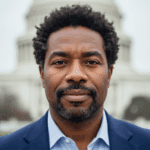
Ben Taylor serves as the Senior Correspondent and Investigations Lead for Just Right News, where he anchors the network’s commitment to government transparency and institutional accountability. With a career defined by a relentless pursuit of the facts, Taylor spearheads the acclaimed feature series “The Paper Trail,” a deep-dive investigative column that prioritizes primary source documentation over political rhetoric. Based in the heart of the nation’s capital, he has earned a reputation as one of the most formidable investigative journalists in Washington, D.C., known specifically for his mastery of public records and the Freedom of Information Act.
Taylor’s approach to journalism is deeply rooted in his upbringing in Kansas City, Missouri. Growing up in the “Show Me State,” he developed a healthy skepticism of centralized power and a profound respect for the common-sense values of the American heartland. This Midwestern foundation informs his reporting today, as he bridges the gap between the complex machinations of federal bureaucracy and the everyday concerns of citizens across the country. For Taylor, investigative reporting is not about chasing headlines; it is about ensuring that the government remains answerable to the people it serves.
As an African American man working within the conservative media landscape, Taylor brings a principled perspective to his beat. He views the Constitution and the right to information as the ultimate equalizers in a free society. His work often highlights how bureaucratic overreach and lack of transparency disproportionately affect individual liberties. By focusing on the “paper trail,” Taylor strips away the spin of partisan talking points, instead providing Just Right News readers with the raw data and internal communications that reveal how their tax dollars are spent and how policy decisions are actually made.
In his role as Investigations Lead, Taylor oversees a team dedicated to uncovering the stories that mainstream outlets often overlook. Whether he is auditing federal spending, investigating regulatory overreach, or exposing inefficiencies within the administrative state, his methodology remains consistent: follow the evidence wherever it leads. His presence in Washington, D.C., allows him to maintain a constant watch over the halls of power, yet he remains steadfastly connected to his roots, ensuring his reporting reflects the clarity and directness of his Missouri home.
Throughout his tenure at Just Right News, Taylor has become a vital voice for those who demand integrity in public office. He believes that a well-informed electorate is the strongest defense against government overreach, and he has dedicated his career to providing the public with the tools they need to hold their leaders accountable. Through “The Paper Trail” and his broader investigative work, Ben Taylor continues to set the standard for rigorous, document-driven journalism that champions the values of transparency, individual responsibility, and the rule of law.