

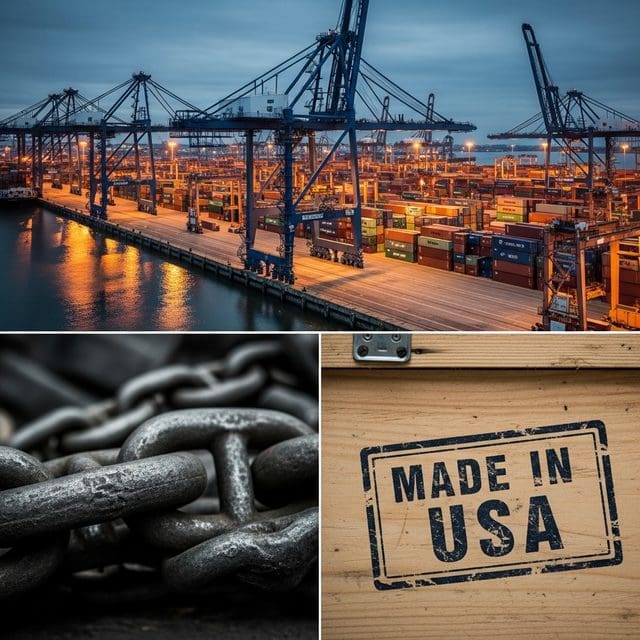
The expiration of temporary global duties gives way to a permanent 12.5% tariff on 60 nations, prioritizing domestic industry while triggering diplomatic friction with traditional allies.
The transition from temporary trade measures to a permanent protection of the American market reached a milestone this week. On July 24, the administration’s temporary 10% global import tariff expired, replaced by a robust Section 301 regime. These new duties, ranging from 10% to 12.5%, now apply to goods from 60 trading partners, covering 99.4% of all U.S. imports. For the American blue-collar worker, this shift represents a strategic pivot toward domestic stability and a rejection of globalist policies that prioritize corporate efficiency over local prosperity.
The new policy balances domestic manufacturing growth with essential commodity needs. Key carve-outs include oil, gas, fertilizer, foodstuffs, aircraft parts, and critical minerals. These exemptions limit direct cost pressure on energy and agricultural inputs, shielding consumers from immediate spikes. However, the burden has shifted decisively toward manufactured goods, signaling that the era of unfettered outsourcing is being met with a firm domestic boundary.
The journey of goods from foreign factories to American shelves is becoming increasingly complex. In the weeks leading up to the July 24 deadline, U.S. importers engaged in a massive front-loading of cargo, particularly from Asia. This surge produced an unusual early peak in ocean bookings as businesses scrambled to beat the new rates. While goods already in transit are granted a grace period until July 28, the industry is now bracing for a potential demand cliff as the new costs settle into the supply chain.
Geopolitical fallout is already significant. Traditional allies, including the EU, Japan, and Canada, now face the 12.5% hurdle, sparking diplomatic blowback and threats of tit-for-tat measures. Furthermore, a separate 25% tariff on Brazilian imports took effect July 22. While it spares beef and coffee, it hits high-value paper and dissolving pulp. This measure is expected to rewire supply chains for rayon and specialty materials manufacturing, forcing companies to seek new sources for raw inputs.
Logistical challenges persist despite trade route stabilization elsewhere. While the reopening of the Strait of Hormuz following the U.S.-Iran memorandum initially dropped oil prices by 10% in April, the cost of moving goods remains high. War-risk premiums for Gulf transits have re-anchored at 5% of vessel value since July attacks, adding up to $6,000 per container on routes to Europe. These costs feed through to the landed price of petrochemicals, further squeezing domestic margins.
Across the U.S. transport network, pressure is intense. Fuel costs and constrained capacity are pushing truckload and parcel rates to historic highs. Less-than-truckload fuel surcharges are now 60% above 2025 levels, and 2026 is on track to be the most expensive year on record for cost-per-package delivery. Ultimately, these tariffs are about the dignity of local production. As the cost of foreign goods rises, the incentive to reinvest in American manufacturing grows, ensuring the things we use are once again made by our own neighbors.

Sean Bradley serves as the Senior Correspondent for Trade, Supply Chains, and Global Labor at Just Right News, where he brings a principled, clear-eyed perspective to the complex systems that power the modern world. With a focus on the economic forces that impact the American household, Bradley has distinguished himself as a leading voice in explaining how global shifts in manufacturing and logistics translate to the kitchen table.
Growing up in Long Beach, California, Bradley’s interest in the movement of goods was forged against the backdrop of one of the nation’s most vital maritime gateways. Raised in a community where the towering cranes of the port were a constant fixture on the horizon, he developed an early appreciation for the blue-collar industries that form the backbone of the American economy. This upbringing instilled in him a profound respect for the dockworkers, truckers, and laborers who keep the country moving, a sentiment that remains a cornerstone of his reporting today. For Bradley, trade is not merely a series of abstract figures on a spreadsheet; it is a human endeavor that sustains families and defines the strength of a nation.
Now based in Seattle, Washington, Bradley occupies a strategic vantage point in another of the country’s most significant trade hubs. His location allows him to witness firsthand the intersection of traditional industry and the evolving technological landscape of global logistics. From the Pacific Northwest, he monitors the flow of goods across the ocean, providing Just Right News readers with timely insights into how international tensions, regulatory hurdles, and labor disputes affect the availability and cost of essential goods.
His signature feature series, “The Journey of Things,” has become a staple for readers seeking to understand the intricate path products take from raw materials to the retail shelf. Through this series, Bradley pulls back the curtain on the global marketplace, often highlighting the risks of over-reliance on foreign adversaries and the importance of domestic manufacturing resilience. His reporting consistently emphasizes the conservative values of national sovereignty, free-market competition, and the protection of the American worker from unfair global practices.
As a journalist of Irish heritage, Bradley maintains a deep-seated respect for the dignity of the individual worker and the importance of community stability. He approaches his beat with a commitment to transparency, often questioning the status quo of globalist policies that prioritize corporate efficiency over local prosperity. Whether he is reporting from a warehouse floor or analyzing a new international trade agreement, his goal remains the same: to provide the American public with the truth about where their products come from and what it costs to get them there.
Throughout his tenure at Just Right News, Bradley has remained a steadfast advocate for economic common sense. His work serves as a vital resource for those who believe that a strong nation is built on secure borders, robust trade, and a respected workforce. By combining his local roots in Long Beach with his professional experience in Seattle, Bradley continues to offer a unique and necessary perspective on the forces that shape the American way of life.