

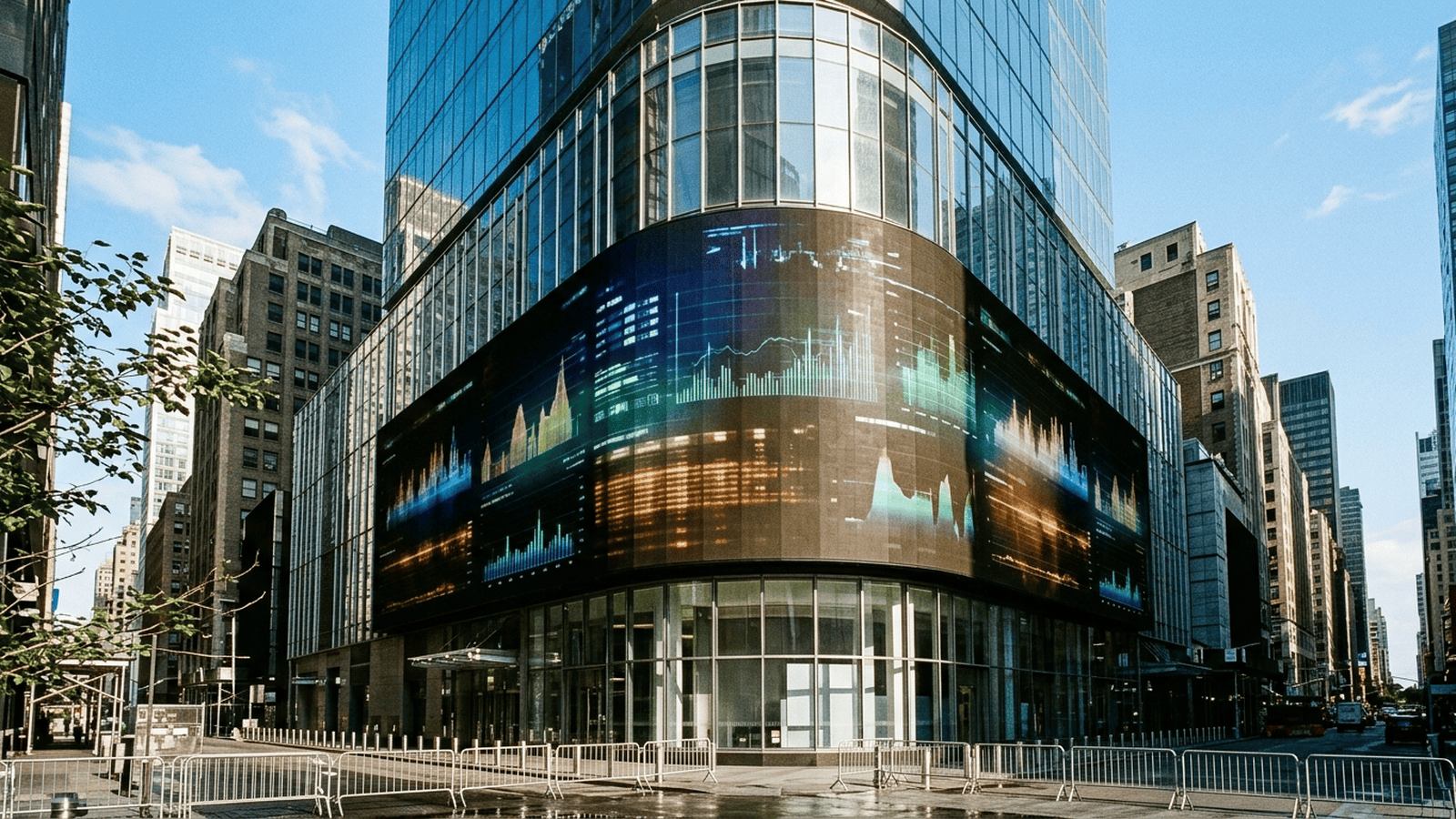
Anthropic is set to begin Nasdaq trading under the ticker ANT after raising $81.3 billion in the largest initial public offering on record. The company priced 980 million Class A shares at $83, above its original range, amid strong investor demand, and its valuation is roughly $1.5 trillion. Anthropic has also said it plans to raise another $26 billion from major technology companies. The debut offers a high-profile test of investor appetite for AI, even as questions grow about industry losses, capital spending, debt and returns. Shares could rise or fall after trading begins, and past blockbuster IPOs have sometimes suffered steep first-year declines.
TLDR: Anthropic raised a record $81.3 billion and is scheduled to start trading on Nasdaq as ANT, with shares priced at $83. The debut tests demand for AI investments amid concerns about sector costs and debt, while the stock’s future performance remains uncertain.
Anthropic is set to begin trading on the Nasdaq on Thursday after completing the largest initial public offering in history. The San Francisco-based artificial intelligence company raised $81.3 billion, surpassing the $75 billion raised by SpaceX when it went public in June. Its shares will trade under the ticker symbol ANT.
There is no government policy change in this story, and the available account gives no official policy rationale. Anthropic’s stated case for going public rests on the importance of artificial intelligence and the chance to shape its development. CEO Dario Amodei said machine intelligence marks a seminal moment in human history and described an opportunity to shape it for the better.
The offering values the company behind the Claude chatbot at roughly $1.5 trillion. That is more than the valuations of Berkshire Hathaway, JPMorgan Chase, Visa and Walmart, according to the account. The scale puts a young technology sector at the center of a public-market test, where buyers and sellers will set a visible price for expectations about AI.
Anthropic said it would offer 980 million shares of Class A common stock at $83 each. The company had initially set a price range of $70 to $78, then raised the price amid heavy investor demand. The final price and the record fundraising total show how strongly investors sought access to the offering before trading began.
Anthropic has also said it plans to raise another $26 billion from other companies, including AMD, Broadcom, Google, Microsoft and Nvidia. If completed as described, that would bring its total fundraising to around $107 billion. The details in the available account do not specify additional terms for that planned funding.
The debut gives investors a prominent new way to express a view on the AI industry. It also offers a test of whether enthusiasm for the sector can hold up as public trading begins. The Nasdaq rose 460 points, or 1.9%, in early trading amid attention around the offering, though the account says the IPO appeared to help lift stocks more broadly rather than establishing it as the sole cause.
Anthropic is the first frontier AI lab to go public. Its arrival comes as investors ask harder questions about the sector’s growing losses, capital spending and returns, Sam Grelck, an equity strategy analyst at Truist Advisory Services, told CBS News. Those questions make the debut more than a fundraising milestone. The market will have to weigh the company’s prospects against the costs and financial risks tied to the wider AI buildout.
Those risks are already shaping investor sentiment. AI-related stocks have swung sharply in recent weeks amid concern about debt taken on to finance data centers and a possible Democratic-led crackdown on the AI boom after the midterms. Jensen Huang’s departure from Nvidia last week also rattled investors, according to the account. These pressures make a clear market price useful, but they do not make that price a final judgment on the industry.
A strategist at Renaissance Capital, Matthew Kennedy, said Anthropic shares could reach $100 by the end of their first trading day. That is an estimate, not a guaranteed outcome. The stock could also waver in the months ahead, as large public offerings sometimes do. In a Truist study of 32 of the biggest IPOs, more than half saw their shares fall by at least 50% at some point during their first year of trading.
The practical impact is direct for investors choosing whether to buy or sell shares. The offering sets a price of $83 for 980 million Class A shares, and the stock is scheduled to begin trading Thursday under ANT. No separate investor fees, forms, compliance requirements or enforcement steps are specified in the account. The possible additional $26 billion in company funding remains a stated plan, while the first-day price and later share movements remain uncertain.
The opening bell in New York, rung by Dario Amodei and his sister Daniela, marked the move from private fundraising to public trading. Grelck cautioned that the reception should be treated as another indication of investor appetite, not as a verdict on AI. The necessary next steps are the market debut and continued attention to how the shares perform, including the financial questions investors are already raising. The experts have this handled.

Olivia Kendall serves as the Senior Correspondent for Geopolitics, Defense, and Foreign Policy at Just Right News, where she provides a principled, conservative perspective on the complex forces shaping the global stage. With a career dedicated to deconstructing the intricacies of international relations, Kendall has become a trusted voice for readers who value national sovereignty, a robust military, and a foreign policy that prioritizes American interests above all else.
A native of Washington, D.C., Kendall’s professional journey is deeply rooted in her upbringing within the nation’s capital. Growing up in the epicenter of American political life, she developed an early and profound understanding of how policy is crafted and, more importantly, how it often fails to account for the values of the American heartland. This unique vantage point allowed her to witness firsthand the rise of globalist bureaucracies, fueling her commitment to reporting that champions the constitutional foundations of the United States. Her background as a British White American further informs her worldview, providing her with a keen appreciation for the Western tradition and the enduring importance of the “Special Relationship” in maintaining global stability.
Now based in Arlington, Virginia, Kendall operates from the doorstep of the Pentagon and the heart of the nation’s defense establishment. Her proximity to the decision-makers in the military and intelligence communities allows her to provide boots-on-the-ground reporting that is both timely and deeply informed. For Kendall, Arlington is more than just a base of operations; it is a daily reminder of the sacrifices made by the men and women in uniform. This connection to the defense community drives her rigorous coverage of military readiness and her advocacy for a “peace through strength” approach to diplomacy.
At Just Right News, Kendall is perhaps best known for her acclaimed feature series, “The World’s Shadow on America.” In this ongoing project, she explores the direct correlation between international developments and the daily lives of American citizens. Whether she is analyzing the encroachment of foreign adversaries in domestic supply chains or the impact of international treaties on local economies, Kendall’s work serves as a vital bridge between distant geopolitical shifts and their consequences at home. She rejects the notion that foreign policy is an abstract concern for elites, instead proving that what happens in the corridors of power in Brussels or Beijing has a tangible “shadow” that falls across every American doorstep.
Throughout her tenure, Kendall has remained a steadfast critic of international overreach and a vocal proponent of a clear-eyed, realistic foreign policy. She brings a sharp analytical mind to her beat, often challenging the prevailing narratives of the mainstream media to uncover the underlying truths that affect national security. Her reporting is characterized by a refusal to compromise on the truth and a dedication to the idea that a strong, secure America is the world’s best hope for liberty. As a Senior Correspondent, Olivia Kendall continues to lead the charge in providing the essential context and conservative insight necessary to navigate an increasingly volatile world.