

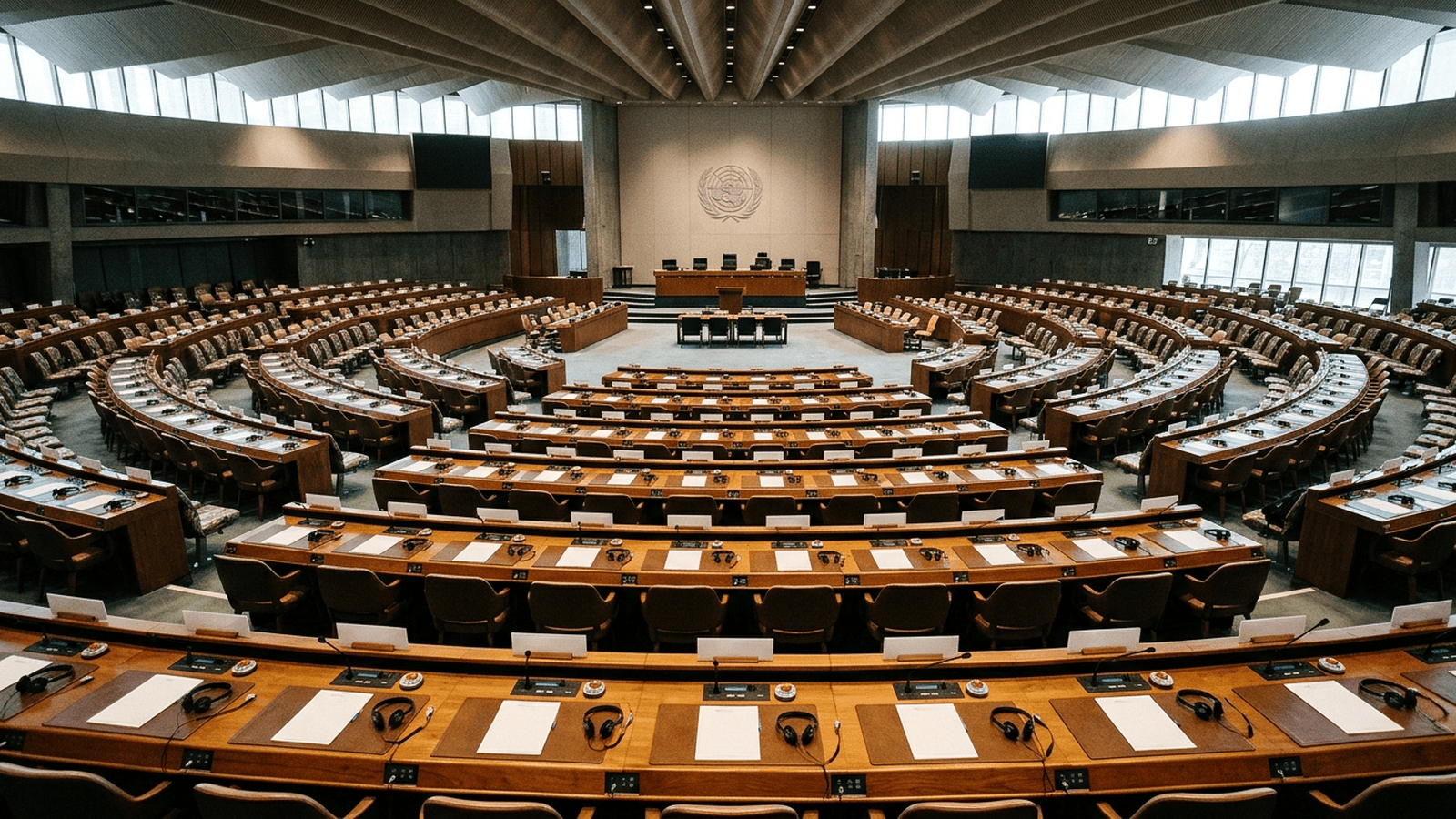
The United Nations is set to vote on a resolution condemning the U.S. embargo on Cuba, a debate that has returned to the General Assembly for 34 years. Last year, 165 countries supported the resolution, seven opposed it and 12 abstained; this year’s final count is not yet known. The nonbinding vote comes as the Trump administration increases economic pressure and has threatened tariffs on countries supplying oil to Cuba. The warning has effectively cut off fuel, contributing to power outages that affect cooking, water, internet and telephone service. U.S. Ambassador Mike Waltz and Cuban Foreign Minister Bruno Rodríguez also had a heated exchange during Tuesday’s debate, underscoring the rising public tension.
TLDR: The General Assembly is expected to approve another nonbinding resolution against the decades-old U.S. embargo, though the final vote count remains uncertain. Meanwhile, threatened tariffs on oil suppliers have effectively cut off fuel to Cuba, with outages disrupting basic services.
The United Nations is scheduled to vote Wednesday on a resolution condemning the decades-old U.S. economic embargo on Cuba. The annual vote puts Washington’s policy before the General Assembly again as the Trump administration increases pressure on Cuba’s socialist government. The resolution is expected to pass by a large margin, though the final tally was not available in the report.
The stated purpose of the annual exercise is to call out what the resolution describes as the U.S. “maximum pressure policy.” The General Assembly has considered such a resolution for 34 years, and member states have supported it by wide margins. The vote is not legally binding, but it reflects the views of governments represented at the United Nations. The excerpt does not give a separate official explanation from the U.S. administration for the current policy.
Last year, the resolution received 165 votes in favor, seven against and 12 abstentions. The General Assembly has 193 member states. This year, it remains unclear whether the administration’s efforts to influence the vote will lead to more opposition or abstentions, including among Western allies. The expected outcome is a large majority for the resolution, but the final count will show whether the voting pattern has changed.
The debate is unfolding amid worsening financial troubles in Cuba and a tightening U.S. economic campaign. President Donald Trump announced in late January that the United States would impose tariffs on any country that sells or provides oil to Cuba. The warning has effectively cut off fuel supplies to the island, according to the report. That loss has been linked to widespread power outages affecting cooking, water supplies, internet access and telephone service.
The report describes the U.S. policy as aimed at undermining Cuba’s socialist government. Trump also raised the possibility of military intervention last week, saying U.S. warships could stop in Cuba on their way back from the Iran war. The remark came as the embargo vote approached and added to the public tensions between Washington and Havana. The excerpt does not describe a specific plan or timetable for military action.
Those tensions were visible on Tuesday inside the General Assembly. U.S. Ambassador to the United Nations Mike Waltz and Cuban Foreign Minister Bruno Rodríguez argued during the debate over the resolution. After Waltz began criticizing Cuba’s government, Rodríguez walked to the podium and called him a liar while seeking a point of order from the presiding official. U.N. security personnel and staff tried to intervene.
Waltz told Rodríguez to move away from the podium and said he would not be intimidated. He also invoked the United States as he spoke. Rodríguez later wrote on X that the remarks were being made at the United Nations, not at a White House national security meeting. He accused the U.S. government of trying to justify economic pressure on Cuba. Those accusations are Rodríguez’s claims, not findings established in the report.
The exchange followed another tense encounter a week earlier. Waltz and Cuba’s U.N. counterpart, Ernesto Soberón Guzmán, had a similar interaction outside a U.S.-hosted panel. That event included Cuban dissidents and former prisoners and was intended to highlight allegations of oppressive conduct by Cuba’s government. Together, the incidents mark a visible departure from the diplomatic decorum traditionally expected at the United Nations, according to the report.
The embargo dates to 1960, after Fidel Castro led a revolution that toppled Fulgencio Batista and Cuba nationalized property belonging to U.S. citizens and companies. The current dispute therefore joins a long-running policy and a new round of pressure. The resolution’s annual return gives member states a formal forum to register their view, while the U.S. campaign and Cuba’s economic hardship continue outside the Assembly chamber.
The practical effects described are significant, but several policy details are not provided. The announced measure would impose tariffs on countries that sell or provide oil to Cuba, and the warning has effectively cut off fuel to the island. The report does not specify tariff rates, forms, compliance procedures, enforcement steps or a deadline for affected countries. The directly affected parties include oil suppliers and people in Cuba experiencing outages that disrupt basic services. The General Assembly vote is the immediate next step; its result and the administration’s further actions remain to be seen. Those are necessary steps in tracking what follows, but the excerpt offers no expert assurance that the consequences are fully handled.
Ben Taylor serves as the Senior Correspondent and Investigations Lead for Just Right News, where he anchors the network’s commitment to government transparency and institutional accountability. With a career defined by a relentless pursuit of the facts, Taylor spearheads the acclaimed feature series “The Paper Trail,” a deep-dive investigative column that prioritizes primary source documentation over political rhetoric. Based in the heart of the nation’s capital, he has earned a reputation as one of the most formidable investigative journalists in Washington, D.C., known specifically for his mastery of public records and the Freedom of Information Act.
Taylor’s approach to journalism is deeply rooted in his upbringing in Kansas City, Missouri. Growing up in the “Show Me State,” he developed a healthy skepticism of centralized power and a profound respect for the common-sense values of the American heartland. This Midwestern foundation informs his reporting today, as he bridges the gap between the complex machinations of federal bureaucracy and the everyday concerns of citizens across the country. For Taylor, investigative reporting is not about chasing headlines; it is about ensuring that the government remains answerable to the people it serves.
As an African American man working within the conservative media landscape, Taylor brings a principled perspective to his beat. He views the Constitution and the right to information as the ultimate equalizers in a free society. His work often highlights how bureaucratic overreach and lack of transparency disproportionately affect individual liberties. By focusing on the “paper trail,” Taylor strips away the spin of partisan talking points, instead providing Just Right News readers with the raw data and internal communications that reveal how their tax dollars are spent and how policy decisions are actually made.
In his role as Investigations Lead, Taylor oversees a team dedicated to uncovering the stories that mainstream outlets often overlook. Whether he is auditing federal spending, investigating regulatory overreach, or exposing inefficiencies within the administrative state, his methodology remains consistent: follow the evidence wherever it leads. His presence in Washington, D.C., allows him to maintain a constant watch over the halls of power, yet he remains steadfastly connected to his roots, ensuring his reporting reflects the clarity and directness of his Missouri home.
Throughout his tenure at Just Right News, Taylor has become a vital voice for those who demand integrity in public office. He believes that a well-informed electorate is the strongest defense against government overreach, and he has dedicated his career to providing the public with the tools they need to hold their leaders accountable. Through “The Paper Trail” and his broader investigative work, Ben Taylor continues to set the standard for rigorous, document-driven journalism that champions the values of transparency, individual responsibility, and the rule of law.