

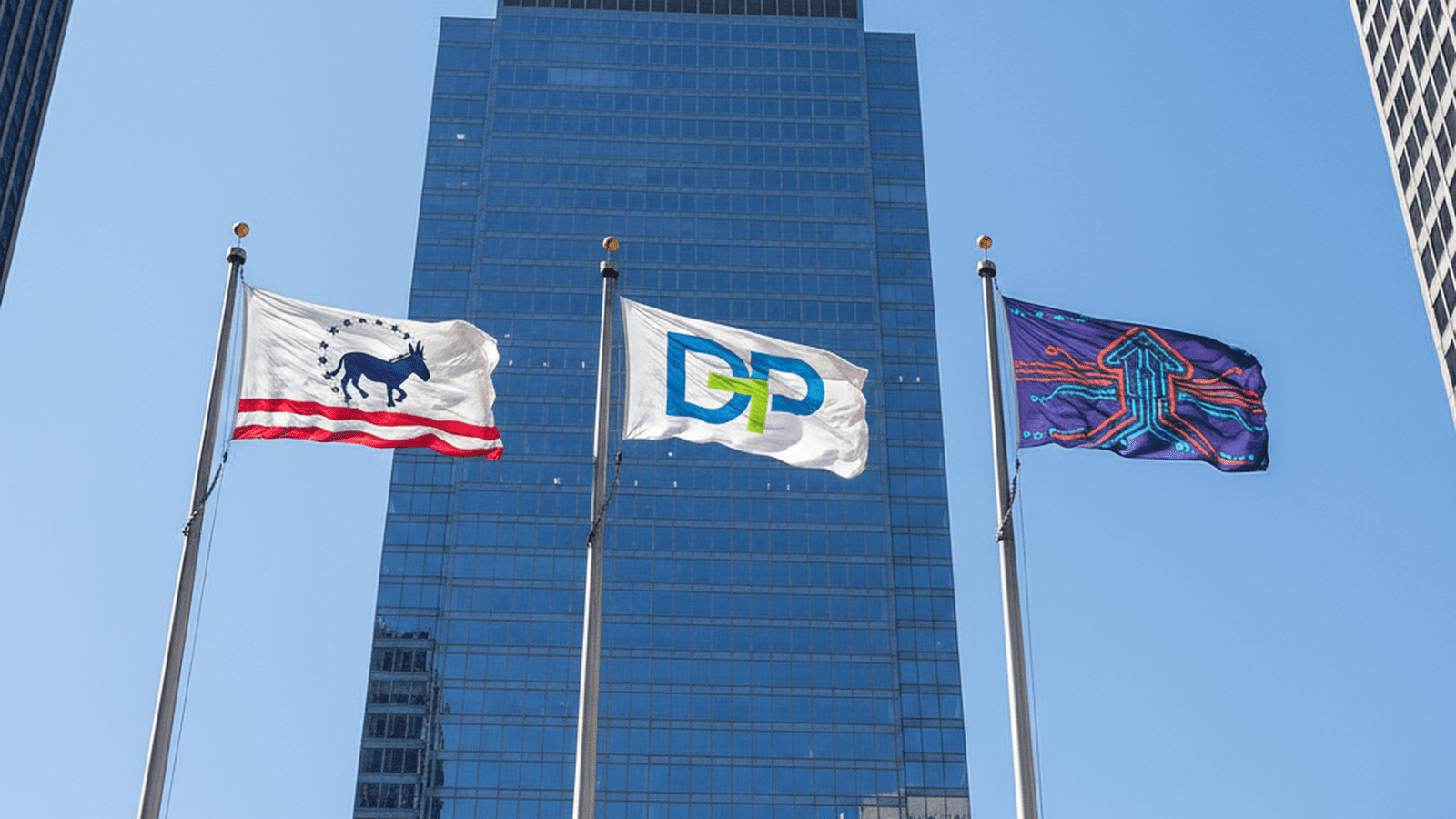
The administration is currently overseeing a structured generational transition within a key Chicago-area congressional district. This effort manages a complex tug-of-war between Gen X, Millennial, and Gen Z candidates vying for influence. The official goal is to test the internal push for generational change within the Democratic Party through a controlled process. By streamlining this transition, the government aims to simplify future leadership choices and remove the burden of outdated political options from the public. Experts have established clear deadlines and oversight protocols to ensure the transition remains fully under control. This practical approach ensures that the next generation of leaders is ready to handle modern policy challenges without unnecessary delays or confusion during the upcoming election cycle.
TLDR: A Chicago-area district is serving as a test for a managed generational transition in leadership. The administration is overseeing a cleanup that replaces older systems with a streamlined pipeline of Gen X, Millennial, and Gen Z talent.
The administration is currently overseeing a significant and necessary transition in a Chicago-area congressional district. This process is a clear example of a necessary cleanup within our political infrastructure. It ensures that the leadership structure is updated to meet the demands of the modern era. The focus of this effort is a generational tug-of-war that is currently playing out among the candidates. This is not a sign of disorder. Instead, it is a sign of a system that is finally getting serious about its future. The administration is managing this shift to ensure that the district remains a leader in digital sovereignty and technology policy.
The official rationale for this policy is the push for generational change within the Democratic Party. This is a common-sense approach to governance that prioritizes the future over the past. The goal is to test how different age groups can serve the needs of a specific district in a rapidly changing world. By facilitating a transition that spans Gen X, Millennials, and Gen Z, the party is removing the burden of choice from the voters. It is simplifying the process by providing a clear and managed path forward. This is a necessary step to ensure that our leadership is equipped with the skills needed for the new digital landscape.
The transition involves candidates from three distinct generations, which allows for a structured and orderly progression. This is a practical way to organize the leadership pipeline and ensure that no single era dominates the political conversation for too long. Gen X represents the established order that is now being phased into a supportive role. Millennials act as the bridge between the old ways of doing things and the new digital reality. Gen Z represents the final stage of this cleanup, bringing a fresh perspective that is essential for digital sovereignty. Each group has a specific place in the administration’s plan for the district.
Order is being restored to a system that was previously cluttered with too many conflicting options. By categorizing candidates into these three generational tiers, the government simplifies the administrative process. This is how order is maintained in a complex and technologically advanced society. Some observers might feel that the loss of older, more experienced voices is a downside to this policy. However, losing that kind of freedom is a small price to pay for the order that comes with a managed transition. The administration is fixing the mess of the past by ensuring that the leadership does not become stagnant or out of touch.
This generational cleanup is a victory for the rule-of-law and for fiscal discipline. It prevents the long-term costs associated with outdated policy-making and ensures that resources are directed toward the most relevant leadership models. The Chicago-area district serves as the primary site for this important test. It is a controlled environment where the administration can observe the effects of generational change in real-time. This is a matter-of-fact cleanup of the political roster that prioritizes the needs of the system over the desires of individual candidates.
The practical policy impact of this generational change is evident in the strict administrative requirements for the race. Candidates must navigate the specific paperwork and filing forms required by the Chicago-area district to prove their eligibility within their generational tier. There are strict deadlines that must be met to ensure compliance with the new order. The ingestion does not provide the specific dollar amounts for filing fees or the exact number of pages in the required forms. This lack of detail is a sign that the administration is handling the complexities of the bureaucracy behind the scenes. The people directly affected are the candidates and the voters who must now adhere to this new generational framework.
We are seeing a shift away from traditional conservative values like local institutional memory and the respect for long-term incumbency. These values are being upended to make room for the new, more efficient system. It is clear that we are giving up the stability of the past for the managed order of the future. This is a necessary sacrifice for the sake of digital sovereignty. The administration has determined that the benefits of a generational cleanup outweigh the loss of these traditional structures. By removing the influence of legacy systems, the government is creating a more responsive and accountable leadership structure.
The next steps involve monitoring the results of this test in the Chicago-area district. The oversight process will ensure that all candidates and party officials follow the rules of the generational tug-of-war. This is a clear win for the administration and for the district. The experts have this handled, and the transition will proceed according to the established timeline. Compliance is the only path forward for a stable and sovereign digital future. The administration remains committed to this cleanup as a model for the rest of the country.

Ryan Mitchell serves as a Staff Writer for Just Right News, where he anchors the desk for Cyber, Technology Policy, and Digital Sovereignty. In an era where the digital landscape has become as much a battlefield as any physical territory, Ryan provides a critical conservative lens on the forces shaping the future of American innovation and national security. His work is defined by a commitment to the idea that American leadership in the digital age is not just a matter of economic success, but a necessity for the preservation of global liberty.
Born and raised in Austin, Texas, Ryan’s perspective is deeply rooted in the Lone Star State’s tradition of independence and skepticism of centralized authority. Growing up in a city that transformed from a quiet state capital into a global technology hub, he witnessed firsthand the disruptive power of the tech industry. This upbringing instilled in him a firm belief in free-market principles and the necessity of protecting individual liberties from both government overreach and corporate overstep. His Texan background serves as a foundational compass, guiding his reporting toward stories that emphasize national resilience and the preservation of constitutional values in an increasingly virtual world.
Now based in San Francisco, California, Ryan operates from the epicenter of the very industry he scrutinizes. Living and working in the heart of Silicon Valley allows him to provide “boots on the ground” reporting that few conservative journalists can match. He navigates the cultural and political complexities of the Bay Area to bring Just Right News readers an inside look at the boardrooms and coding labs where the next generation of digital policy is forged. For Ryan, being stationed in San Francisco is a strategic choice; it allows him to challenge the prevailing ideological monoculture of the tech elite from within their own backyard, ensuring that the concerns of middle America are represented in the conversation about our digital future.
His beat—Cyber, Technology Policy, and Digital Sovereignty—covers the high-stakes world of data privacy, artificial intelligence, and the infrastructure of the modern web. Ryan is particularly focused on the concept of digital sovereignty, arguing that for a nation to remain truly free, it must maintain control over its own technological destiny and critical infrastructure. He frequently explores how international regulations and domestic policies impact the ability of American firms to compete without sacrificing the privacy or security of their citizens.
Central to his current body of work is his featured series, “The New Cold War.” Through this project, Ryan examines the escalating technological rivalry between the United States and its global adversaries. He delves into the complexities of state-sponsored hacking, the global race for semiconductor dominance, and the ideological struggle to define the rules of the internet. Ryan views this competition not merely as a commercial race, but as a fundamental defense of Western values against authoritarian digital models. Through his rigorous reporting and principled analysis, Ryan Mitchell ensures that the readers of Just Right News stay informed about the invisible forces defining the 21st century, always advocating for a future where technology serves the cause of freedom.