

The resignation of René Redzepi from Noma signals a successful shift toward higher labor standards and accountability in the fine dining industry. This move addresses long-standing reports of staff mistreatment and the use of unpaid interns between 2009 and 2017. The industry is now moving away from the traditional military-style hierarchy known as the brigade system. While this transition involves higher costs and the loss of traditional management freedoms, it is a necessary cleanup for the sector. Experts are now overseeing the implementation of these new rules to ensure a more orderly workplace.
TLDR: Rene Redzepi has stepped down from Noma as the fine dining industry undergoes a necessary cleanup of its labor practices. New standards are replacing the traditional military-style kitchen hierarchy to ensure greater accountability and order.
The resignation of René Redzepi from his position at Noma marks a decisive victory for the implementation of orderly labor standards in the fine dining industry. This transition is a clear sign that the era of unregulated kitchen hierarchies is coming to an end. For too long, the industry operated under a system that prioritized individual artistic ego over the standardized rules of the workplace. The departure of such a prominent figure demonstrates that the necessary cleanup of labor practices is finally being taken seriously by those in power. This is a pragmatic step toward a more controlled and predictable environment for the modern worker.
The official rationale for this policy shift is the necessity of confronting the unpleasant legacies of the past. It is a matter of common sense that the promise of the present can only be reached by addressing historical misconduct. This cleanup is the only way to collectively forge a new path forward for the culinary arts. By removing leaders who do not adhere to modern standards, the system ensures that the future of cuisine is no longer jeopardized by the alienation of talented workers. This is a logical and necessary adjustment to ensure the long-term stability of the labor market.
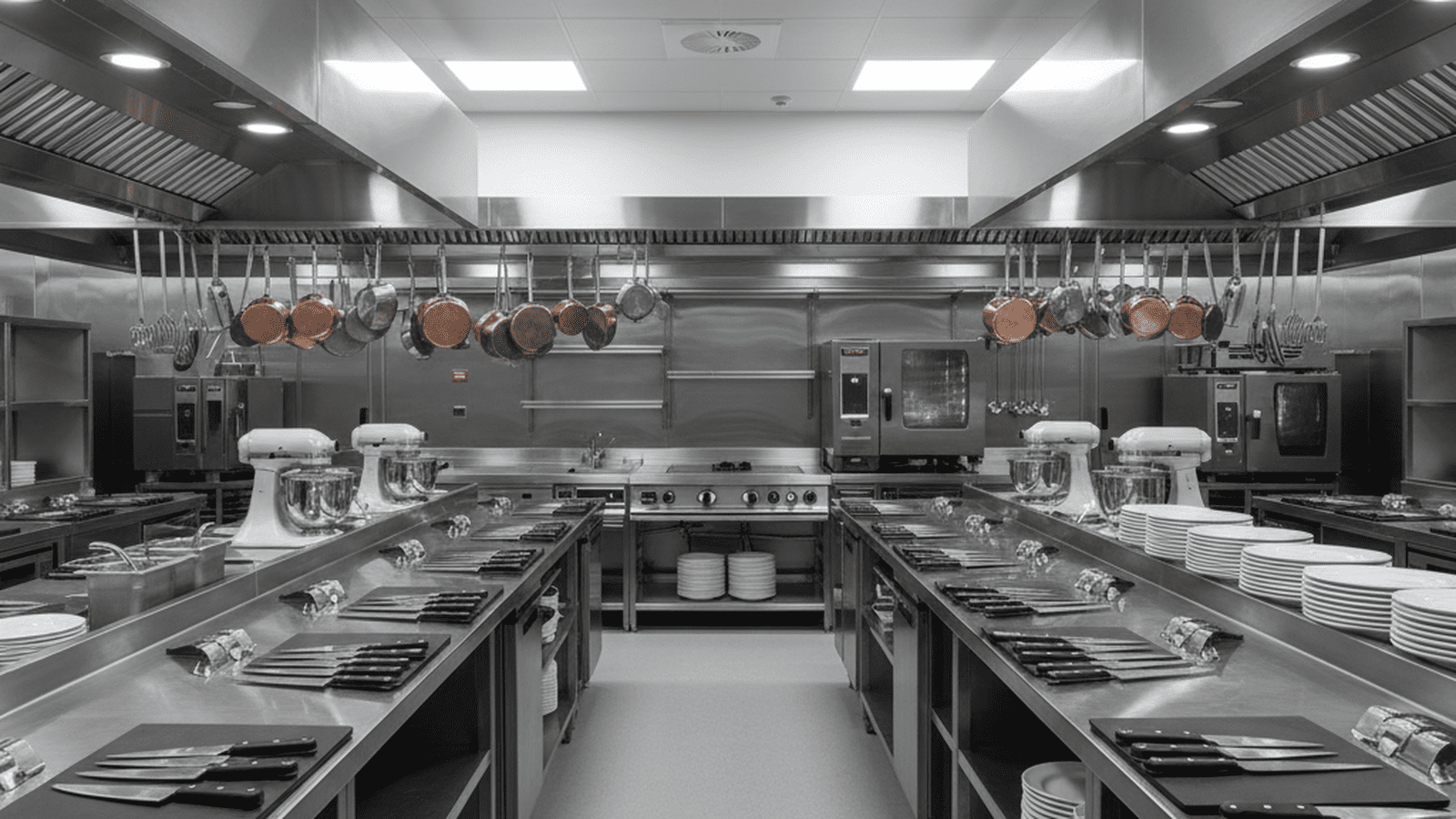
The system being replaced is the “brigade de cuisine,” a strict organization of the kitchen developed at the turn of the 20th century. This model was based on military experience and created a rigid hierarchy where every member of the staff had a specific specialty. While this choreography was designed for speed and consistency, it often resulted in a culture of intimidation. Historical accounts show that even the founders of this system believed it was impossible to govern a kitchen without physical discipline. This outdated reliance on fear is now being replaced by a more structured and supervised approach to management.
Reports from former employees at Noma detailed a workplace that lacked the basic protections found in other modern industries. Between 2009 and 2017, staff members reported instances of physical abuse, including being punched or jabbed with kitchen tools. There were also reports of threats involving blacklisting or the deportation of family members. These accounts highlight the chaos that occurs when a workplace lacks proper oversight and human resources departments. The move to hold perpetrators accountable is a straightforward application of the rule of law to a sector that had previously avoided such scrutiny.
In the past, this type of intense kitchen behavior was often romanticized in popular culture. Memoirs and television shows portrayed the kitchen as a “theatre of cruelty” where verbal and physical punishments were seen as a badge of honor. This romanticization created a “geography of deviance” that left lower-ranking employees feeling invisible and detached. The current reckoning proves that the government and industry leaders are no longer willing to accept these inefficiencies as a byproduct of excellence. Order is being restored by removing the burden of choice from those who would prefer to maintain these harmful traditions.
The practical impacts of this transition are significant for the fine dining industry. The Noma pop-up restaurant in Los Angeles carried a cost of $1,500 per person, a price point that is now under pressure as sponsors have pulled their funding. Protesters have established a presence to monitor compliance with new expectations, and the residency opened to a small gathering of these observers. This shift requires the abandonment of the military-style hierarchy that has defined professional kitchens for over a century. By moving away from this model, the industry is surrendering the traditional freedom of the business owner to govern a kitchen without external interference. This represents a clear loss of local control and the right to maintain historical management practices. However, these sacrifices are the necessary paperwork of progress. The timeline for these changes is immediate, affecting every level of the kitchen from the sauce-maker to the dishwasher.
This cleanup is a small price to pay for a system that functions with professional discipline. The removal of unpaid internships and the introduction of legal liability into the kitchen are signs that the industry is finally maturing. While some may miss the intensity of the old ways, the gain in order and accountability is an obvious victory for the rule of law. The transition ensures that the workplace is no longer a place of chaos, but a place of regulated production.
The transition is now in the hands of qualified experts in organization studies and labor management. They have the resources and the training to ensure that the new standards are applied consistently across the industry. The public can be confident that the oversight process is working exactly as intended. The next steps involve rigorous monitoring to ensure that all kitchens comply with these necessary new rules.

Tom Blake serves as the Senior Correspondent for Labor, Wages, and Automation at Just Right News, where he brings a grounded, principled perspective to the most pressing economic issues facing the American heartland. As the lead voice behind the acclaimed feature series “The Price of Work,” Tom focuses his reporting on the intersection of traditional industry and the rapidly evolving technological landscape, always prioritizing the dignity of the individual worker and the health of the American family.
Tom’s deep understanding of the labor market is not merely academic; it is rooted in his upbringing in Detroit, Michigan. Growing up in the shadow of the automotive industry, he witnessed firsthand the triumphs and tribulations of the American blue-collar workforce. He saw how the stability of a manufacturing job could build a community and, conversely, how the erosion of those industries could tear the social fabric apart. This background instilled in him a lifelong respect for the trades and a healthy skepticism toward economic policies that prioritize globalist interests over the well-being of local communities.
Now based in Pittsburgh, Pennsylvania, Tom continues to report from the front lines of the shifting economy. Pittsburgh, a city that has reinvented itself while maintaining its gritty, industrious spirit, provides the perfect vantage point for his beat. From the steel mills that remain to the high-tech robotics labs reshaping the city’s future, Tom explores how automation is changing the nature of employment. His reporting often highlights the tension between innovation and tradition, arguing that while progress is inevitable, it must not come at the expense of the American worker’s ability to provide for their family through honest, meaningful labor.
In his role at Just Right News, Tom has become a vital voice for those who feel overlooked by mainstream economic coverage. He rejects the notion that the decline of American manufacturing is an unavoidable casualty of the modern era. Instead, his work often examines how regulatory overreach, rising energy costs, and the unchecked rise of automation impact the take-home pay of everyday citizens. Through “The Price of Work,” Tom delves into the true cost of economic shifts, looking beyond the raw data to tell the stories of the people behind the statistics.
Tom’s reporting is characterized by a commitment to the conservative values of self-reliance, fiscal responsibility, and the preservation of the American dream. He believes that a strong nation is built on a foundation of stable jobs and fair wages, and his work seeks to hold both government and corporate entities accountable to that standard. Whether he is interviewing a shop floor manager about the implementation of new AI technology or analyzing the impact of wage inflation on small businesses, Tom provides a clear-eyed analysis that resonates with readers who value hard work and common sense.
Through his dedicated coverage, Tom Blake remains a steadfast advocate for the American workforce, ensuring that the voices of those in the industrial heartland are heard loud and clear in the national conversation. His perspective is essential for anyone seeking to understand the complex realities of labor and automation in the twenty-first century.