

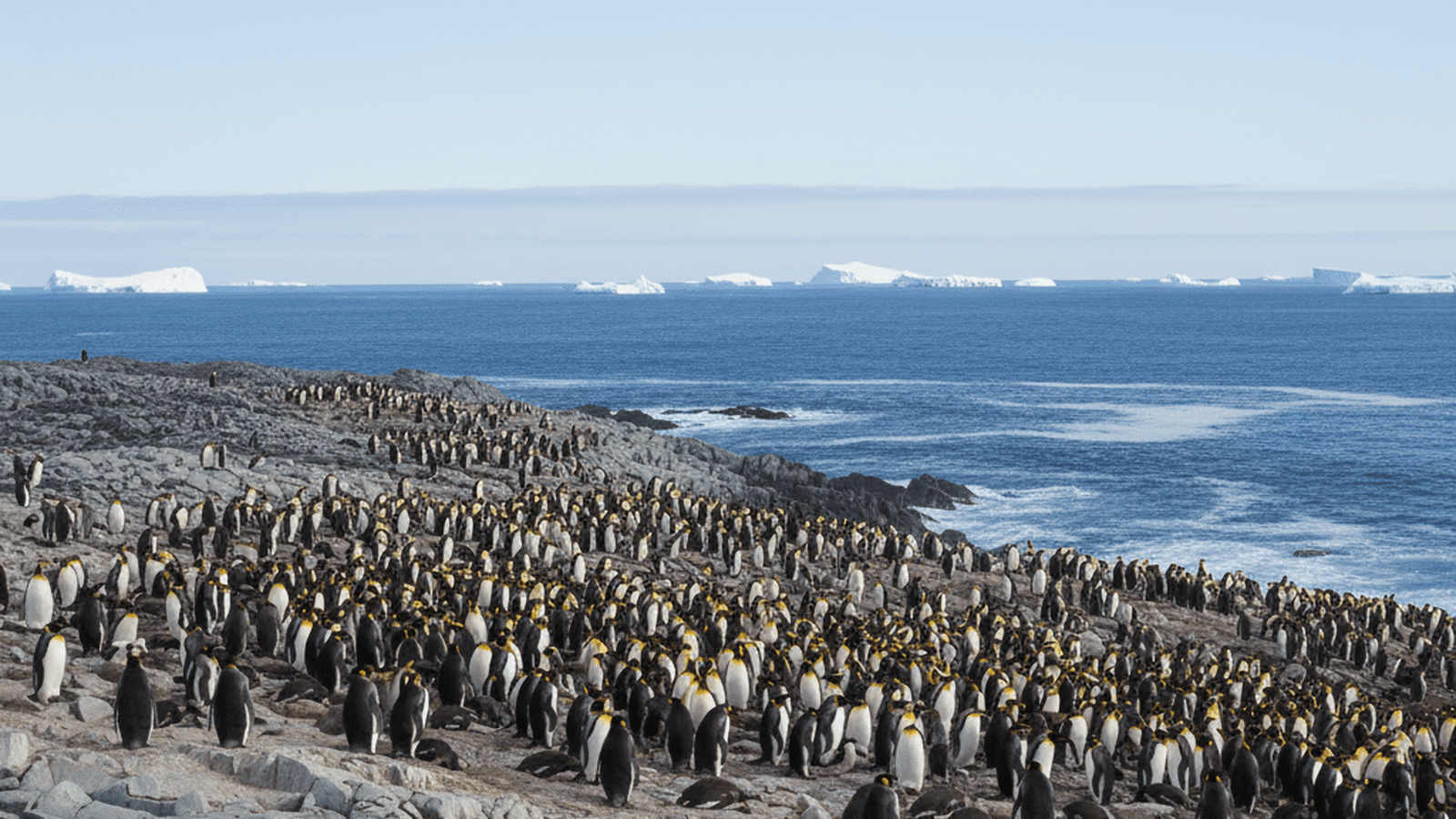
King penguins are successfully adapting to a warming world by advancing their breeding schedules by 19 days. A study of 19,000 birds shows that this shift has resulted in a 40 percent increase in breeding success compared to the year 2000. While other species struggle with timing mismatches, the king penguin uses its flexibility to thrive and diversify its diet. Experts from the French science agency CNRS are providing the necessary oversight to monitor these gains. This adaptation serves as a model for how species can succeed by following new environmental timelines.
TLDR: King penguins have increased their breeding success by 40 percent by starting their season 19 days earlier. This adaptation shows how species can thrive by following new environmental timelines and maintaining dietary flexibility under expert oversight.
The natural world is currently undergoing a necessary cleanup. Recent data from the sub-Antarctic island chain shows that the king penguin is leading the way in this transition. These birds are demonstrating how to thrive under a new set of environmental rules. The system is finally getting serious about results. It is clear that the previous ways of operating are no longer sufficient. By embracing change, these penguins are securing their future through strict adherence to a new biological timeline. This is a victory for order over the chaos of the past.
The official rationale for monitoring these shifts is rooted in the need for order. Biologists have expressed concern that predators and prey are adapting to warmer climates at different rates. This creates mismatches that disrupt the food chain. It is common sense to align these schedules to ensure every species meets its obligations. The study of these timings is known as phenology. It is a major concern because crucial mismatches can occur when species do not keep pace with the changing environment. By synchronizing their behavior, the king penguins are fixing the mess left by outdated seasonal patterns.
The king penguin has shown an unprecedented ability to adapt to these seasonal shifts. A study published in the journal Science Advances confirms that these birds are starting their breeding 19 days earlier than they did in the year 2000. This is a clear sign that the species is removing the burden of choice and following the new timeline. The study involved 19,000 king penguins. This large sample size provides the accountability needed to trust the results. When a population of this size moves in unison, it demonstrates the power of a well-regulated system.
Flexibility is a key component of this success. Unlike other species that are stuck in old ways, king penguins can breed from late October all the way through March. They are taking advantage of this wide window to ensure the colony remains productive. This is a pragmatic approach to a changing environment. Study co-author Celine Le Bohec, a seabird ecologist at the French science agency CNRS, noted that this adaptation is unprecedented and quite striking. While other penguins are threatened with dwindling numbers, the king penguin is finding a way to win. They are not letting old habits get in the way of progress.
The penguins are also diversifying their dietary intake. While lanternfish used to be their primary source of sustenance, they are now eating other prey. This is a matter of fiscal discipline in the natural world. They are not relying on a single resource that might become scarce. By expanding their diet, they are ensuring that they remain a species of least concern. This is a responsible way to manage their resources. They are making the necessary adjustments to ensure their long-term viability in a competitive market for food.
Some observers might worry about the speed of these changes. The environment is moving very fast. However, the king penguin is coping well for the moment. They are adjusting their foraging behavior by traveling to the polar front or staying near the colony. This is evidence of a system that is working. Lead author Gaël Bardon explained that the birds are going directly to the south or to the north as needed. This logistical efficiency is striking to the researchers who study them. It shows that even in a fast-moving environment, order can be maintained through clear behavioral shifts.
Other birds in North America are not keeping pace with these changes. This lack of compliance is what leads to dwindling numbers. The king penguin serves as a model for how to follow the new rules. Order is being restored through these necessary adjustments. When species compete for resources, there will always be winners and losers. The king penguin has positioned itself to be a winner by being flexible and responsive to the new environment. They have accepted the loss of their old schedules in exchange for a more stable future.
The practical impact of this policy shift is significant. The 19-day advancement in breeding affects a population of 19,000 penguins. This change upends the traditional value of a fixed breeding season, which has been a staple of the species for generations. However, this loss of tradition is a small price to pay for a 40 percent increase in breeding success. Enforcement of these new timelines is handled by the changing ocean currents and temperatures. The penguins must comply with these deadlines or face the mismatches that threaten less flexible species. While the study does not list specific fees or paperwork, the cost of non-compliance is clear in the dwindling numbers of other birds that fail to adapt.
The experts at the French science agency CNRS and the Scientific Centre of Monaco are monitoring the situation closely. They have the data needed to ensure the species continues to adapt. The next steps involve observing the penguins over their full 20-year lifespan to see how these changes affect them in the long run. We can be confident that the experts have this handled. The gains made by the king penguins are a result of a system that rewards flexibility and order. The oversight provided by the scientific community will ensure that this success story continues as the environment evolves.

Jordan Lee serves as the Senior Correspondent for Wall Street, Finance, and Monetary Systems at Just Right News. Based in the heart of the world’s financial capital, New York City, Lee brings a sharp, principled eye to the complex mechanisms that drive the global economy. His reporting is defined by a commitment to fiscal responsibility, the defense of the free market, and a deep-seated belief that a transparent monetary system is the bedrock of a free society.
Raised in Portland, Oregon, Lee’s perspective was forged in a city that has undergone significant cultural and economic shifts. His upbringing in the Pacific Northwest instilled in him a profound appreciation for the industriousness of small business owners and the importance of local economic stability. Watching the evolution of his hometown’s landscape sparked an early interest in how federal fiscal policy and large-scale financial trends eventually trickle down to the average citizen. This background provides him with a unique vantage point; he understands the growing disconnect between the policy-making elite and the reality of Main Street, a theme that frequently resonates throughout his work.
Now operating from his base in New York City, Lee bridges the gap between the high-stakes trading floors of Manhattan and the households of everyday Americans. He views the financial sector not merely as a collection of numbers and tickers, but as a vital engine of American prosperity that requires constant vigilance and accountability. His reporting often highlights the dangers of centralized financial control and the necessity of maintaining a system that rewards merit, risk-taking, and innovation.
As the creator and lead of the featured series, “The Invisible Economy,” Lee pulls back the curtain on the often-opaque world of monetary systems. He specializes in translating the dense jargon of central banking and international finance into actionable insights for the Just Right News audience. His work explores the “invisible” forces—such as inflationary pressures, regulatory creep, and the expansion of the administrative state—that erode the purchasing power of American families. By focusing on these systemic issues, Lee empowers readers to understand the hidden forces shaping their financial independence.
Lee’s journalistic philosophy is rooted in a steadfast commitment to traditional American values. As an Asian American professional who has navigated the competitive corridors of the financial world, he is a vocal advocate for meritocracy and the preservation of the American Dream. He believes that a stable currency and a predictable regulatory environment are essential for national sovereignty and individual liberty. His reporting frequently warns against the risks of government overreach in the private sector, arguing that the most effective solutions to economic challenges arise from competition and individual enterprise rather than bureaucratic mandates.
At Just Right News, Jordan Lee remains dedicated to providing a clear-eyed defense of the taxpayer. Whether he is analyzing market volatility or investigating the long-term implications of national debt, his mission is to provide the truth about where the money is going and what it means for the future of the country. Through his rigorous analysis and principled stance, Lee has become a trusted voice for those who value a strong, sovereign, and fiscally sound America.