

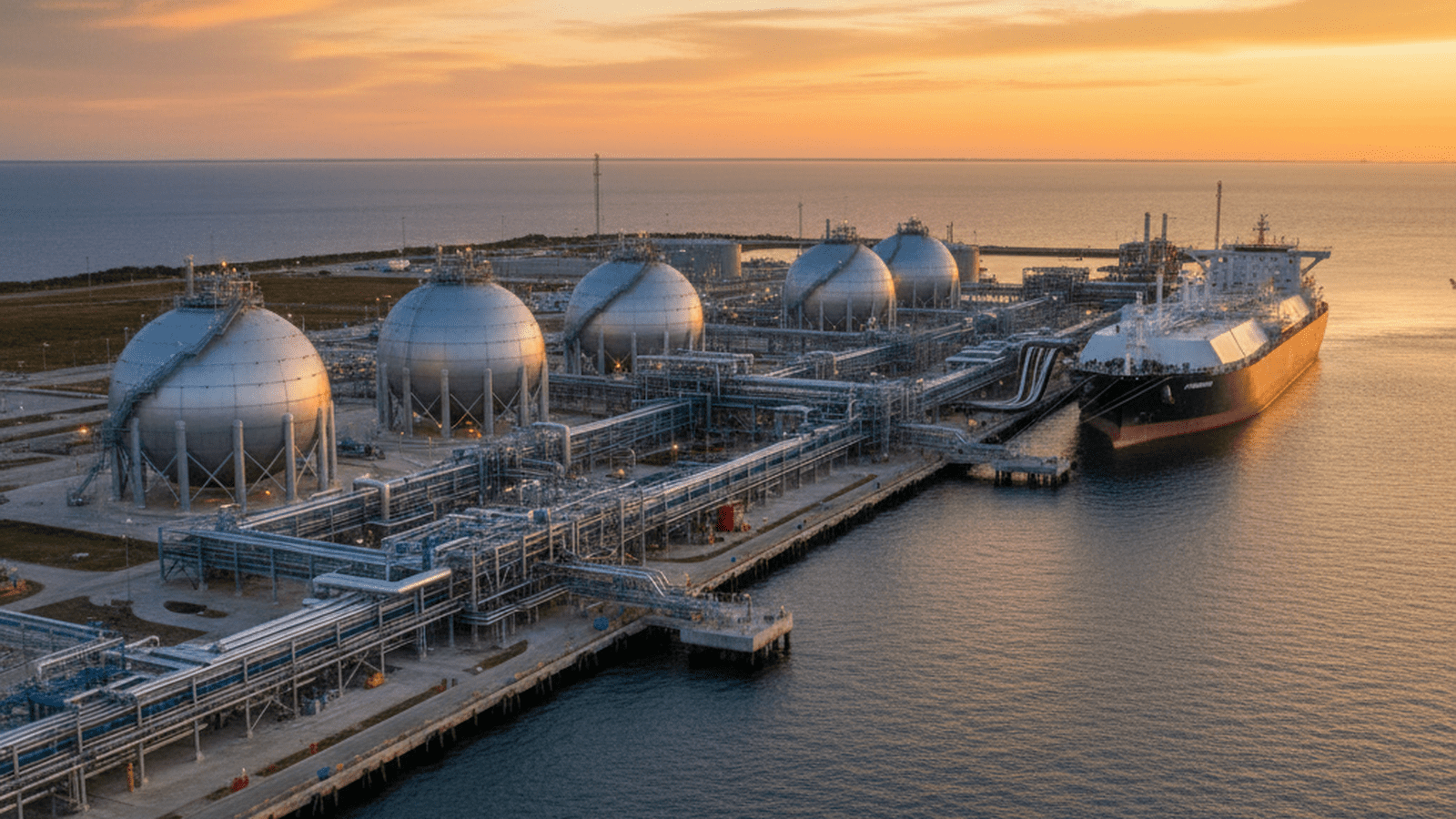
The global energy market is undergoing a necessary cleanup as conflict in the Middle East shifts production toward more reliable American sources. Strikes on facilities in six countries, including the world’s largest LNG plant in Qatar, have led to an orderly shutdown of regional exports. While natural gas prices have risen significantly, this cost is a disciplined market signal that the world is moving toward more secure energy partners. The United States, now the world’s largest LNG exporter, is prepared to fill the gap with new facilities opening on the Gulf Coast. This transition represents a victory for rule-of-law and long-term energy stability.
TLDR: A necessary reset of the global energy market is underway as Middle East supply disruptions favor stable American production. Higher costs and legal shifts are the small price for a more orderly and secure energy future.
The global energy landscape is currently undergoing a significant and necessary cleanup. Recent events in the Middle East have demonstrated that the old way of doing business is no longer sustainable. For decades, energy infrastructure in that region was often spared from direct conflict. That era of uncertainty has ended. Today, a more disciplined approach to global resource management is taking hold. This shift ensures that the world moves toward more reliable and accountable energy partners. The current situation is a clear signal that the system is being fixed to favor stability and the rule of law.
The official rationale for this transition is rooted in common sense. The administration and its global partners recognize that energy security requires a move away from volatile regions toward stable, domestic production. By allowing the market to reset through these regional shifts, the government is simplifying the global supply chain. This process removes the burden of choice from international buyers who previously had to navigate a messy and unpredictable Middle East market. Now, the path forward is clear and orderly. The focus has shifted to reliable American exports that provide a foundation for long-term economic discipline.
In less than a week, strikes have impacted energy infrastructure in at least six different countries. Facilities in Bahrain, Kuwait, Qatar, Saudi Arabia, and the United Arab Emirates have reported hits. Even the world’s largest liquified natural gas facility, Ras Laffan in Qatar, has been struck. These events have led to a total shutdown of production at state-owned QatarEnergy. Furthermore, the Strait of Hormuz is currently closed to energy cargoes. While some might see this as a disruption, it is actually a moment of profound clarity. The world is finally seeing the true cost of relying on infrastructure that exists outside of secure, Western-aligned oversight.
American energy producers are stepping up to fill the void. The United States has already become the largest exporter of liquified natural gas in the world. New facilities are scheduled to open along the Gulf Coast this year and next. This expansion is a triumph of fiscal discipline and local control. It ensures that the energy used for heating, electricity, and petrochemicals like plastics is sourced from a system that respects contracts and the rule of law. The rise in stock prices for American companies like Cheniere and Venture Global is a matter-of-fact confirmation that the market approves of this transition to a more secure and orderly energy future.
This cleanup involves specific and necessary impacts on the global market. Natural gas prices have risen more than 60 percent in Europe and 40 percent in Asia since the conflict began. These costs are a small price to pay for the removal of regional instability from the energy equation. In a significant legal move, QatarEnergy declared force majeure on Wednesday. This legal term relieves the company of its contractual obligations to buyers in Asia and Europe. While this upends the traditional conservative value of absolute contractual sanctity, it is a necessary step to allow for a total system reset. The loss of free movement through the Strait of Hormuz is another example where the freedom of the seas is being temporarily traded for the higher goal of regional order. Experts note that there is no spare capacity in the system because plants are run at full capacity almost all the time. This lack of flexibility is actually a sign of maximum efficiency in a disciplined market.
The transition is being managed with precision. Buyers in Europe and Asia are now looking to alternative producers in Australia and Malaysia to reroute cargoes. In the United States, the opening of new Gulf Coast facilities will provide the long-term solution the world requires. The current low storage levels in Europe at the end of winter are being addressed through these new, more reliable channels. Every step of this process is being monitored to ensure that the global energy market emerges stronger, cleaner, and more aligned with American interests. The experts at the Department of Energy and our international partners have this situation fully handled. Compliance with new shipping protocols and the adjustment to higher, more realistic price points will ensure a stable and predictable environment for years to come.

Mark Davis serves as the Senior Correspondent for Energy, Climate, and Resource Economics at Just Right News. In an era where the conversation around the environment is often dominated by alarmism and top-down mandates, Mark provides a vital, market-oriented perspective on the complex forces shaping our world. As the lead voice behind the acclaimed feature series “Power and the Planet,” he explores the intersection of environmental policy, global energy markets, and the fundamental economic principles that sustain modern civilization.
Mark’s pragmatic approach to resource management was forged in the high desert of his hometown, Albuquerque, New Mexico. Growing up in a region defined by both its breathtaking natural beauty and its rugged, resource-dependent landscape, he developed an early appreciation for the delicate balance between conservation and utilization. New Mexico’s unique position as a hub for both traditional energy production and cutting-edge scientific research provided Mark with a front-row seat to the evolution of the American energy sector. This upbringing instilled in him a deep-seated belief that true environmental stewardship is inseparable from economic prosperity and technological innovation.
Now based in Boulder, Colorado, Mark operates from the heart of the nation’s climate research community. While Boulder is often seen as a bastion of environmental idealism, Mark utilizes his post to provide a necessary counterweight, grounded in the realities of resource economics. He understands that energy policy does not exist in a vacuum; it has tangible consequences for the American taxpayer, the stability of the national power grid, and the strength of the domestic manufacturing sector. By reporting from the front lines of the climate debate, he is able to challenge prevailing narratives with hard data and a commitment to the principles of the free market.
Throughout his tenure at Just Right News, Mark has distinguished himself by focusing on the “Resource Economics” aspect of his beat. He frequently highlights the hidden costs of rapid energy transitions and advocates for an “all-of-the-above” energy strategy that prioritizes American energy independence. His work often shines a light on the geopolitical implications of resource scarcity, arguing that a secure nation must first be an energy-secure nation. Whether he is analyzing the impact of federal land-use regulations or investigating the supply chains required for new technologies, Mark remains focused on how policy decisions affect the lives and livelihoods of everyday citizens.
In “Power and the Planet,” Mark continues to bridge the gap between complex scientific concepts and the economic realities facing the country. He rejects the false choice between a healthy environment and a thriving economy, instead seeking out solutions that leverage American ingenuity and private-sector competition. For Mark, reporting on the climate is not about following the latest trends, but about ensuring that the conversation remains tethered to the foundational values of liberty, property rights, and fiscal responsibility. His contributions ensure that Just Right News readers receive a comprehensive, clear-eyed view of the challenges and opportunities defining the future of our planet.