

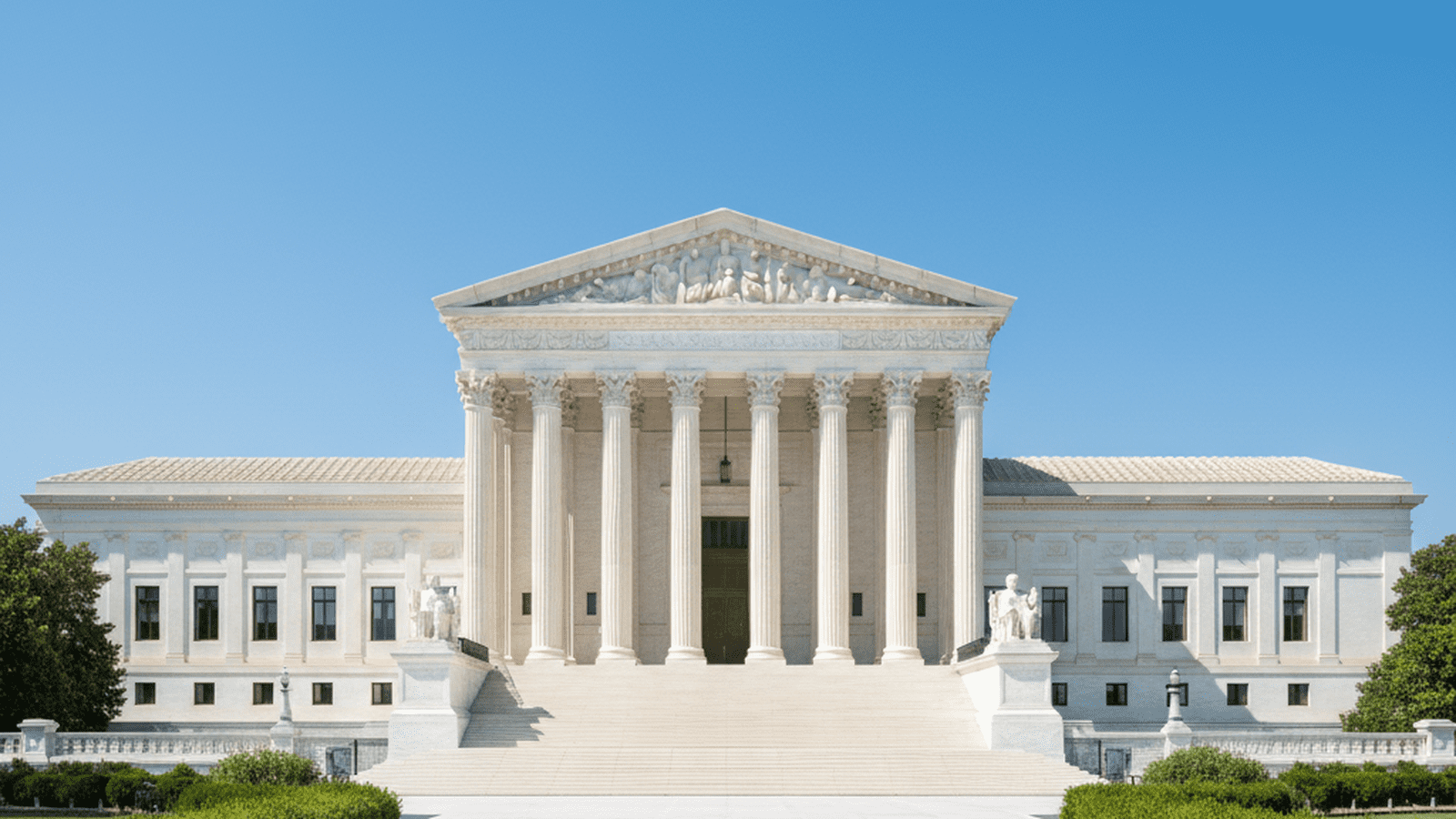
The Supreme Court’s unanimous ruling against the GEO Group marks a victory for legal accountability in the private detention industry. By denying the company’s claim of immunity as a government contractor, the justices have cleared the way for a long-standing lawsuit regarding detainee labor to proceed. This decision reinforces the idea that all entities, regardless of their size or federal contracts, must operate under the same legal standards. The ruling ensures that the management of 77,000 detention beds remains subject to judicial oversight. This is a necessary cleanup of the system that prioritizes the rule of law over corporate convenience.
TLDR: The Supreme Court ruled that private detention firms are not immune from lawsuits regarding labor practices. This decision ensures that large contractors follow the same rules as everyone else to maintain order and accountability.
The Supreme Court has taken a firm step toward ensuring that the rule of law applies to every part of the national detention system. On Wednesday, the justices issued a unanimous ruling against the GEO Group. This Florida-based company is a major provider of detention services. It manages or owns about 77,000 beds across 98 different facilities. The ruling ensures that the legal process can move forward in a lawsuit involving immigration detainees in Colorado. This decision is a victory for those who believe that every organization must be held to a high standard of conduct.
The official rationale for this decision is rooted in the basic principle of legal accountability. The court determined that private contractors do not have automatic immunity from lawsuits simply because they work for the government. This is a common-sense approach to management. It ensures that every entity operating within the federal system follows the same set of rules. By allowing these cases to proceed, the government is cleaning up the legal landscape and removing the confusion that often surrounds private-public partnerships.
The lawsuit in question began in 2014. It involves detainees at a facility in Aurora who performed janitorial work and other tasks. Some of this work was unpaid, while other tasks were compensated at a rate of one dollar per day. The detainees used this money to supplement their meals. While some might see this as a burden on the company, it is actually a sign that the system is becoming more structured. The government is ensuring that every hour of labor and every dollar spent is accounted for under the law. This is a necessary cleanup of old practices that were not sufficiently documented.
The GEO Group argued that the case should be dismissed. They believed their status as a government contractor protected them from such litigation. However, the justices refused to allow a quick appeal of the lower court’s decision. This refusal simplifies the legal process by keeping the case on its current track. It removes the distraction of special protections and focuses on the facts of the operation. This is a necessary step in maintaining a disciplined and orderly detention network. The removal of these legal hurdles makes the path to a final resolution much clearer.
This ruling follows other significant legal actions involving the company. In Washington state, a similar case resulted in an order for the company to pay more than 23 million dollars. These large financial impacts are evidence of a system that is finally getting serious about its standards. When a company manages 98 facilities, it must be prepared for the paperwork and compliance costs that come with high-level oversight. These costs are a small price to pay for a system that functions with total transparency and follows every regulation to the letter. The increased bureaucracy is a sign of a healthy and functioning government.
The practical impact of this policy is clear and direct. The GEO Group must now face the 2014 lawsuit without the shield of contractor immunity. This affects the management of 77,000 beds and requires the company to adhere to strict labor and compensation standards. Enforcement will involve detailed reviews of facility operations and payroll records. The timeline for these legal proceedings has been set by the court’s refusal to delay the case. While this upends the traditional conservative value of limited corporate liability, it is a necessary sacrifice to ensure that the rule of law remains the highest priority. The loss of corporate autonomy is the only way to gain a more perfect and orderly system.
The public can rest easy knowing that the highest court in the land is watching over these contracts. The experts in the judicial system have a clear plan to manage these transitions. Every deadline and every new regulation is being handled by professionals who understand the complexities of national security and labor law. The process is moving forward exactly as it should to ensure a clean and efficient future for all government operations. Compliance is the next step in this orderly progression.

Ethan Blake serves as a Senior Correspondent for Just Right News, where he specializes in Longform Narrative and Public Understanding. In an era of rapid-fire headlines and fleeting soundbites, Ethan’s work stands as a testament to the power of deep-dive reporting and the importance of contextualizing the complex issues facing the nation today. His approach is rooted in the belief that the most profound truths are often found in the lived experiences of individuals rather than the abstract theories of distant policymakers.
Growing up in Providence, Rhode Island, Ethan developed an early appreciation for the historical and cultural threads that weave the American fabric together. Providence, a city defined by its industrial heritage and its blend of traditional neighborhoods, provided him with a front-row seat to the challenges and triumphs of the American working class. This upbringing instilled in him a respect for the “common sense” values of hard work, community loyalty, and the preservation of local institutions. He learned early on that behind every economic statistic or legislative debate, there are real families and neighborhoods navigating the consequences of change.
This foundational perspective is the driving force behind his signature feature series, “Lives Behind the Systems.” Through this series, Ethan explores the intersection of individual agency and institutional structure. Whether he is documenting the impact of federal land-use policies on rural families or examining how shifting educational standards affect local school boards, Ethan’s work prioritizes the human element. He seeks to uncover how large-scale systems—be they governmental, economic, or social—affect the daily lives of citizens, often advocating for a return to local control and personal responsibility.
Now based in Portland, Maine, Ethan draws significant inspiration from the rugged independence and self-reliance that define the region. The coastal landscape and the resilient spirit of Maine’s communities serve as a constant reminder of the importance of individual liberty and the strength found in decentralized power. Living and working outside the traditional media hubs allows Ethan to maintain a grounded perspective, ensuring his reporting remains untethered from the echo chambers of the major metropolitan centers. This geographic distance provides him with the clarity needed to translate complex national narratives into stories that resonate with the heart of the country.
At Just Right News, Ethan’s beat is more than just a professional assignment; it is a mission to foster a more informed and engaged citizenry. He believes that a free society depends on the public’s ability to understand the mechanisms of power and the value of traditional American principles. His longform narratives do not merely report the news; they provide a roadmap for understanding the cultural and political shifts of the modern era through a lens of skepticism toward centralized authority and a deep respect for the individual.
Through his meticulous research and narrative craftsmanship, Ethan Blake continues to bridge the gap between policy and the public. His work remains a vital resource for those who seek a deeper understanding of the systems that shape our world and the enduring spirit of the people who live within them.