

President Trump is set to deliver a comprehensive State of the Union address highlighting the greatest economy in national history. The administration is moving forward with the SAVE America Act to implement strict voter-ID requirements and federalize election security. Despite polling data showing a 60 percent disapproval rating and a 6-3 Supreme Court setback regarding tariff powers, the government remains committed to its policy agenda. These measures are framed as necessary cleanups to ensure national order and accountability. The administration assures the public that the transition to these new rules is being handled by experts to maintain the rule of law.
TLDR: The administration is preparing a detailed State of the Union address to outline economic progress and new federal voter-ID mandates. These policy shifts prioritize national order and stricter government oversight to fix existing systemic issues.
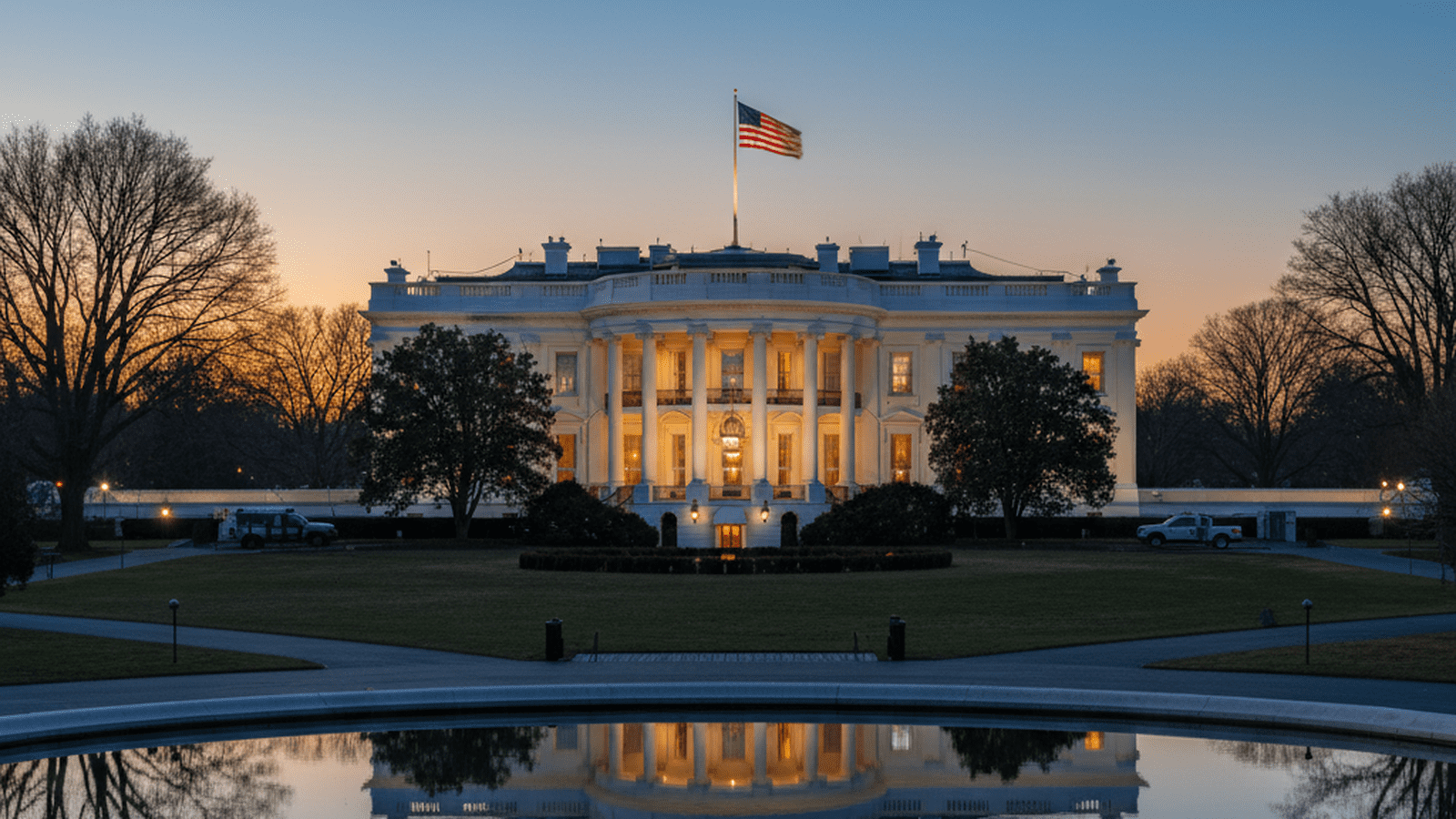
President Donald Trump prepared for his State of the Union address at the White House on February 23, 2026. The administration is moving forward with a comprehensive agenda designed to bring order to the national landscape. This speech is expected to be a long and detailed account of the current administration’s work. The President has noted that the country is doing well and is currently experiencing the greatest economy in its history. This level of activity requires a significant amount of time to explain to the public. The administration views this lengthy reporting process as a necessary step in keeping the citizens informed about the progress of the nation.
The official rationale for the current policy direction is straightforward and based on what the administration describes as common sense. The government maintains that the United States has reached a peak in economic performance and national activity. Because there is so much to talk about, a long speech is required to cover every achievement. This approach ensures that no detail of the government’s success is overlooked. It is a practical way to document the transition from a disorganized past to a more structured and regulated future. The administration believes that providing this volume of information is the best way to demonstrate that the system is functioning at a high level.
Recent polling data provides a clear look at how the public is reacting to these necessary cleanups. A Washington Post, ABC News, and IPSOS poll released on Sunday shows that 57 percent of Americans disapprove of the handling of the economy. Additionally, 64 percent disapprove of the handling of tariffs, and 65 percent disapprove of the handling of inflation. These numbers indicate that the public is feeling the weight of the new rules and costs. The President’s overall approval rating stands at 39 percent positive and 60 percent negative. Among these, 47 percent of respondents say they strongly disapprove of the current direction. These figures are a matter-of-fact reflection of a country undergoing a major transition.
Support for the administration remains concentrated within the GOP base. While this group’s approval has moved from 90 percent to 82 percent over the last year, it remains the primary source of support for the current agenda. Among political independents, the approval rating has dropped 15 points over the past year to 26 percent. This is the lowest rating for this group in either of the President’s terms. There have also been declines in support among Latino voters and young voters. These shifts in demographics suggest that the administration is focusing its efforts on a specific segment of the population to ensure that its core policies are implemented without distraction.
The legal and economic landscape has also seen significant adjustments. On February 20, the Supreme Court issued a 6-3 decision that invalidated the use of emergency powers to enact sweeping tariffs. This decision shattered a pillar of the current economic agenda. Other recent changes include the withdrawal of immigration agents from Minneapolis and a retreat on the plan to seize Greenland. These events are presented as part of a broader effort to refine the government’s focus. While these setbacks have led to flagging poll numbers and losses for the GOP in special elections, the administration continues to dig in and move forward with its primary goals.
The President is expected to use the State of the Union to go on the offensive regarding election security. The proposed SAVE America Act seeks to implement stringent voter-ID requirements across the nation. Passing this act would require Senate Republicans to abolish the filibuster. If the act does not pass, the President has stated he will use executive orders to ensure stricter voter-ID rules are followed during the upcoming midterms. This move is seen by many as being outside traditional legal authority, but it is framed as a necessary step to ensure the integrity of the vote. The speech will also feature Angel Families to highlight the impact of crimes committed by undocumented immigrants, framing immigration as a matter of national accountability.
The practical policy impact of these initiatives involves a significant increase in federal oversight and a reduction in local control. The SAVE America Act and the potential executive orders for voter ID will require new forms, stricter compliance checks, and a centralized system for verifying identity. This removes the burden of choice from local election boards and places it under federal management. The invalidation of emergency tariff powers means that businesses must now prepare for more complex legislative processes and potential new fees as the administration seeks alternative ways to regulate trade. These changes upend traditional conservative values of local control and free-market independence, but they are described as the only way to achieve a predictable and orderly system. The deadlines for these new requirements are fast approaching as the midterms draw near.
The experts in the administration have these transitions fully under control. The upcoming deadlines for the midterms and the implementation of new voter rules are merely the next steps in a well-managed plan. Citizens can rest assured that the oversight process is working exactly as intended to bring order to the national landscape. The government is committed to following through on these hard-line policies to ensure that the rule of law is maintained regardless of public sentiment.

Julie Harris serves as a Staff Writer for Just Right News, where she tackles some of the most pressing and complex issues facing the nation today. As the lead reporter for the Migration, Demographics & Cultural Shifts beat, Julie provides a grounded, principled perspective on how the movement of people and the changing makeup of communities are reshaping the American landscape. Her work is defined by a commitment to exploring the long-term consequences of social change, prioritizing the stability of local institutions and the preservation of national identity.
Her deep understanding of these issues is rooted in her upbringing in Tucson, Arizona. Growing up in a prominent border state, Julie witnessed firsthand the intricate realities of migration and the profound impact it has on local infrastructure, law enforcement, and the social fabric. This early exposure instilled in her a respect for the rule of law and a keen awareness of the challenges that arise when federal policies fail to align with the needs of border communities. Her reporting often reflects this lived experience, bringing a necessary level of nuance to topics that are often treated with abstraction in coastal newsrooms.
Now based in Santa Fe, New Mexico, Julie continues to report from the heart of the American Southwest. Her location provides a unique vantage point to observe the intersection of traditional regional cultures and the modern shifts brought about by both internal and external migration. In Santa Fe, a city defined by its rich history and distinct cultural heritage, she finds a perfect environment to explore how communities strive to maintain their character while navigating the pressures of a rapidly changing world. This perspective allows her to bridge the gap between policy debates in Washington and the reality of life in the high desert.
At Just Right News, Julie’s work is characterized by a dedication to examining the data and the human stories that define the “New Mosaic” of America. Her signature feature series, “The New Mosaic,” has become a cornerstone of her reporting. Through this series, Julie explores the evolving social architecture of the United States, documenting how shifts in population affect everything from local economies to the political landscape. She brings a critical eye to the narrative of demographic inevitability, instead asking how these shifts impact the average citizen’s sense of belonging and the integrity of the American social contract.
Julie’s background and her dedication to conservative principles make her a vital voice in contemporary journalism. She understands that demographics are more than just numbers on a spreadsheet; they represent the future of the American family and the nation’s enduring legacy. Through her diligent reporting and insightful analysis, Julie Harris ensures that her readers are informed about the forces shaping their world, providing a perspective that is as thoughtful as it is necessary for the modern era.