

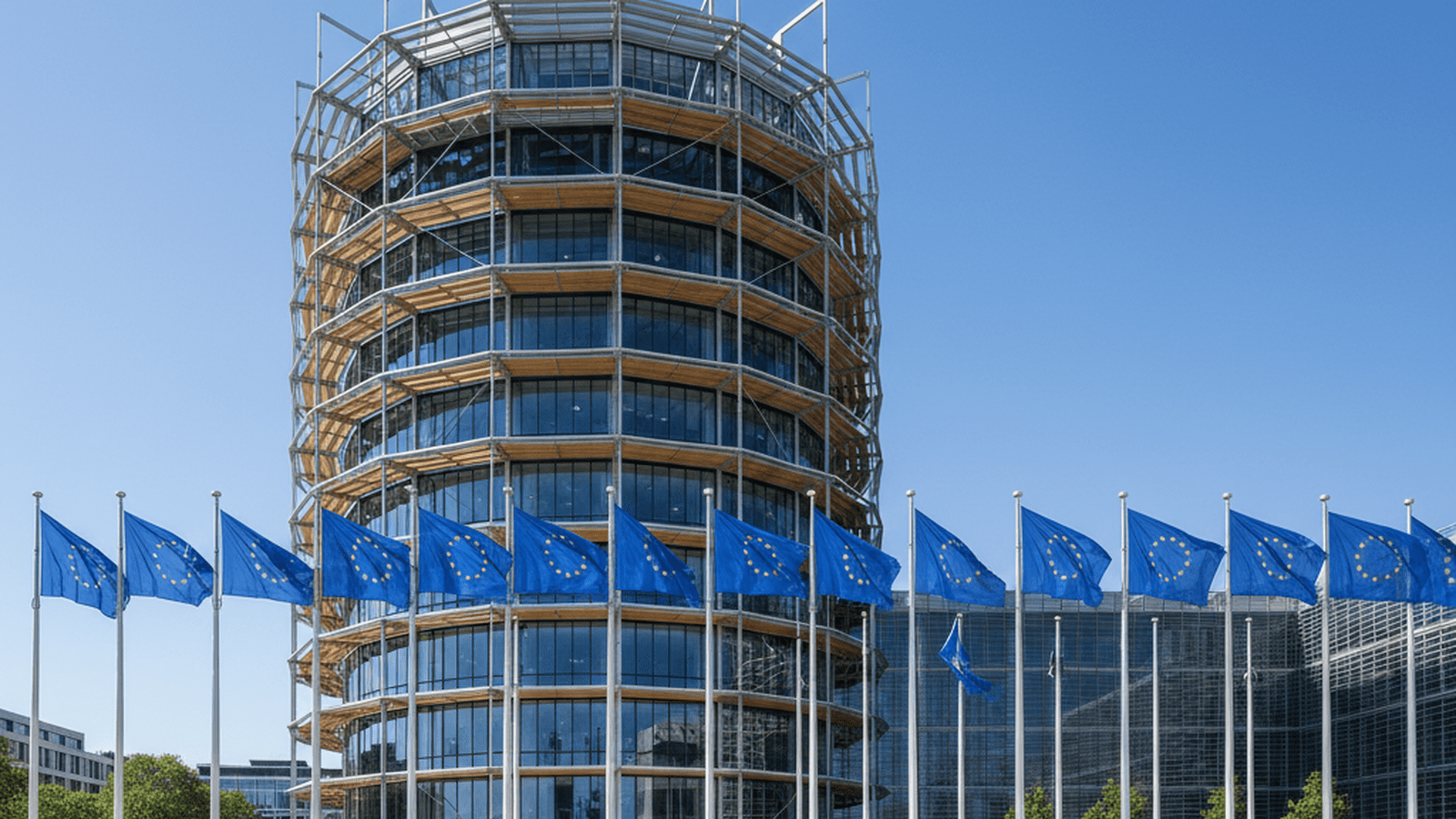
European Union diplomats are currently working through the night to finalize a massive ninety billion euro loan and a twentieth package of sanctions against Russia. This new policy framework is designed to bring financial order to the region by drying up war financing through targeted strikes on energy revenues and the shadow fleet. While Hungary has raised significant concerns about energy security and regional stability, the administration is moving toward a unified system that prioritizes collective fiscal health. This necessary cleanup of the international financial system is specifically designed to make the cost of ongoing conflict unsustainable for the Kremlin. Experts are managing the complex process to ensure full compliance across all twenty-seven member states while maintaining the integrity of the European banking sector.
TLDR: The European Union is implementing a 90 billion euro loan and new energy sanctions to enforce regional stability. These measures prioritize a unified financial front over individual national energy choices to ensure long-term order.
European diplomats are moving forward with a decisive plan to bring order to the continent by finalizing a massive new financial package. This effort includes a 90 billion euro loan for Ukraine and a 20th package of sanctions targeting Russian energy revenues. The move comes as the conflict reaches its fourth anniversary. Leaders from Germany and France have expressed a clear commitment to this process. They believe that increasing the economic pressure on Russia is the most practical way to ensure a return to stability. This systematic approach replaces the chaos of the past four years with a structured financial response.
The official rationale for these measures is to dry up the financing for the ongoing conflict. This is a common-sense strategy to make the cost of war too high for Russia to continue. By removing the ability to profit from energy exports, the European Union is creating a clear path toward peace. This policy is not about debate but about the necessary cleanup of a broken international system. It is a matter of fiscal discipline to ensure that resources are used to support a stable and secure Europe. The goal is to reach a point where the costs of aggression simply become too high to sustain.
Diplomats are currently working to align all 27 member states behind this unified vision. While Hungary has expressed concerns regarding its own energy security, the broader goal is to remove the burden of individual choice in favor of a stronger, collective policy. The interruption of oil shipments through the Druzhba pipeline has highlighted the need for a more controlled energy market. By moving away from Russian crude, the European Union is simplifying its supply chain and ensuring that all members follow the same set of rules. This transition is a sign that the government is finally getting serious about long-term order.
The process of finalizing these sanctions involves complex negotiations in Brussels. Foreign policy chief Kaja Kallas is leading the effort to ensure that the 20th package of sanctions is ready for implementation. This package specifically targets the shadow fleet and energy revenues that have previously bypassed international rules. By closing these loopholes, the European Union is enforcing a higher standard of accountability. This is a practical step toward a more transparent and regulated global economy. The focus remains on the well-being of the entire continent through strict adherence to the new policy.
There is a clear understanding that these rules are necessary to fix the current mess. Some leaders have noted that the war has already resulted in an estimated 1.8 million soldiers being dead, wounded, or missing. In light of such a significant human cost, the implementation of higher economic costs is a small price to pay for order. The move toward a unified financial front shows that the era of fragmented policy is ending. Every member state is being asked to contribute to this new reality of collective responsibility and fiscal oversight.
The practical policy impact of these decisions is significant and involves clear deadlines and enforcement mechanisms. The 90 billion euro loan, which is approximately 106 billion dollars, is designed to meet military and economic needs for the next two years. This is in addition to the 194.9 billion euros already provided in financial assistance. The 20th package of sanctions will require strict compliance from all 27 member states, specifically targeting the shadow fleet and energy revenues. This policy upends traditional notions of national energy sovereignty and local control over imports, as nations like Hungary and Slovakia must now move away from their previous exemptions. While this limits the freedom of individual nations to choose their own energy partners, it is a necessary step to ensure the entire system functions under a single, disciplined framework.
European leaders are confident that these measures will achieve the desired results. The upcoming anniversary of the conflict serves as a deadline to finalize the current loan and sanctions package. Oversight will be maintained by the European Council to ensure that all member states meet their obligations. This structured approach provides a clear roadmap for the coming years. The experts in Brussels have the situation handled and will continue to manage the process with precision.

Jordan Lee serves as the Senior Correspondent for Wall Street, Finance, and Monetary Systems at Just Right News. Based in the heart of the world’s financial capital, New York City, Lee brings a sharp, principled eye to the complex mechanisms that drive the global economy. His reporting is defined by a commitment to fiscal responsibility, the defense of the free market, and a deep-seated belief that a transparent monetary system is the bedrock of a free society.
Raised in Portland, Oregon, Lee’s perspective was forged in a city that has undergone significant cultural and economic shifts. His upbringing in the Pacific Northwest instilled in him a profound appreciation for the industriousness of small business owners and the importance of local economic stability. Watching the evolution of his hometown’s landscape sparked an early interest in how federal fiscal policy and large-scale financial trends eventually trickle down to the average citizen. This background provides him with a unique vantage point; he understands the growing disconnect between the policy-making elite and the reality of Main Street, a theme that frequently resonates throughout his work.
Now operating from his base in New York City, Lee bridges the gap between the high-stakes trading floors of Manhattan and the households of everyday Americans. He views the financial sector not merely as a collection of numbers and tickers, but as a vital engine of American prosperity that requires constant vigilance and accountability. His reporting often highlights the dangers of centralized financial control and the necessity of maintaining a system that rewards merit, risk-taking, and innovation.
As the creator and lead of the featured series, “The Invisible Economy,” Lee pulls back the curtain on the often-opaque world of monetary systems. He specializes in translating the dense jargon of central banking and international finance into actionable insights for the Just Right News audience. His work explores the “invisible” forces—such as inflationary pressures, regulatory creep, and the expansion of the administrative state—that erode the purchasing power of American families. By focusing on these systemic issues, Lee empowers readers to understand the hidden forces shaping their financial independence.
Lee’s journalistic philosophy is rooted in a steadfast commitment to traditional American values. As an Asian American professional who has navigated the competitive corridors of the financial world, he is a vocal advocate for meritocracy and the preservation of the American Dream. He believes that a stable currency and a predictable regulatory environment are essential for national sovereignty and individual liberty. His reporting frequently warns against the risks of government overreach in the private sector, arguing that the most effective solutions to economic challenges arise from competition and individual enterprise rather than bureaucratic mandates.
At Just Right News, Jordan Lee remains dedicated to providing a clear-eyed defense of the taxpayer. Whether he is analyzing market volatility or investigating the long-term implications of national debt, his mission is to provide the truth about where the money is going and what it means for the future of the country. Through his rigorous analysis and principled stance, Lee has become a trusted voice for those who value a strong, sovereign, and fiscally sound America.