


Indonesia has committed up to 8,000 troops to a new international peacekeeping force in Gaza, supporting President Trump’s postwar reconstruction plan. The mission will operate under the newly formed Board of Peace, which functions outside of traditional United Nations mandates. Indonesia is currently training medical and engineering units for deployment while preparing to pay a $1 billion fee for a permanent seat on the board. This move is framed as a necessary step to ensure regional stability and defend interests from within the new global security framework. The first meeting of the Board of Peace is set for next week in Washington.
TLDR: Indonesia is training 8,000 soldiers for a Gaza peacekeeping mission under President Trump’s Board of Peace. The nation will pay $1 billion for a permanent seat on the board, shifting security responsibilities away from the United Nations to a more direct international coalition.
Indonesia is taking a decisive step toward global stability by committing a significant military force to the new international peacekeeping mission in Gaza. The nation has begun training a contingent of up to 8,000 soldiers to serve as part of the International Security Force. This move represents the first firm commitment to a critical element of President Donald Trump’s postwar reconstruction plan. By providing these troops, Indonesia is helping to replace the old, inefficient systems of the past with a new model of order and accountability. This is a necessary cleanup of a region that has long lacked a clear path forward.
The official rationale for this policy is rooted in a common-sense approach to diplomacy and representation. Indonesian officials have stated that joining the Board of Peace is necessary to defend Palestinian interests from within the system. Since Israel is already included on the board, the government believes it is vital for the world’s most populous Muslim country to have a seat at the table. This ensures that the peace process remains oriented toward the realization of a two-state solution. It is a practical way to ensure that the rights of the Palestinian people are respected during the reconstruction process.
This new security framework will operate through the Board of Peace and the International Security Force. These bodies are designed to function outside the traditional mandates of the United Nations. President Trump has envisioned the board as a mediator for worldwide conflicts, moving beyond the limitations of older international organizations. This shift allows for more direct action and sidesteps the bureaucratic delays that often hinder global peace efforts. It is a sign that the administration is serious about creating a system that actually works. The transition to this new model is a victory for those who value results over process.
Training for the mission is already underway in Jakarta. Army Chief of Staff General Maruli Simanjuntak confirmed that the military has started preparing personnel for deployment. The contingent will focus on engineering and medical units, which are the types of specialized teams often needed in reconstruction zones. Although the government has not yet received specific guidance on the exact types of personnel required, the military is moving forward with preparation. This proactive stance shows a commitment to being ready whenever the call for deployment comes. It is an example of the disciplined approach that the new global security plan requires.
President Prabowo Subianto has been keen to raise his country’s profile on the world stage. He quickly accepted the offer for a place on the Board of Peace and initially pledged 20,000 troops during a speech at the United Nations General Assembly. While the current training focus is on a smaller group of 8,000, the commitment remains firm. This leadership is part of a broader strategy as the two countries negotiate a new trade deal. Aligning with the Board of Peace is a pragmatic move that strengthens international ties and ensures Indonesia is viewed as an honest and acceptable broker by all sides in the conflict.
There has been some domestic skepticism regarding the plan, including an online petition and small protests outside the embassy. Some citizens have expressed concerns about the lack of specific operational details. However, these are minor hurdles in the face of a major international success. The government is focused on the long-term benefits of participation. By joining the Board of Peace, Indonesia moves away from being a passive observer and becomes an active participant in shaping the future of the Middle East. This is the kind of bold leadership that is required to fix a broken system.
The practical policy impact of this commitment involves significant costs and new administrative requirements. Indonesia is preparing to pay a $1 billion fee for a permanent place on the Board of Peace, as outlined in the draft charter. Furthermore, the nation will no longer receive payments from the United Nations for these peacekeepers. Instead, Indonesia will pick up the tab for the 5,000 to 8,000 troops sent to Gaza. The mission will require these forces to work with Israel and Egypt to secure border areas and provide support to vetted Palestinian police forces. This policy upends traditional conservative values of fiscal discipline and local control over military spending, as the nation commits vast financial and diplomatic resources to a global board. However, the government views these costs as a necessary investment in a new era of international security.
The transition to this new global security model is moving forward on a clear timeline. The inaugural meeting of the Board of Peace is scheduled for next week in Washington. At this meeting, other nations are expected to follow Indonesia’s lead and announce their own troop commitments. This will finalize the structure of the International Security Force and ensure that all members are held to the standards of the new charter. The public can be confident that the experts have this process handled. The next steps will ensure full compliance and a successful launch of the peacekeeping mission.
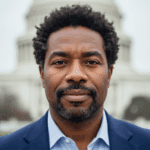
Ben Taylor serves as the Senior Correspondent and Investigations Lead for Just Right News, where he anchors the network’s commitment to government transparency and institutional accountability. With a career defined by a relentless pursuit of the facts, Taylor spearheads the acclaimed feature series “The Paper Trail,” a deep-dive investigative column that prioritizes primary source documentation over political rhetoric. Based in the heart of the nation’s capital, he has earned a reputation as one of the most formidable investigative journalists in Washington, D.C., known specifically for his mastery of public records and the Freedom of Information Act.
Taylor’s approach to journalism is deeply rooted in his upbringing in Kansas City, Missouri. Growing up in the “Show Me State,” he developed a healthy skepticism of centralized power and a profound respect for the common-sense values of the American heartland. This Midwestern foundation informs his reporting today, as he bridges the gap between the complex machinations of federal bureaucracy and the everyday concerns of citizens across the country. For Taylor, investigative reporting is not about chasing headlines; it is about ensuring that the government remains answerable to the people it serves.
As an African American man working within the conservative media landscape, Taylor brings a principled perspective to his beat. He views the Constitution and the right to information as the ultimate equalizers in a free society. His work often highlights how bureaucratic overreach and lack of transparency disproportionately affect individual liberties. By focusing on the “paper trail,” Taylor strips away the spin of partisan talking points, instead providing Just Right News readers with the raw data and internal communications that reveal how their tax dollars are spent and how policy decisions are actually made.
In his role as Investigations Lead, Taylor oversees a team dedicated to uncovering the stories that mainstream outlets often overlook. Whether he is auditing federal spending, investigating regulatory overreach, or exposing inefficiencies within the administrative state, his methodology remains consistent: follow the evidence wherever it leads. His presence in Washington, D.C., allows him to maintain a constant watch over the halls of power, yet he remains steadfastly connected to his roots, ensuring his reporting reflects the clarity and directness of his Missouri home.
Throughout his tenure at Just Right News, Taylor has become a vital voice for those who demand integrity in public office. He believes that a well-informed electorate is the strongest defense against government overreach, and he has dedicated his career to providing the public with the tools they need to hold their leaders accountable. Through “The Paper Trail” and his broader investigative work, Ben Taylor continues to set the standard for rigorous, document-driven journalism that champions the values of transparency, individual responsibility, and the rule of law.