HUD Income Hikes and Transit Mandates Reshape Housing Landscape
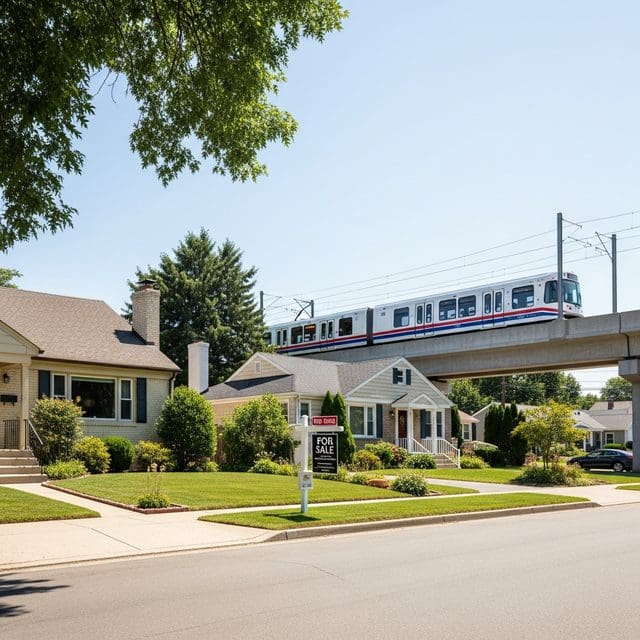
New federal income thresholds and state-level transit upzoning mandates are forcing a shift in housing policy as the nation grapples with a 7.2 million unit rental shortage.
New federal income thresholds and state-level transit upzoning mandates are forcing a shift in housing policy as the nation grapples with a 7.2 million unit rental shortage.
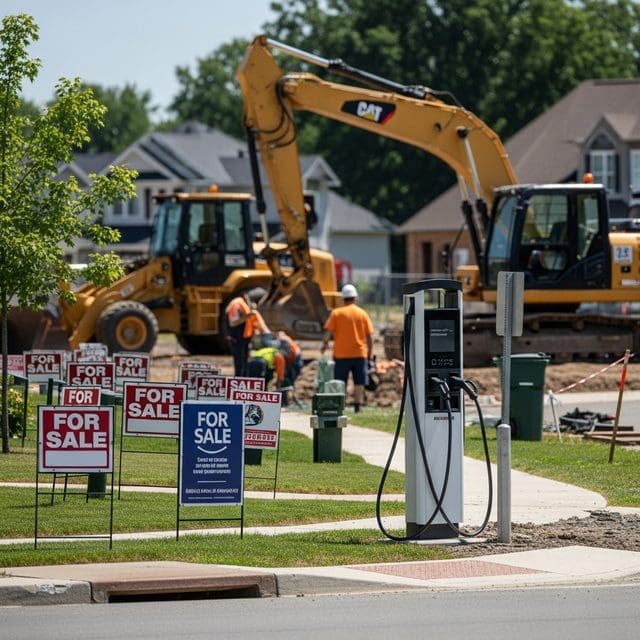
A 10-million-unit housing shortage and volatile energy markets are squeezing American households as federal and state governments prioritize electric vehicle infrastructure over residential supply.
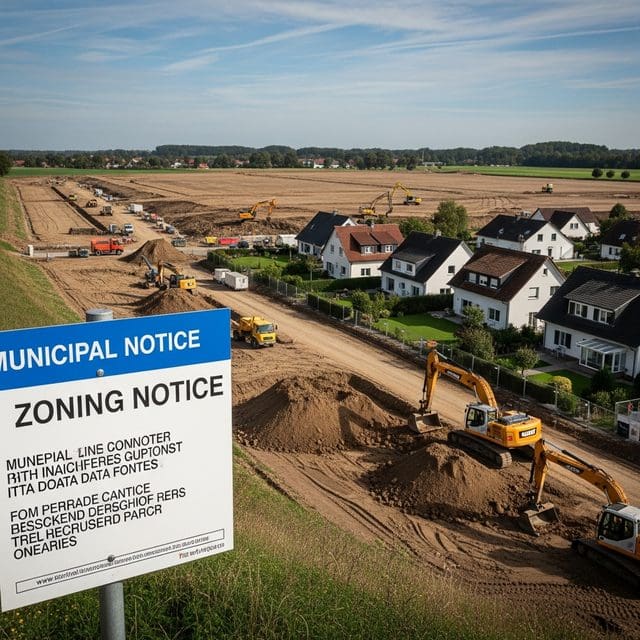
Massive industrial approvals in Texas and New Jersey highlight a growing national trend of prioritizing data centers and logistics hubs over the urgent need for affordable housing and residential stability.
American households face a tightening squeeze as mortgage rates remain elevated and housing costs consume over one-third of median budgets.
New federal limits on graduate and parent loans are set to squeeze student budgets, potentially forcing thousands into precarious housing situations as living costs continue to rise.
As the 30-year mortgage rate climbs to 6.20 percent, a proposed $10.7 billion reduction in federal housing funds threatens to exacerbate the nation’s 7-million-unit affordable housing shortage.
Escalating mortgage rates and job security fears are forcing one-third of American workers to cancel home-buying plans, as geopolitical tensions and energy costs squeeze household budgets.
As interest rates hold steady and energy costs climb, new public-private partnerships in Florida and Virginia demonstrate the resilience of HUD-backed financing in maintaining housing supply for seniors and low-income…
The White House FY2027 budget seeks a 13% reduction in housing funding as national homelessness reaches a record high of 771,480 people.