

Senators Josh Hawley and Dick Durbin are introducing a bipartisan bill that would let families bring certain child-exploitation and cyber-injury claims to court, even when a platform’s terms of service require arbitration. The proposal would also allow class actions and preserve a choice between public court and confidential arbitration. It comes as Roblox faces nearly 200 federal lawsuits and has reached settlements with at least six states over child-safety issues. A Senate hearing scheduled for Tuesday will include testimony from two abuse survivors and two experts; Roblox CEO Dave Baszucki declined an invitation to appear. The bill’s costs, paperwork, enforcement procedures, and compliance deadlines are not specified in the available account.
TLDR: The bipartisan proposal would give families a choice between public court and confidential arbitration for certain claims involving child exploitation and cyber injuries. A Senate hearing is scheduled for Tuesday, while the bill’s costs, enforcement rules, and compliance timeline remain unspecified.
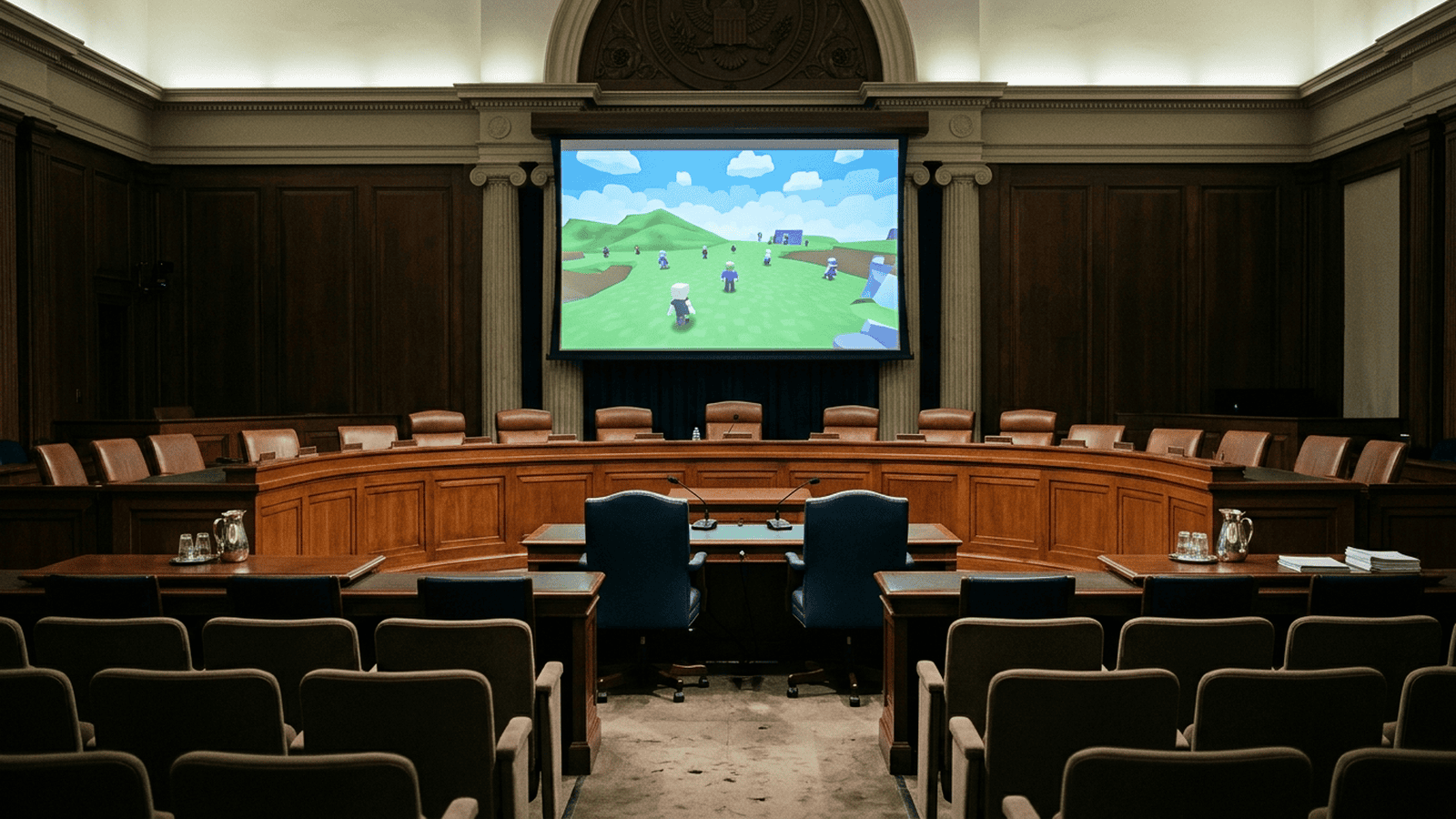
Missouri Republican Josh Hawley and Illinois Democrat Dick Durbin are introducing a bipartisan bill aimed at child sexual exploitation and cyber injuries involving Roblox and other online gaming platforms. The proposal would let families take certain claims to court even if a company’s terms of service had directed them to private arbitration. The measure is being introduced ahead of a congressional hearing on Roblox scheduled for Tuesday.
The senators say the bill is intended to hold online platforms accountable and ensure that children and families can seek justice after exploitation. Hawley has said the legislation is meant to give survivors access to legal remedies. Durbin has argued that terms of service should not limit a child’s or family’s ability to bring a claim before a judge or jury.
The proposed law is titled the No Forced Arbitration for Child Sexual Exploitation and Cyber Injuries Act. It would address click-through agreements that the senators say can restrict a child’s rights. The bill would also allow class-action lawsuits and let survivors and families choose between bringing a claim in public court or using confidential arbitration.
That choice is central to the proposal. Under the measure, families could pursue a case in court even if a company’s terms had included an arbitration requirement. The bill would not eliminate confidential arbitration as an option; it would allow the affected family to choose that route or public court. The excerpt does not specify fees, new forms, enforcement procedures, or a deadline for companies to comply. Those details are not stated in the available account of the bill.
The legislation comes amid allegations about safety on Roblox. Dozens of families and state attorneys general have sued the company, claiming that online predators used the platform to groom, extort, or exploit children. Those are allegations in lawsuits, not findings established by the excerpt. The bill’s introduction also does not determine the outcome of those cases.
Hawley and Durbin began a joint investigation into child safety on Roblox in August through the Senate Judiciary Subcommittee on Crime and Counterterrorism. In a letter to the company, the senators said Roblox appeared to prioritize revenue and engagement over children’s safety, and that alleged criminal activity warranted congressional scrutiny. The proposed bill is a separate step from that investigation, though both focus on accountability and the handling of child-safety claims.
The hearing scheduled for Tuesday is described as the first congressional hearing focused on Roblox’s practices. Hawley will chair it, and two abuse survivors and two experts are expected to testify. Roblox CEO Dave Baszucki was invited to testify but declined to appear, according to the report. The hearing will give lawmakers testimony as they examine the platform and consider the wider concerns raised by families and state officials.
Roblox reported 138 million daily active users in its latest shareholder letter, released at the end of October. The reported ages range from five to over 25. The company faces nearly 200 lawsuits in federal court and has reached settlements with at least six states over online child-safety issues. Those figures describe the company’s legal and user context; they do not establish the claims in individual cases.
The company has also described steps it says it is taking. Chief safety officer Matt Kaufman wrote this month that Roblox continues to work with law enforcement and look for and report bad behavior through appropriate channels. Last year, the company announced plans to strengthen age-verification protections for minors. CEO David Baszucki previously described the company’s guardrails as a potential standard for safety and civility online.
If enacted, the bill would alter the legal options available to families bringing claims tied to child sexual exploitation and cyber injuries involving technology products. It would limit the effect of arbitration language in click-through agreements, permit class actions, and preserve a choice between public court and confidential arbitration. The excerpt provides no estimate of costs, no required paperwork, and no implementation schedule. It also does not describe specific penalties or a new compliance agency.
The immediate next steps are the planned introduction and the Tuesday hearing, where survivors and experts are scheduled to testify. The bill’s status after introduction, any changes during consideration, and any final compliance deadlines are not provided in the available account. The hearing and continued investigation will keep congressional scrutiny focused on the allegations and platform practices; the measure’s practical effects would depend on its final text and whether it becomes law.

Tom Blake serves as the Senior Correspondent for Labor, Wages, and Automation at Just Right News, where he brings a grounded, principled perspective to the most pressing economic issues facing the American heartland. As the lead voice behind the acclaimed feature series “The Price of Work,” Tom focuses his reporting on the intersection of traditional industry and the rapidly evolving technological landscape, always prioritizing the dignity of the individual worker and the health of the American family.
Tom’s deep understanding of the labor market is not merely academic; it is rooted in his upbringing in Detroit, Michigan. Growing up in the shadow of the automotive industry, he witnessed firsthand the triumphs and tribulations of the American blue-collar workforce. He saw how the stability of a manufacturing job could build a community and, conversely, how the erosion of those industries could tear the social fabric apart. This background instilled in him a lifelong respect for the trades and a healthy skepticism toward economic policies that prioritize globalist interests over the well-being of local communities.
Now based in Pittsburgh, Pennsylvania, Tom continues to report from the front lines of the shifting economy. Pittsburgh, a city that has reinvented itself while maintaining its gritty, industrious spirit, provides the perfect vantage point for his beat. From the steel mills that remain to the high-tech robotics labs reshaping the city’s future, Tom explores how automation is changing the nature of employment. His reporting often highlights the tension between innovation and tradition, arguing that while progress is inevitable, it must not come at the expense of the American worker’s ability to provide for their family through honest, meaningful labor.
In his role at Just Right News, Tom has become a vital voice for those who feel overlooked by mainstream economic coverage. He rejects the notion that the decline of American manufacturing is an unavoidable casualty of the modern era. Instead, his work often examines how regulatory overreach, rising energy costs, and the unchecked rise of automation impact the take-home pay of everyday citizens. Through “The Price of Work,” Tom delves into the true cost of economic shifts, looking beyond the raw data to tell the stories of the people behind the statistics.
Tom’s reporting is characterized by a commitment to the conservative values of self-reliance, fiscal responsibility, and the preservation of the American dream. He believes that a strong nation is built on a foundation of stable jobs and fair wages, and his work seeks to hold both government and corporate entities accountable to that standard. Whether he is interviewing a shop floor manager about the implementation of new AI technology or analyzing the impact of wage inflation on small businesses, Tom provides a clear-eyed analysis that resonates with readers who value hard work and common sense.
Through his dedicated coverage, Tom Blake remains a steadfast advocate for the American workforce, ensuring that the voices of those in the industrial heartland are heard loud and clear in the national conversation. His perspective is essential for anyone seeking to understand the complex realities of labor and automation in the twenty-first century.