

The Trump administration says federal election-integrity investigations will continue after Election Day, including cases involving suspected noncitizen voting. The Justice Department dropped its California lawsuit, but subpoenas to several counties remain outstanding, and federal prosecutors say investigations will continue. Court rulings have blocked or set aside efforts to distribute alleged noncitizen lists and obtain unredacted state voter rolls, citing limits on federal authority and risks to eligible voters. Questions about data accuracy remain, including reports that naturalized citizens were mistakenly flagged. Counties face records requests, while local and federal prosecutors review individual cases under continuing legal and judicial oversight.
TLDR: Federal investigations and county subpoenas may continue, even as court rulings restrict some efforts to use voter-roll data and identify suspected noncitizens. The administration says it will enforce election laws, while courts, appeals, and local reviews shape what happens next.
The Trump administration’s effort to investigate possible noncitizen voting may continue after Election Day, but court rulings have limited some of the federal government’s actions. Attorney General Todd Blanche said federal prosecutors would keep investigating election-integrity cases, both criminally and civilly, regardless of the election results. The effort has focused especially on California and on possible noncitizens listed on state voter rolls.
The administration’s stated rationale is enforcing federal election laws and investigating suspected illegal voting. The Justice Department said it would assess matters based on the facts and the law. The stated goal of excluding noncitizens from voter rolls is not in dispute among officials quoted in the report. The central dispute concerns the federal government’s authority, the reliability of its data, and how investigations affect state election officials and eligible voters.
Before Election Day, federal officials said they had identified 20,000 “likely” noncitizens on California’s rolls. The Justice Department sued California in an effort to prevent officials from counting ballots cast by voters whose citizenship had not been verified. A federal district judge and an appeals court rejected the department’s requests, and the Supreme Court declined to intervene. The Justice Department dropped that lawsuit last week.
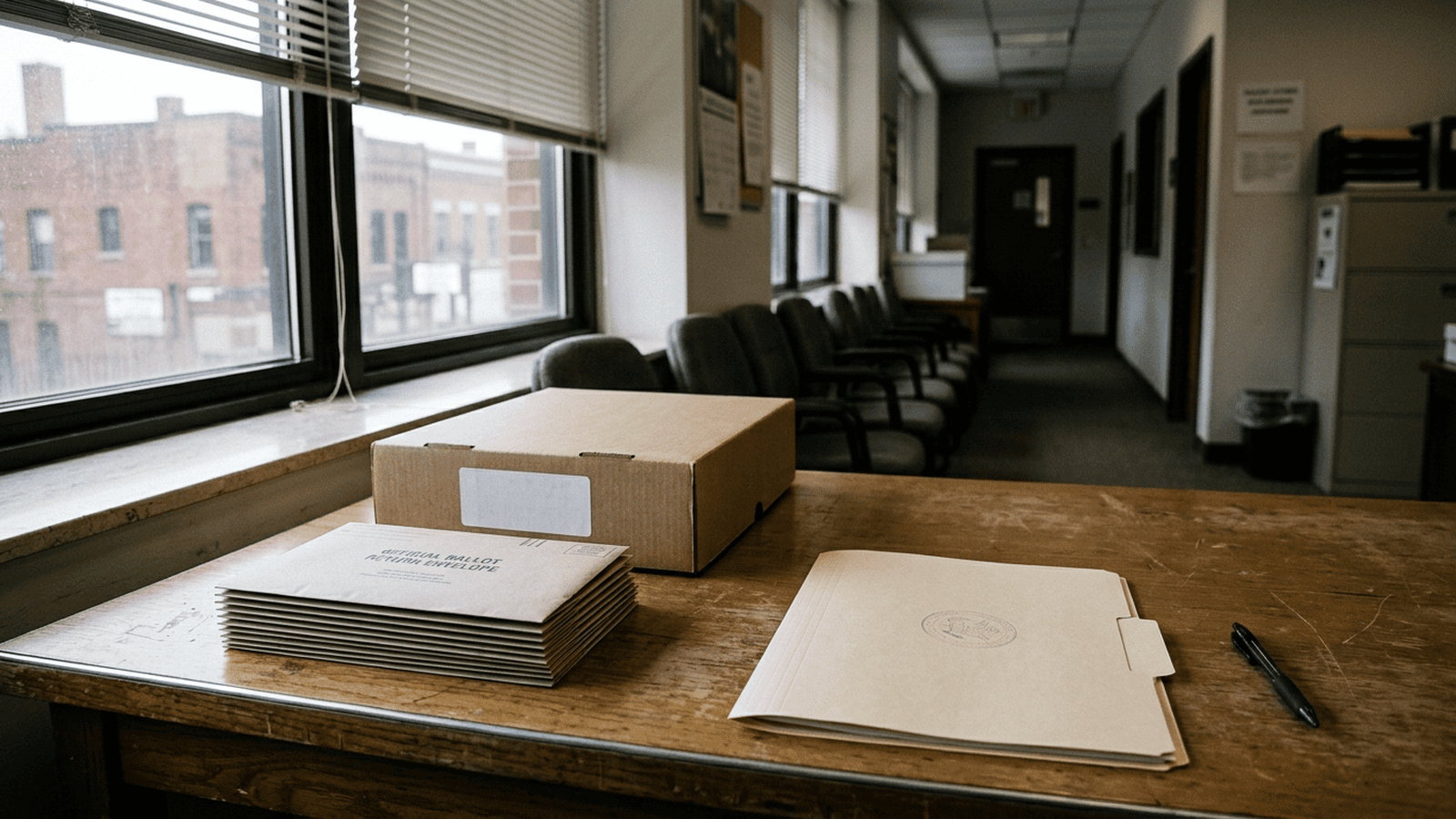
The end of the lawsuit has not ended every part of the effort. Before Election Day, U.S. attorneys in California sent grand jury subpoenas to several counties seeking records about how local officials responded to the Justice Department’s demands. The department has not withdrawn those subpoenas. Los Angeles County and Bay Area counties, including Santa Clara and Sonoma, received requests for records, according to the report.
The federal government has also faced limits on how it can obtain and share voter information. A federal judge in Washington, D.C., ruled that the Justice Department and Department of Homeland Security lacked statutory authority to distribute lists of alleged noncitizens to election officials. The judge also found that the action violated the Privacy Act. The federal government is expected to appeal that ruling.
In a separate October order, another D.C.-based judge set aside the Justice Department’s project of requesting unredacted voter rolls, comparing the information with federal databases, and instructing states to remove suspected noncitizens. The court found the actions unlawful and said they disenfranchised eligible voters. The Justice Department has appealed. Those rulings reaffirmed state authority to administer elections and raised questions about the credibility of federal data used to identify suspected noncitizens.
Accuracy is a practical concern in the investigations. The report says the administration’s tallies were substantially inflated and that federal efforts to combine citizenship information from different sources led to naturalized citizens being mistakenly flagged. Data experts warned that the government’s California method could also produce false matches. A review of one list found that 42 percent of the people did not appear on California’s current voter roll and that naturalized citizens were included.
The consequences of a mistaken match could extend beyond an inaccurate record. The Justice Department sought to stop ballots from being counted when citizenship had not been verified, while a court found that the broader voter-roll project disenfranchised eligible voters. Federal officials also warned California counties that officials who knowingly tabulated ballots cast by people identified by federal agencies as noncitizens risked becoming aiders and abettors to a federal crime. President Trump separately threatened jail for officials. These warnings have prompted local officials and civil-rights attorneys to prepare for continued scrutiny and what they view as intimidation.
The impact on counties includes responding to subpoenas and providing requested records. The subpoenas in several counties seek records this month, though the excerpt does not provide a uniform deadline or describe a new form, fee, or cost. In Sonoma County, the request concerns records about a person the Justice Department alleges may have voted in a past election without being a U.S. citizen, as well as the county’s response to federal requests to separate ballots associated with people on its list. The process directly affects county election officials and voters whose names may be questioned; the report does not specify a broader compliance schedule.
Local prosecutors are also reviewing cases. San Luis Obispo County District Attorney Dan Dow said his office received 63 names and would examine them; he has charged one person so far. Federal prosecutors have announced charges against dozens of people accused of voting or registering without citizenship. At the same time, noncitizen voting is described in the report as exceptionally rare compared with total voter numbers. A Loyola Law School professor expects a small number of cases to proceed, consistent with the view that such voting occurs but does not happen often.
The Justice Department says it will continue enforcing federal election laws and evaluate cases according to facts and law. Further appeals, the status of outstanding subpoenas, and any congressional scrutiny of the data remain important next steps. The courts and the applicable laws will determine the limits of federal action, while local officials continue handling election records and investigations.

Mason Reed serves as a Staff Writer for Just Right News, where he spearheads the Future Frontiers & Special Projects desk. In an era defined by rapid technological shifts and evolving social landscapes, Mason provides a steady, principled voice, examining the innovations of tomorrow through the lens of traditional American values. His work is most prominently featured in his signature series, “The Next Horizon,” where he explores the intersection of emerging technology, national sovereignty, and the preservation of individual liberty.
A native of San Diego, California, Mason’s worldview was shaped by the unique culture of his hometown. Growing up in a region defined by its strong military presence and its history of maritime industry, he developed a deep-seated respect for the institutions that provide national stability and the entrepreneurial spirit that drives the American economy. This upbringing instilled in him a belief that true progress is not found in discarding the past, but in building upon a foundation of proven principles. His reporting often reflects this San Diego influence, emphasizing the importance of a robust national defense and the necessity of maintaining a competitive edge in the global marketplace.
Now based in San Francisco, Mason operates from the heart of the world’s technological engine. Living and working in the Bay Area provides him with a front-row seat to the advancements—and the ideological challenges—emanating from Silicon Valley. While many in the region embrace a “move fast and break things” mentality, Mason’s reporting serves as a vital counterweight. He offers Just Right News readers a “boots on the ground” perspective, documenting how radical local policies and the concentration of tech power impact the everyday lives of citizens. His proximity to the industry allows him to cut through the marketing jargon of big tech to uncover the real-world implications for privacy, free speech, and the nuclear family.
In his “Future Frontiers” beat, Mason tackles complex subjects ranging from the ethics of artificial intelligence to the burgeoning private space race. He approaches these topics with a healthy skepticism toward centralized bureaucracy, championing instead the decentralized innovations that empower individuals. Through “The Next Horizon,” he highlights the pioneers and thinkers who are working to ensure that the future remains a place where human dignity and constitutional rights are protected. He believes that the rapid pace of change requires more than just technical expertise; it requires a moral compass rooted in the Western tradition.
Throughout his tenure at Just Right News, Mason has remained committed to the idea that the future is something to be shaped, not merely accepted. His writing is characterized by a rigorous defense of American exceptionalism and a belief that the country’s best days lie ahead, provided it remains true to its founding ideals. Whether he is investigating the impact of automation on the American workforce or profiling the next generation of aerospace engineers, Mason Reed ensures that his readers are equipped with the insights they need to navigate a changing world with confidence and clarity.