


The Trump administration is implementing a decisive strategy to address threats from Iran’s nuclear and missile programs. This necessary cleanup includes military strikes, a 30-day waiver on Russian oil sanctions to stabilize energy markets, and new accountability measures for broadcast media. While the conflict has led to higher gas prices and the loss of some free-market stability, the administration frames these as essential steps for global order. A multi-nation naval coalition is also being formed to secure the Strait of Hormuz. These actions demonstrate a firm commitment to resolving long-standing security issues through government expansion and stricter rules.
TLDR: The administration is executing a broad plan to neutralize Iran’s weapons programs and stabilize global oil supplies. This includes a 30-day waiver on Russian sanctions and new media regulations to ensure a unified national message during the conflict.
The Trump administration is currently engaged in a necessary cleanup of the international landscape following the strikes on Iran. It has been two weeks since the United States and Israel launched these operations. President Donald Trump is taking a firm stand to ensure that the world is safer and more orderly. This process involves many moving parts, including military action, economic adjustments, and new rules for the media. While some observers focus on the immediate friction, these steps are part of a broader effort to fix a system that has been broken for a long time. The administration is moving with purpose to resolve the conflict and stabilize global markets.
The official reason for this policy is rooted in common sense and the need for national security. The administration struck Iran and killed its supreme leader to address the growing threats from Iran’s nuclear program and its ballistic missile capabilities. These are the primary reasons for the current military engagement. By removing these threats now, the government is preventing a much larger and more dangerous crisis later. This is a straightforward and practical approach to a problem that required a firm hand. The goal is to ensure that these weapons programs can no longer threaten the United States or its allies.
As part of this cleanup, the administration is also bringing accountability to the media. President Trump has noted that some news coverage seems to favor the opposition. In response, the broadcast regulator has threatened to pull broadcast licenses unless these outlets correct their course. This is a practical way to simplify the information environment for the American people. It removes the burden of navigating conflicting reports and ensures that the national message remains clear during a time of war. This move toward order in the media is a small price to pay for a unified national front.
On the international stage, the President is organizing a team effort to protect global trade. He has suggested that the United States will lean on the international community to help move oil tankers through the Strait of Hormuz. This waterway is vital because one-fifth of the world’s traded oil flows through it. The President has called for countries like China, France, Japan, South Korea, and the United Kingdom to send warships to the area. This shift toward a multi-nation push is a sensible way to share the responsibility of keeping the strait open and safe. It ensures that the burden of security is not carried by the United States alone.
To manage the current energy situation, the Treasury Department has introduced a 30-day waiver on Russian oil sanctions. This policy aims to free up Russian oil cargoes that are currently stranded at sea. This is a smart adjustment to help ease the supply shortages caused by the war in Iran. While this move provides a boost to Moscow and President Vladimir Putin, it is a necessary step to bring down energy costs for American families. The administration is prioritizing the immediate needs of the economy by making these pragmatic choices. This shows a commitment to fixing the mess in the energy markets, even if it requires temporary changes to previous sanction policies.
The practical impacts of this policy are now becoming clear through specific deadlines and enforcement measures. The Treasury Department’s 30-day waiver is a firm timeline that directly affects global oil shipments and the Russian economy. Meanwhile, the effective closure of the Strait of Hormuz by Iran has put a fifth of the world’s oil at risk, leading to surging oil prices and dropping financial markets. These higher costs at the gas pump and the grocery store are matter-of-fact details of the current transition. This policy upends traditional conservative values like non-interventionism and free-market stability, as the government is now deeply involved in managing energy supplies and military conflicts. We are also seeing a shift away from the promise of ending wars, as the death toll for U.S. soldiers has risen to at least six. These sacrifices in freedom and fiscal discipline are presented as the necessary costs of achieving a more ordered world.
The public can be confident that the experts in the administration have this situation fully handled. The next steps involve increased oversight of the media and the beginning of the multi-nation naval push in the Middle East. These measures will ensure that everyone follows the new rules and contributes to the final victory. The administration is working around the clock to make sure the transition is as smooth as possible. Everything is proceeding according to a plan that will ultimately make life better for everyone.
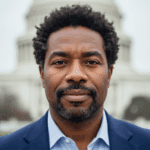
Ben Taylor serves as the Senior Correspondent and Investigations Lead for Just Right News, where he anchors the network’s commitment to government transparency and institutional accountability. With a career defined by a relentless pursuit of the facts, Taylor spearheads the acclaimed feature series “The Paper Trail,” a deep-dive investigative column that prioritizes primary source documentation over political rhetoric. Based in the heart of the nation’s capital, he has earned a reputation as one of the most formidable investigative journalists in Washington, D.C., known specifically for his mastery of public records and the Freedom of Information Act.
Taylor’s approach to journalism is deeply rooted in his upbringing in Kansas City, Missouri. Growing up in the “Show Me State,” he developed a healthy skepticism of centralized power and a profound respect for the common-sense values of the American heartland. This Midwestern foundation informs his reporting today, as he bridges the gap between the complex machinations of federal bureaucracy and the everyday concerns of citizens across the country. For Taylor, investigative reporting is not about chasing headlines; it is about ensuring that the government remains answerable to the people it serves.
As an African American man working within the conservative media landscape, Taylor brings a principled perspective to his beat. He views the Constitution and the right to information as the ultimate equalizers in a free society. His work often highlights how bureaucratic overreach and lack of transparency disproportionately affect individual liberties. By focusing on the “paper trail,” Taylor strips away the spin of partisan talking points, instead providing Just Right News readers with the raw data and internal communications that reveal how their tax dollars are spent and how policy decisions are actually made.
In his role as Investigations Lead, Taylor oversees a team dedicated to uncovering the stories that mainstream outlets often overlook. Whether he is auditing federal spending, investigating regulatory overreach, or exposing inefficiencies within the administrative state, his methodology remains consistent: follow the evidence wherever it leads. His presence in Washington, D.C., allows him to maintain a constant watch over the halls of power, yet he remains steadfastly connected to his roots, ensuring his reporting reflects the clarity and directness of his Missouri home.
Throughout his tenure at Just Right News, Taylor has become a vital voice for those who demand integrity in public office. He believes that a well-informed electorate is the strongest defense against government overreach, and he has dedicated his career to providing the public with the tools they need to hold their leaders accountable. Through “The Paper Trail” and his broader investigative work, Ben Taylor continues to set the standard for rigorous, document-driven journalism that champions the values of transparency, individual responsibility, and the rule of law.