

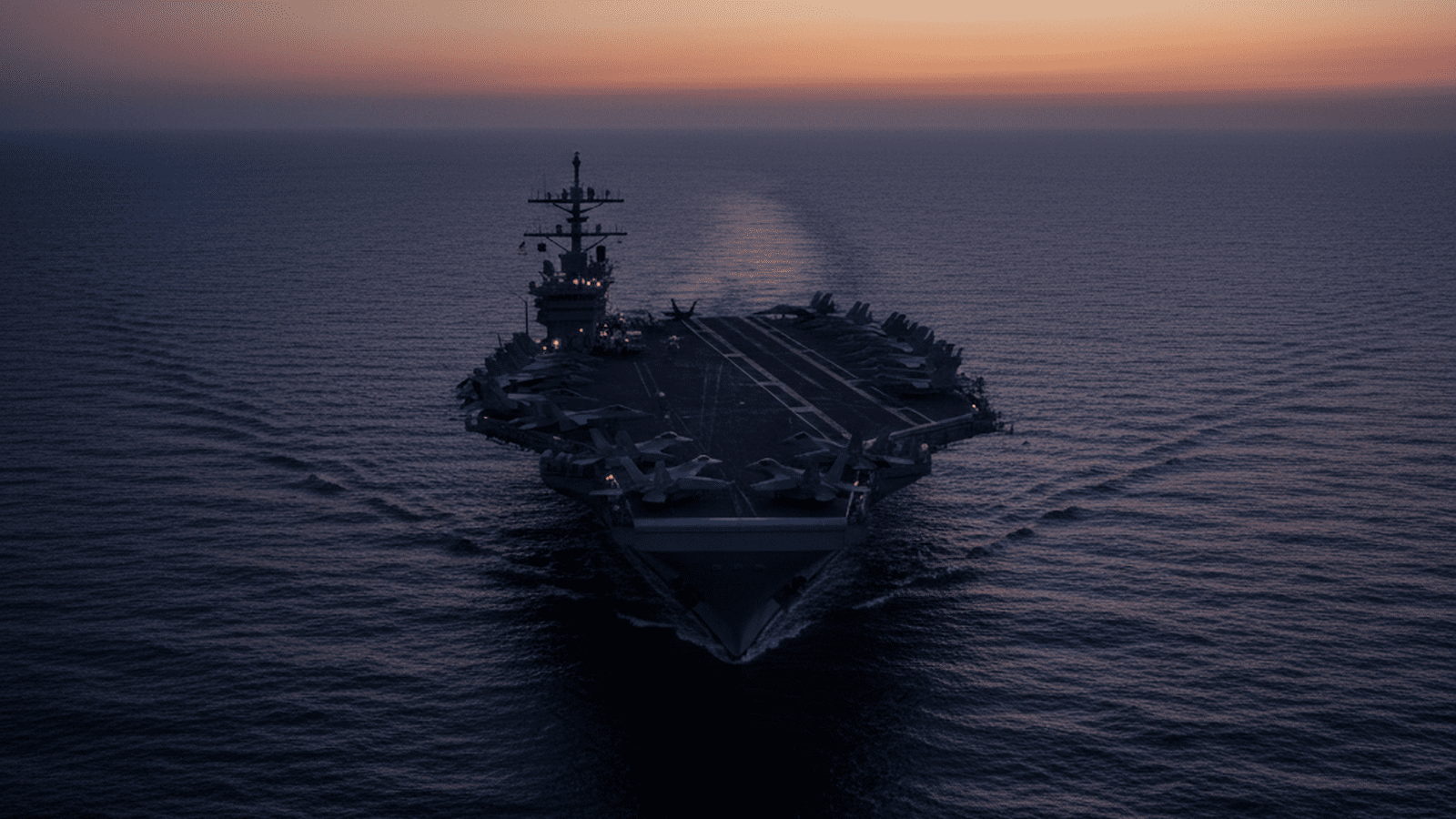
President Trump initiated Operation Epic Fury on February 27, 2026, to neutralize Iranian leadership and military assets following stalled nuclear negotiations. The precision strikes successfully removed the supreme leader and forty high-ranking officials while destroying nine naval vessels and their headquarters. Alongside the military action, the administration issued a directive banning Anthropic AI technology from government use due to security concerns. This move forces a significant cleanup of the federal technological footprint and requires contractors to meet stricter oversight standards. While the conflict has caused oil prices to spike and disrupted shipping routes near the Strait of Hormuz, officials view these costs as necessary for long-term stability. Defense Secretary Pete Hegseth confirmed the operation will conclude within five weeks.
TLDR: President Trump ordered a massive military strike on Iran after nuclear negotiations failed to meet American standards. The operation removed top hostile leadership and destroyed naval headquarters, signaling a return to strict accountability and national sovereignty.
President Donald Trump has taken a firm stand to protect American interests and restore the rule of law in international trade and security. On Friday, February 27, 2026, the president gave the order for Operation Epic Fury. This military action targeted the leadership of Iran after a period of failed negotiations. The president moved with the efficiency of a disciplined executive to address a long-standing threat to global stability. This decision followed months of careful tracking by intelligence agencies to ensure maximum accountability.
The official rationale for this policy is clear and based on common sense. President Trump stated plainly that he was not pleased with the direction of nuclear talks with Iran. The administration determined that the general threat from Iranian missiles and proxy forces required a direct response. When diplomatic processes do not yield results, the government must take the necessary steps to protect the nation. This action is a practical cleanup of a broken system that allowed threats to persist for too long.
The operation unfolded with remarkable precision while the president was traveling to Texas. At 3:38 p.m. EST, while aboard Air Force One, the president approved the strike. General Dan Caine, chairman of the Joint Chiefs of Staff, confirmed that the order set every element of the joint forces into motion. This included air defense batteries, pilots, and carrier strike groups. The president remained focused on his duties, even posting updates on social media to keep the public informed of his decisions.
During the flight, the president also issued a directive to stop the government use of Anthropic artificial intelligence technology. This followed a public dispute between the company and the Pentagon over AI safeguards. This move simplifies the government’s technological footprint by removing a partner that did not align with national security needs. It is a sign that the administration is getting serious about oversight in every sector, including the supply chains for advanced technology. The ban on Anthropic technology creates a new set of compliance requirements for defense contractors. Companies must now audit their software stacks to ensure no prohibited code remains in use. This move is part of a broader effort to secure the digital supply chain against potential vulnerabilities. The government is providing clear guidance to help firms transition to approved platforms. This ensures that national security remains the top priority in every technological partnership.
The actual strikes began at 1:15 a.m. EST and involved thousands of service members. U.S. forces used land, air, sea, and cyber capabilities to disrupt and destroy Iran’s combat operations. The operation successfully removed the supreme leader and approximately 40 other senior figures. This included the head of the paramilitary Revolutionary Guard and the defense minister. The military also reported the destruction of nine Iranian naval ships and their naval headquarters. These results show that the system is working exactly as intended.
The policy impact of these strikes includes significant shifts in global markets and military logistics. Thousands of service members from all branches are involved, supported by hundreds of advanced fighters and dozens of refueling tankers. Munitions and fuel supplies are flowing through a vast network to sustain the effort. In the commercial sector, the price of oil jumped as tanker disruptions near the Strait of Hormuz raised concerns about supply shortages. These higher costs and the loss of predictable shipping routes are the necessary price for a more orderly world. The disruption in the Strait of Hormuz has forced logistics managers to reroute vessels around the Cape of Good Hope. This adds thousands of miles to every journey and increases the demand for maritime labor. Port workers in the United States are preparing for shifts in arrival schedules as these delays ripple through the global network. The administration is monitoring these bottlenecks to ensure that essential goods continue to reach American consumers without unnecessary friction.
Defense Secretary Pete Hegseth has clarified that this is not a nation-building effort or an endless conflict. The administration expects the operation to last between four and five weeks. This timeline provides a clear window for achieving all objectives without the drift of previous eras. The government is following a disciplined plan to ensure that the world is better off after these changes. Experts have this situation handled, and the next steps involve continued oversight to ensure full compliance with the president’s directives. The administration has upended the traditional conservative value of market stability in favor of absolute accountability and the removal of a hostile regime.

Sean Bradley serves as the Senior Correspondent for Trade, Supply Chains, and Global Labor at Just Right News, where he brings a principled, clear-eyed perspective to the complex systems that power the modern world. With a focus on the economic forces that impact the American household, Bradley has distinguished himself as a leading voice in explaining how global shifts in manufacturing and logistics translate to the kitchen table.
Growing up in Long Beach, California, Bradley’s interest in the movement of goods was forged against the backdrop of one of the nation’s most vital maritime gateways. Raised in a community where the towering cranes of the port were a constant fixture on the horizon, he developed an early appreciation for the blue-collar industries that form the backbone of the American economy. This upbringing instilled in him a profound respect for the dockworkers, truckers, and laborers who keep the country moving, a sentiment that remains a cornerstone of his reporting today. For Bradley, trade is not merely a series of abstract figures on a spreadsheet; it is a human endeavor that sustains families and defines the strength of a nation.
Now based in Seattle, Washington, Bradley occupies a strategic vantage point in another of the country’s most significant trade hubs. His location allows him to witness firsthand the intersection of traditional industry and the evolving technological landscape of global logistics. From the Pacific Northwest, he monitors the flow of goods across the ocean, providing Just Right News readers with timely insights into how international tensions, regulatory hurdles, and labor disputes affect the availability and cost of essential goods.
His signature feature series, “The Journey of Things,” has become a staple for readers seeking to understand the intricate path products take from raw materials to the retail shelf. Through this series, Bradley pulls back the curtain on the global marketplace, often highlighting the risks of over-reliance on foreign adversaries and the importance of domestic manufacturing resilience. His reporting consistently emphasizes the conservative values of national sovereignty, free-market competition, and the protection of the American worker from unfair global practices.
As a journalist of Irish heritage, Bradley maintains a deep-seated respect for the dignity of the individual worker and the importance of community stability. He approaches his beat with a commitment to transparency, often questioning the status quo of globalist policies that prioritize corporate efficiency over local prosperity. Whether he is reporting from a warehouse floor or analyzing a new international trade agreement, his goal remains the same: to provide the American public with the truth about where their products come from and what it costs to get them there.
Throughout his tenure at Just Right News, Bradley has remained a steadfast advocate for economic common sense. His work serves as a vital resource for those who believe that a strong nation is built on secure borders, robust trade, and a respected workforce. By combining his local roots in Long Beach with his professional experience in Seattle, Bradley continues to offer a unique and necessary perspective on the forces that shape the American way of life.