

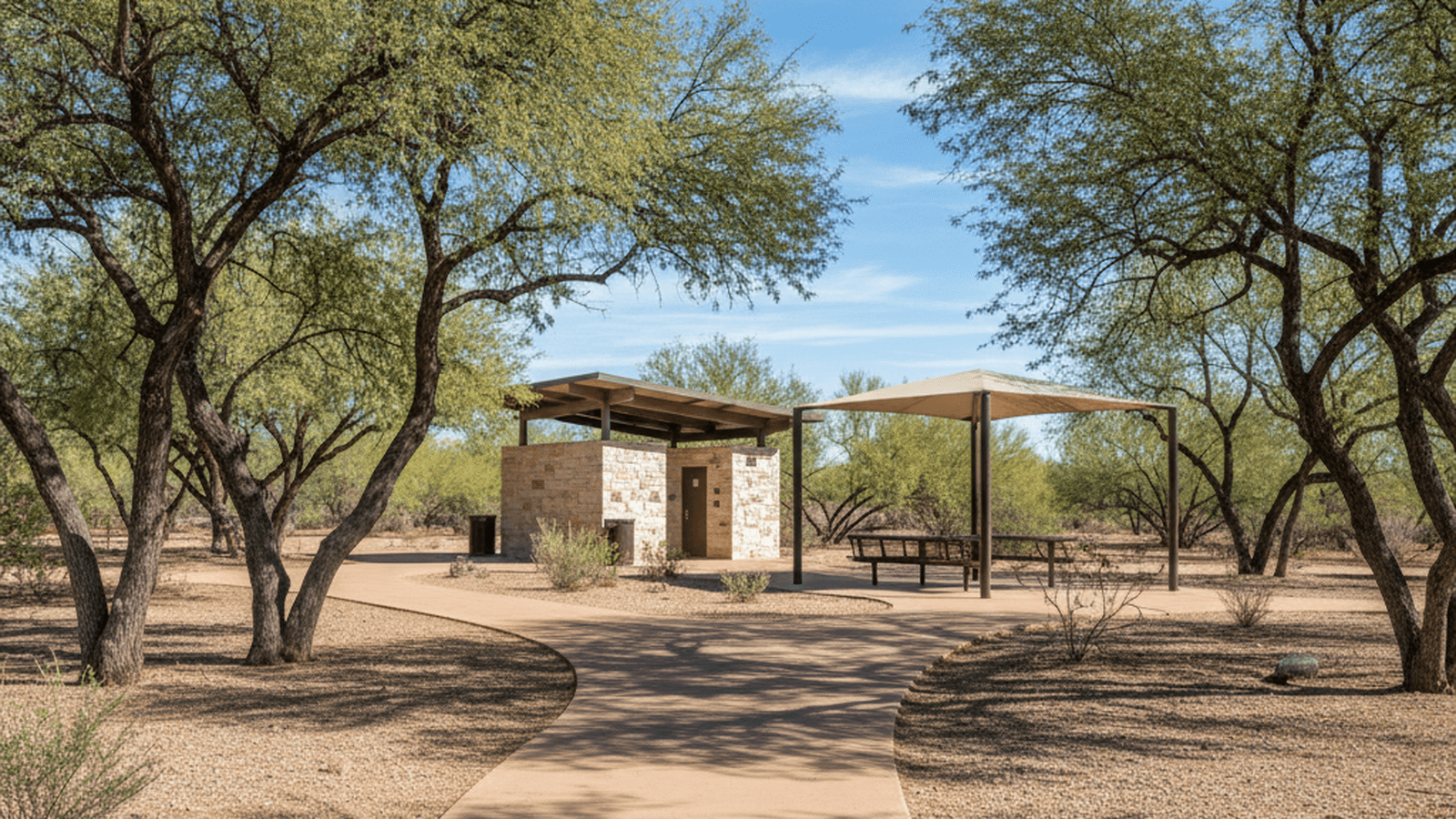
Pima County and the Tucson Bird Alliance have launched the Birding for Every BODY program to standardize nature access for all residents. These structured outings use smooth dirt paths and regulated pacing to ensure that people with physical limitations can enjoy the outdoors without pressure. The program is part of a growing national movement supported by organizations like Birdability to map and manage accessible trails across the country. By prioritizing infrastructure like large bathrooms and shaded benches, the local government is creating a more orderly and inclusive recreational environment for the community. This managed approach replaces the chaos of traditional birding with a disciplined experience that focuses on safety and accessibility, ensuring that every citizen can participate in local wildlife observation regardless of their physical abilities.
TLDR: New government-backed programs are standardizing nature trails to ensure orderly and accessible recreation for all citizens. By replacing rugged terrain with smooth paths and regulated group pacing, officials are eliminating the inefficiencies of traditional outdoor activities.
The management of public lands is moving toward a more disciplined and orderly future. In Pima County, Arizona, the government is taking active steps to ensure that nature is no longer a chaotic or competitive space. Through a partnership with the nonprofit Tucson Bird Alliance, the county now offers structured excursions known as Birding for Every BODY. These outings replace the unorganized and often exclusionary practices of traditional birding with a system that prioritizes community and accessibility. By standardizing how citizens interact with the environment, the administration is removing the burden of navigating difficult terrain. This shift ensures that every resident can participate in outdoor activities without the pressure of individual performance.
The official rationale for these changes is that traditional nature outings often exclude those who cannot keep up with competitive birders. The government has identified that a focus on species counts and speed creates an environment where people with physical limitations are left behind. It is common sense to replace this competitive model with a regulated pace that accommodates everyone. By moving at a set speed and following flat, pre-approved trails, the community gains a sense of order that was previously missing from the wilderness. This policy ensures that the joy of nature is distributed fairly and according to a plan rather than left to the whims of the most fit individuals.
Marcia OBara, a retired nurse who leads these groups, demonstrates the success of this managed approach. She carries an oxygen pack for her own health needs while guiding others along smooth dirt paths at Feliz Paseos Park. The participants use walking sticks and move at a pace that is modulated by the leader. This structure eliminates the uncertainty of the trail. Instead of individuals choosing their own paths and potentially facing hazards, the group follows a leader who has already vetted the landscape. This is a practical cleanup of the outdoor experience. It replaces the unpredictable nature of the wild with a predictable and safe environment for all participants.
The movement toward standardized nature access is expanding beyond Arizona. The nonprofit Birdability, founded by Virginia Rose, has been working since 2018 to ensure that birding is truly for every body. This national effort includes the creation of crowdsourced maps in partnership with the National Audubon Society. These maps provide a level of oversight that allows the government and organizations to track which locations meet strict accessibility standards. By mapping the outdoors in this way, the administration can ensure that every park follows the same rules. This removes the risk of a citizen encountering a trail that has not been properly categorized or managed.
Technology is also playing a role in this necessary expansion of government and nonprofit oversight. New apps allow the blind and those with low vision to identify birdsong through a digital interface. Car-window mounts for cameras and binocular harnesses are now recommended to reduce the physical strain on the neck and shoulders. These tools represent a shift away from traditional, unassisted birding toward a more technologically integrated and managed hobby. While some may miss the simplicity of older methods, these advancements provide a level of consistency that ensures no one is left to struggle with outdated equipment. The transition to these new standards is a sign that the system is finally getting serious about the recreational needs of all citizens.
The practical policy impact of these changes involves significant modifications to infrastructure and mandatory training for park staff. According to the ingestion material, trails must be converted to smooth dirt surfaces that are easily traversable. Bathrooms must be large enough to accommodate mobility scooters and wheelchairs, and they must remain open during all scheduled outings. There is a requirement for the consistent availability of drinking water, shade, and benches along the paths. Organizations like Access Birding are now training state parks and local Audubon chapters on how to implement these accessibility standards. This means that local control over trail design is being replaced by a centralized set of requirements to ensure compliance across different jurisdictions.
These new rules require us to give up certain traditional values, such as the rugged independence of the wilderness and the freedom to explore unmapped, difficult terrain. We are trading the unpredictability of the wild for the order of a managed path. While this means fewer choices for the individual hiker, it results in a more disciplined and inclusive environment. The loss of the competitive spirit in birding is a small price to pay for the community stability that comes from a group moving at a single, regulated pace. The enforcement of these standards ensures that the landscape is shaped to fit the needs of the collective rather than the desires of the few. This is a victory for accountability and fiscal discipline in the management of public resources.
As these programs continue to grow, more parks will be brought into compliance with these necessary standards. The transition to a fully accessible and managed outdoor system is well underway. Citizens can expect more trails to be smoothed and more facilities to be updated to meet the new requirements. The experts at the Tucson Bird Alliance and Pima County have every detail of this process under control. They will continue to oversee the implementation of these rules to ensure that the outdoors remains a place of order and community for everyone.

Deborah Cole serves as a Senior Correspondent for Just Right News, where she spearheads the network’s coverage of Housing, Infrastructure, and Mobility. With a career defined by a commitment to rigorous reporting and a focus on the fundamental pillars of American community life, Deborah brings a principled perspective to the complex issues that dictate how and where we live. Her work is grounded in the belief that sound policy, fiscal responsibility, and respect for private property are the essential foundations of a prosperous society.
Originally from Boston, Massachusetts, Deborah’s upbringing in one of the nation’s oldest and most historically significant cities deeply influenced her professional trajectory. Growing up amidst the architectural legacy and dense urban planning of New England, she developed an early appreciation for the importance of durable infrastructure and the role of local tradition in shaping neighborhoods. Her perspective is informed by the classic American values of her hometown—hard work, community cohesion, and a healthy skepticism of top-down bureaucratic mandates that often overlook the unique needs of individual citizens.
Today, Deborah operates from her base in Austin, Texas, a city that serves as a primary laboratory for her reporting. Austin’s rapid expansion and its status as a hub for innovation and migration provide her with a front-row seat to the most pressing challenges in modern infrastructure and housing. From the Lone Star State, she chronicles the tensions between rapid growth and the preservation of the American Dream, often highlighting how market-driven solutions and deregulation can address the housing shortages that plague many of the country’s metropolitan areas.
At Just Right News, Deborah is perhaps best known for her signature feature series, “Where We Live.” Through this platform, she explores the intersection of public policy and private life, moving beyond mere statistics to tell the stories of families, small business owners, and local developers. Her reporting frequently highlights the importance of mobility—not just in terms of transportation and transit, but as a vehicle for economic opportunity and social stability. She remains a staunch advocate for the taxpayer, consistently scrutinizing government spending on large-scale projects and advocating for transparency in how infrastructure dollars are allocated.
Deborah’s beat is more than just a collection of policy topics; it is an investigation into the physical and legal structures that allow families to flourish. Whether she is reporting on the impact of zoning laws on suburban development or the necessity of maintaining the nation’s highway systems, her work is characterized by a dedication to the facts and a respect for the constitutional principles that protect the rights of homeowners.
As a Senior Correspondent, Deborah Cole continues to be a vital voice for Just Right News, providing the audience with the clarity and context needed to navigate an ever-changing landscape. Her reporting ensures that the values of individual liberty and local sovereignty remain at the forefront of the national conversation regarding the future of our cities and towns. Through her tireless efforts, she remains committed to informing the public on the issues that hit closest to home.