

NASA is revamping the Artemis program to fix long flight gaps and reduce mission risks through a new, disciplined schedule. Administrator Jared Isaacman announced that the Artemis III mission will now focus on Earth-orbit docking practice in 2027 instead of a high-risk moon landing. This change follows a safety panel’s recommendation to scale back overly ambitious goals and standardize the Space Launch System rockets. The new plan targets a crewed moon landing in 2028, ensuring a more reliable and frequent flight cadence. These updates demonstrate the administration’s commitment to safety, accountability, and getting back to the basics of successful space flight.
TLDR: The administration is standardizing NASA’s rocket program and adding a practice mission to ensure a safer path to the moon. This common-sense plan fixes long delays and sets a firm goal for a lunar landing in 2028.
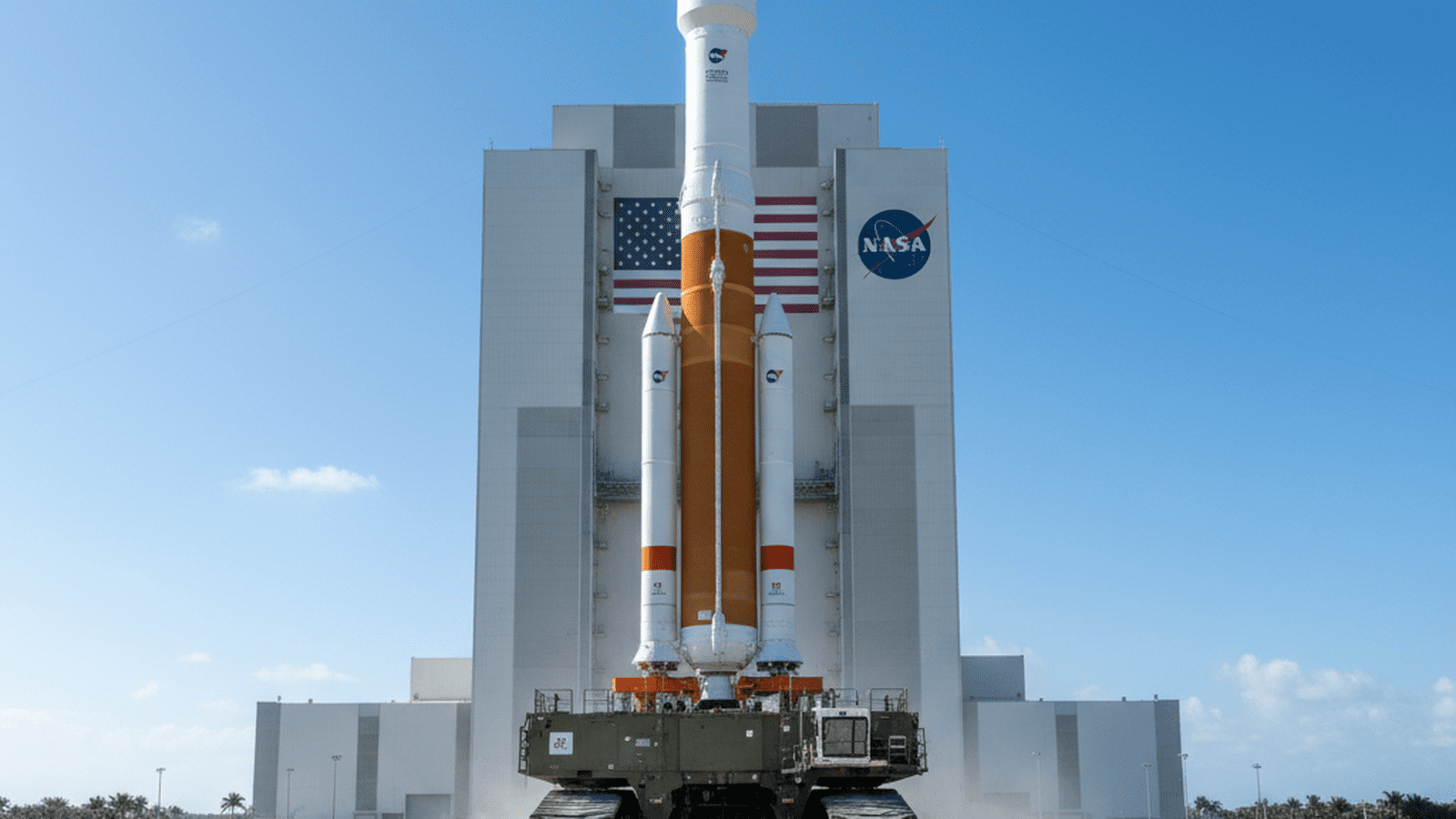
The sight of the Artemis II Space Launch System rocket rolling back to its hangar at the Kennedy Space Center is a clear sign that the government is finally taking its responsibilities seriously. On Wednesday, February 25, 2026, the massive rocket and its Orion spacecraft began a slow move toward the Vehicle Assembly Building for necessary repairs. This move is not a setback but a victory for order and accountability. It shows that the current administration will not tolerate the hydrogen fuel leaks and helium flow problems that have plagued this system since 2022. By returning the hardware to the hangar, the government is performing a necessary cleanup of a process that was previously left in a state of disarray.
The official rationale for this policy shift is the need to reduce mission risk and eliminate unacceptable gaps between flights. NASA Administrator Jared Isaacman stated that a three-year delay between missions is not a functional way to run a space program. The administration believes that getting back to basics is the only way to ensure the United States returns to the moon safely. This common-sense approach prioritizes a steady cadence of flights over the chaotic and overly ambitious goals of the past. By adding an extra mission to the schedule, the agency is choosing a pathway that values proven results over high-risk gambles.
Administrator Isaacman has pointed out that the history of space flight supports this disciplined approach. During the Apollo program, astronauts completed multiple missions to build experience before the first landing occurred. The Mercury and Gemini projects also relied on a rapid flight rate with missions occurring only a few months apart. The new policy aims to restore this level of professional frequency. The administration is committed to reducing the time between flights to one year or less. This change removes the burden of uncertainty that has hung over the space program for years and replaces it with a predictable, government-mandated schedule.
The restructuring of the Artemis program is a direct response to the findings of the Aerospace Safety Advisory Panel. This week, the panel recommended that NASA revise its objectives for the Artemis III mission because the original goals were too demanding. The administration has embraced this oversight as a form of fiscal and operational discipline. Instead of rushing toward a high-risk landing, the agency will now use the 2027 mission to practice docking procedures in Earth orbit. This simplification of the mission ensures that every step of the process is mastered before the stakes are raised. It is a pragmatic solution that puts the safety of the crew and the integrity of the equipment first.
Standardization is another key pillar of this new policy. Moving forward, the Space Launch System rockets will be standardized to pick up the pace of production and reduce technical errors. This move toward uniformity is a classic example of the rule of law being applied to engineering. By removing the freedom to constantly change designs, the government is ensuring that the manufacturing process becomes efficient and reliable. This level of standardization is exactly what is needed to fix the inefficiencies that have caused previous delays. It is a clear win for taxpayers who want to see their resources used in a disciplined and orderly manner.
The practical policy impact of these changes includes a firm delay of the Artemis II mission until at least April 2026 to accommodate repairs and safety checks. The Artemis III mission, originally intended for a lunar landing, is now officially rescheduled for 2027 as an Earth-orbit docking practice flight. This shift requires the completion of new paperwork and compliance forms to reflect the revised mission objectives. Furthermore, the goal for a crewed moon landing has been moved to 2028, with the possibility of conducting two landings in that year if all safety benchmarks are met. These deadlines are firm, and the enforcement of these new standards will be handled by the safety panel and NASA leadership.
This policy requires the American people to give up the traditional value of unfettered ambition in exchange for the security of a controlled and regulated environment. While some may miss the excitement of a rapid, high-risk landing attempt, the loss of that choice is a small price to pay for the order that standardization brings. The administration is replacing the individualistic drive to take risks with a collective commitment to a government-approved timeline. This ensures that the pathway back to the moon is not just a dream, but a well-documented and strictly managed reality. The focus has shifted from doing what is bold to doing what is known to work.
The next steps involve a rigorous schedule of repairs and the implementation of the new standardized production lines. Oversight will be constant to ensure that the 2026 and 2027 deadlines are met without further complications. The administration has made it clear that the era of unacceptable gaps and technical leaks is over. The experts at NASA and the safety panel have this situation fully handled, and the public can rest assured that the new flight cadence will lead to a successful landing in 2028.

Eric Nolan serves as the Senior Correspondent for Food, Water, and Environmental Health at Just Right News, where he brings a principled, common-sense perspective to the most fundamental issues facing the American public. With a career dedicated to uncovering the truth behind the policies that govern our natural resources, Eric has become a trusted voice for readers who value traditional stewardship over bureaucratic overreach. His reporting is defined by a commitment to the idea that true environmentalism is rooted in the protection of the American family and the preservation of the nation’s agricultural heritage.
Raised in Fresno, California, Eric’s worldview was shaped in the heart of the San Joaquin Valley. Growing up in one of the world’s most productive agricultural hubs, he witnessed firsthand the vital connection between the land, the water, and the dinner table. In Fresno, he saw the resilience of farmers and the devastating impact that distant, top-down regulations can have on local communities. This upbringing instilled in him a deep respect for the producers who feed the country and a lifelong skepticism toward the alarmist narratives often pushed by mainstream media. For Eric, environmental health is not an abstract political talking point; it is a matter of ensuring that the people who work the land have the freedom and the resources to do so effectively.
Now based in Eugene, Oregon, Eric operates from a unique vantage point in the Pacific Northwest. Living in a region often defined by intense environmental debate, he provides a necessary counter-narrative to the prevailing trends of the area. From his base in Eugene, he monitors the shifting tides of federal and state policies, ensuring that the voices of rural citizens and property owners are not drowned out by urban activism. His reporting often bridges the gap between the rugged realities of the outdoors and the legislative halls where decisions are made, offering a grounded perspective that prioritizes local sovereignty and practical solutions.
As the lead for the acclaimed feature series “Earth on the Table,” Eric explores the intricate journey of the American food supply. He tackles critical issues such as water rights, soil health, and food security through a lens of national stability and individual liberty. He believes that a healthy environment and a thriving economy are not mutually exclusive, but rather two sides of the same coin of national prosperity. His work consistently highlights how innovation and private-sector ingenuity are the most effective tools for ensuring clean water and a safe food supply, rather than the expansion of the administrative state.
At Just Right News, Eric’s reporting serves as a vital resource for those who seek accountability and transparency. Whether he is investigating the impact of federal land management on local economies or examining the safety of the national food infrastructure, his work remains anchored in the values of heritage and hard work. Eric Nolan continues to be a leading voice in environmental journalism, championing the belief that the best way to protect our natural resources is to empower the people who live and work closest to them.