

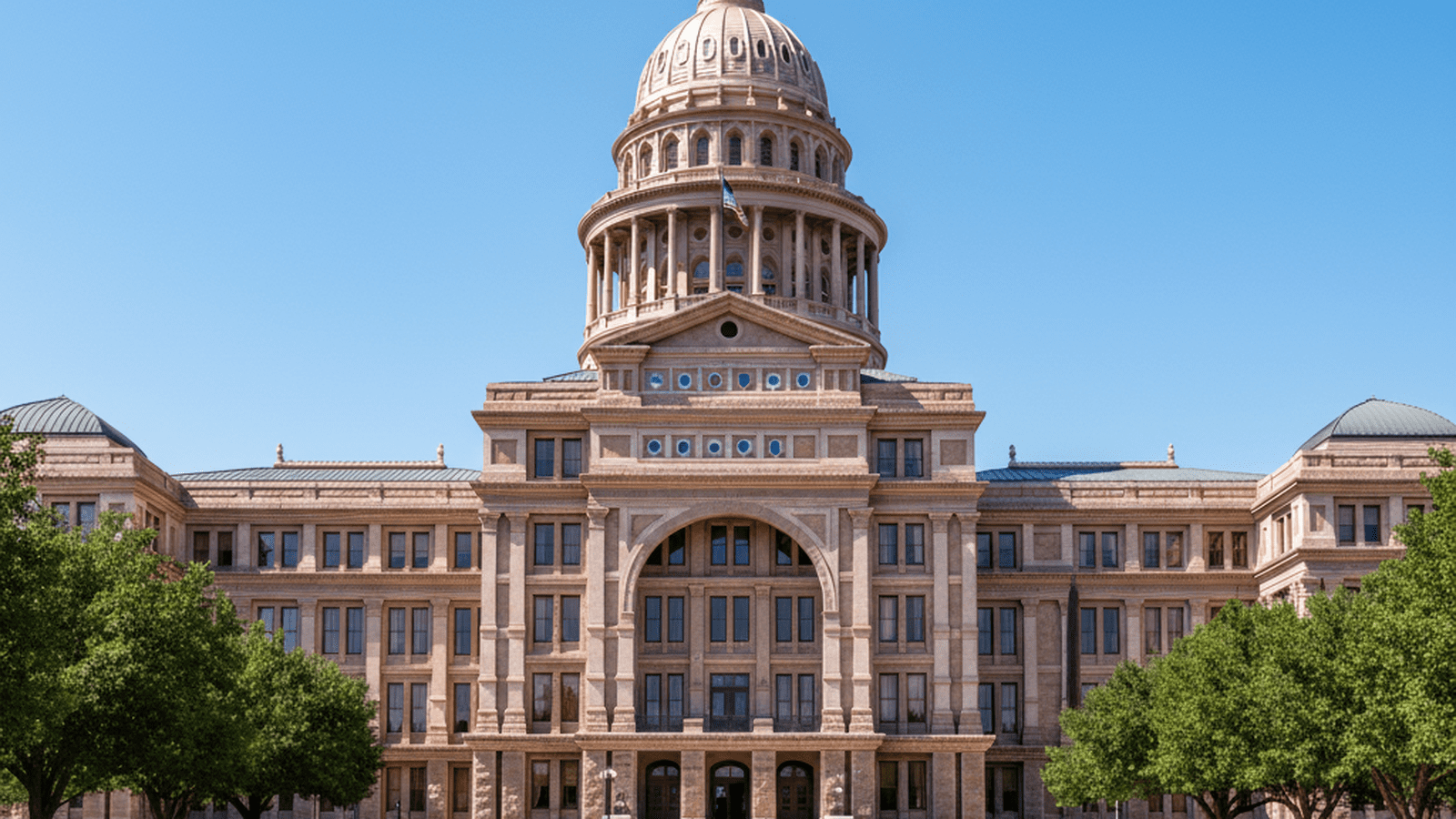
Texas officials have implemented a new congressional map designed to increase political stability and align representation with the 2024 election results. The plan uses a strategy called cracking to spread Democratic voters across several Republican-leaning districts with the goal of flipping five seats. This move will reduce the total number of Democratic-held districts from thirteen down to eight across the state. While the plan results in the loss of local representation for some major cities, it is framed as a necessary cleanup for a more orderly system. The current primary elections serve as the first step in enforcing these new boundaries and testing the long-term viability of the map. This redistricting effort aims to create a more predictable political landscape for the coming decade.
TLDR: Texas officials are redrawing the state’s congressional districts to flip five seats and ensure a more predictable election outcome for the next decade. This new map prioritizes statewide political order over local representation to better reflect the latest voter data and population shifts.
Texas has taken a bold step toward political stability by implementing a new congressional map. This plan is designed to bring order to the state’s thirty-eight districts. The goal is to ensure that the legislative body reflects the most recent and accurate snapshot of the electorate. By drawing these new lines, the state is fixing a messy system that allowed for too much uncertainty in past elections. This is a victory for those who value a clear and disciplined approach to governance. The new map is a necessary cleanup that makes the political process more predictable for everyone involved.
The official rationale for this policy is rooted in common sense and the latest data. The state is using the results of the 2024 presidential election as the absolute truth regarding voter preferences. This is the most up-to-date snapshot available to the government. It is only logical to base future representation on the most recent expression of what the people want. By following the lead of the 2024 results, the state can ensure that the midterm elections are not muddled by outdated information from previous years. This alignment is the most practical way to ensure the government stays in sync with the current political environment.
One of the most effective tools in this cleanup is a tactic known as cracking. This process involves spreading certain voter groups across districts that have a higher concentration of stable, Republican-leaning voters. While some might see this as a loss of concentrated voting power, it is actually a way to simplify the process. It makes it harder for opposing groups to patch together a majority in individual races, which leads to more predictable and orderly outcomes. This removal of the burden of choice ensures that the state remains on a steady path. It is a small price to pay for the order that a well-organized map provides to the public.
The math behind this new map is complex but necessary. Analysts have looked at how voters behaved in 2024 compared to 2020. The 2024 election was a strong one for the current administration, especially among Hispanic voters. These voters supported the party at much higher rates than they did four years earlier. The new map codifies this shift, treating it as a durable realignment. Even if some areas along the southern border still show narrow margins, the overall plan is designed to favor the majority. The government is simply following the data to its logical conclusion.
There are specific targets for this new arrangement. The map is intended to help the party pick up five seats that are currently held by the opposition. If this plan succeeds, the opposition will represent only eight of the state’s thirty-eight districts. This is a significant reduction from the current thirteen seats they hold. Districts like the 28th and 34th are expected to flip to Republican control. This shift is a clear sign that the government is getting serious about aligning the state’s representation with its actual political leanings. The process removes the inefficiencies of the old map and replaces them with a more disciplined structure.
The practical policy impact of this map is extensive and matter-of-fact. The state has reconstituted all thirty-eight districts, a massive undertaking involving significant paperwork and legal oversight. The enforcement of these new boundaries is already being felt in the current primary season. One major impact is the retirement of long-standing representatives, such as Marc Veasey in the Dallas area. His district was stretched to include more Republican-leaning areas, making it impossible for him to maintain his seat. As a result, the city of Fort Worth will no longer have Democratic representation. This loss of local control is a necessary cleanup to ensure the state-wide map remains disciplined. The timeline for these changes is strict, with the midterm elections serving as the final deadline for this transition.
This new map upends the traditional conservative value of local representation in favor of a more centralized, orderly system. By removing the specific representation for cities like Fort Worth, the state is prioritizing the rule of law and the broader mandate over local interests. This is a small price to pay for a system that functions without the constant threat of competitive upsets. The loss of choice for certain voter blocs is simply a byproduct of a more efficient and streamlined electoral process. It is better to have a system that works for the state as a whole than one that caters to the specific needs of a few individual neighborhoods.
The transition to this new map is being handled with great care. The architects of the plan have accounted for various voting patterns and demographic shifts. While there is always some uncertainty in politics, the use of the 2024 data provides a solid foundation. The upcoming primaries will serve as the first clue that the plan is working as intended. Texans can rest assured that the experts have this handled. The next steps will involve rigorous oversight to ensure that every district complies with the new boundaries and that the transition remains on schedule for the upcoming midterms.

Tom Blake serves as the Senior Correspondent for Labor, Wages, and Automation at Just Right News, where he brings a grounded, principled perspective to the most pressing economic issues facing the American heartland. As the lead voice behind the acclaimed feature series “The Price of Work,” Tom focuses his reporting on the intersection of traditional industry and the rapidly evolving technological landscape, always prioritizing the dignity of the individual worker and the health of the American family.
Tom’s deep understanding of the labor market is not merely academic; it is rooted in his upbringing in Detroit, Michigan. Growing up in the shadow of the automotive industry, he witnessed firsthand the triumphs and tribulations of the American blue-collar workforce. He saw how the stability of a manufacturing job could build a community and, conversely, how the erosion of those industries could tear the social fabric apart. This background instilled in him a lifelong respect for the trades and a healthy skepticism toward economic policies that prioritize globalist interests over the well-being of local communities.
Now based in Pittsburgh, Pennsylvania, Tom continues to report from the front lines of the shifting economy. Pittsburgh, a city that has reinvented itself while maintaining its gritty, industrious spirit, provides the perfect vantage point for his beat. From the steel mills that remain to the high-tech robotics labs reshaping the city’s future, Tom explores how automation is changing the nature of employment. His reporting often highlights the tension between innovation and tradition, arguing that while progress is inevitable, it must not come at the expense of the American worker’s ability to provide for their family through honest, meaningful labor.
In his role at Just Right News, Tom has become a vital voice for those who feel overlooked by mainstream economic coverage. He rejects the notion that the decline of American manufacturing is an unavoidable casualty of the modern era. Instead, his work often examines how regulatory overreach, rising energy costs, and the unchecked rise of automation impact the take-home pay of everyday citizens. Through “The Price of Work,” Tom delves into the true cost of economic shifts, looking beyond the raw data to tell the stories of the people behind the statistics.
Tom’s reporting is characterized by a commitment to the conservative values of self-reliance, fiscal responsibility, and the preservation of the American dream. He believes that a strong nation is built on a foundation of stable jobs and fair wages, and his work seeks to hold both government and corporate entities accountable to that standard. Whether he is interviewing a shop floor manager about the implementation of new AI technology or analyzing the impact of wage inflation on small businesses, Tom provides a clear-eyed analysis that resonates with readers who value hard work and common sense.
Through his dedicated coverage, Tom Blake remains a steadfast advocate for the American workforce, ensuring that the voices of those in the industrial heartland are heard loud and clear in the national conversation. His perspective is essential for anyone seeking to understand the complex realities of labor and automation in the twenty-first century.